Double Bloom Magic: These 5 Plants Reward You Twice a Year
Double Bloom Magic: These 5 Plants Reward You Twice a Year
Gardeners seeking year-round vibrancy often face a challenge: most perennials bloom once, leaving gaps in color. However, a select group of plants defies this norm, delivering two flowering periods annually. These double bloomers combine low maintenance with high impact, transforming gardens into dynamic displays of color. From drought-tolerant climbers to fragrant shrubs, these plants offer extended beauty with strategic care.
Double blooming plants solve a common problem: seasonal color gaps. Traditional perennials like peonies or hydrangeas bloom once, but varieties like bougainvillea and yarrow produce two distinct flowering cycles, often triggered by deadheading or seasonal shifts. This trait creates a “second act” for gardens, maintaining visual interest through summer and fall.
Low Maintenance and High Reward
These plants thrive with minimal intervention. For example, English lavender tolerates dry conditions and requires only occasional pruning, while hardy geraniums rebloom naturally after a midsummer trim. Their resilience makes them ideal for busy gardeners or those new to horticulture.
Top 5 Plants for Double Blooms
Bougainvillea: Vibrant Mediterranean Beauty
This thorny climber thrives in warm climates, producing papery bracts in shades of pink, purple, and orange. Unlike traditional vines, bougainvillea blooms twice yearly, with flowers lasting weeks. Its drought tolerance and compact varieties (like the Elizabeth Angus climber) make it suitable for containers or borders.
Hardy Geraniums: Perennial Powerhouses
These low-maintenance flowers bloom in spring, then again in late summer after deadheading. Varieties like Geranium maculatum produce delicate pink or white blooms, while G. sanguineum offers crimson flowers. Their ability to rebloom without vernalization (cold exposure) simplifies care.
English Shrub Rose: Classic Elegance
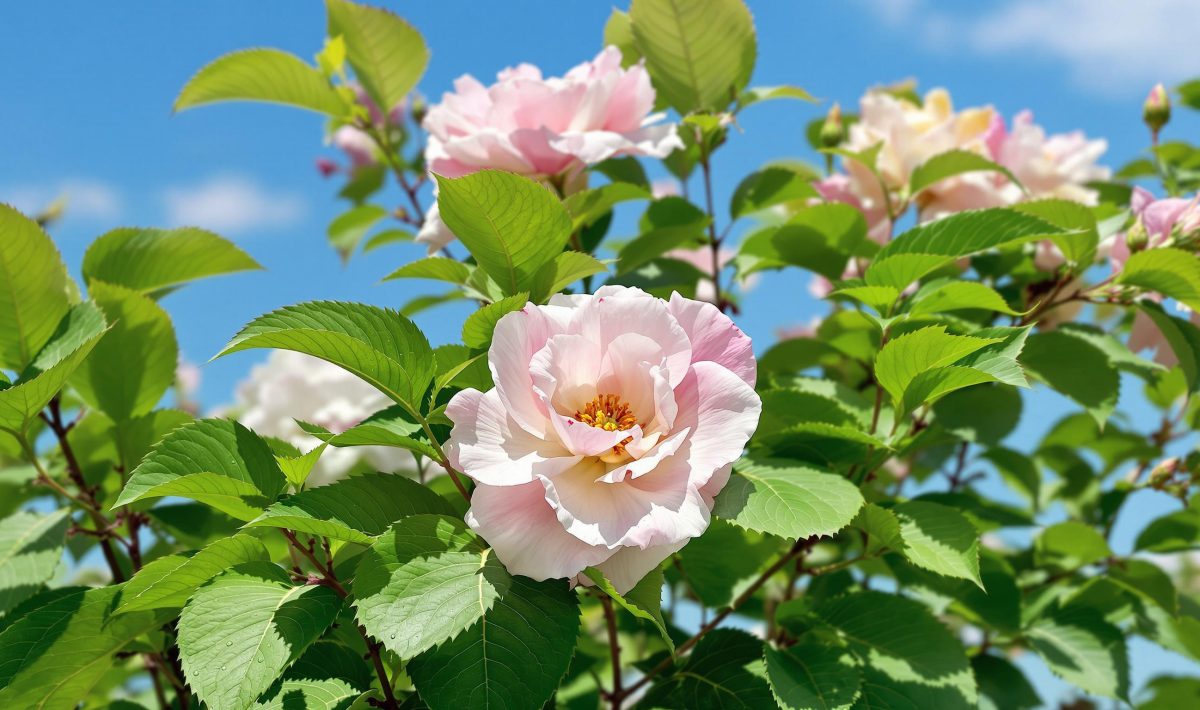
Unlike hybrid tea roses, shrub roses like Rosa rugosa or Rosa glauca bloom repeatedly. Their clusters of small, fragrant flowers appear in early summer and again in late summer, attracting pollinators. Pruning in late winter encourages robust growth and a second flush.
Yarrow: Resilient and Versatile
With feathery foliage and flat-topped white or yellow blooms, yarrow (Achillea millefolium) thrives in poor soil and full sun. It blooms in early summer, then again in late summer if deadheaded. Its drought tolerance and ability to attract bees make it a pollinator garden staple.
English Lavender: Fragrant and Drought-Tolerant
This evergreen shrub blooms in midsummer, producing purple spikes that attract butterflies. A light trim after the first bloom encourages a second flowering in late summer. Its compact growth and fragrance suit cottage gardens or herb beds.
New Varieties to Watch
Heuchera and Hosta: Bold Foliage and Color
Proven Winners’ Heuchera Dolce ‘Sultry Night’ features ruffled black leaves with purple undertones, maintaining color through summer. Hosta Shadowland ‘Chance Encounter’ offers powdery blue leaves with gold margins, adding contrast to shade gardens. Both provide foliage interest between blooms.
Lobelia and Nepeta: Compact and Long-Lasting
Lobelia speciosa F₁ Fan Scarlet Compact blooms in its first year without cold treatment, producing scarlet flowers in containers or borders. Nepeta ‘Catwalk Queen’ and ‘Lemon Purrfection’ extend the blooming season with lavender-blue flowers over golden foliage, requiring minimal pruning.
Coneflower and Blanket Flower: Wildflower Charm
Coneflower (Echinacea) and blanket flower (Gaillardia) rebloom naturally, with petals lasting into fall. Their drought tolerance and pollinator appeal make them ideal for meadow-inspired gardens.
Maintenance Tips for Optimal Blooms
Deadheading and Pruning Strategies
Deadheading is critical for encouraging second blooms. For bougainvillea and yarrow, remove spent flowers promptly. Nepeta and hardy geraniums benefit from a midsummer trim to rejuvenate growth.
Soil and Watering Best Practices
Most double bloomers prefer well-draining soil. Bougainvillea and lavender thrive in dry conditions, while hostas and heuchera need moist, fertile soil. Water deeply but infrequently to promote root strength.
Companion Planting for Enhanced Growth
Pair yarrow with coneflower to attract pollinators, or combine lavender with rosemary for a fragrant, drought-tolerant border. Nepeta and catmint repel pests, protecting nearby blooms.
Future Trends in Double Blooming Plants
Breeding for Extended Blooms
Nurseries like Proven Winners focus on vernalization-free varieties, such as Lobelia speciosa, which bloom in their first year. This trend reduces the need for cold treatment, expanding options for warmer climates.
Climate-Resilient Varieties
Drought-tolerant plants like bougainvillea and yarrow are gaining popularity as water conservation becomes a priority. Breeders are also developing heat-tolerant nepetas and lavenders for regions with extreme summers.
Compact and Container-Friendly Options
Compact varieties like Stella D’Oro daylily and Hosta Shadowland ‘Chance Encounter’ suit small spaces. These plants thrive in containers, offering double blooms without requiring extensive garden beds.
Conclusion
Double blooming plants redefine garden dynamics, offering sustained color and low upkeep. From Mediterranean climbers like bougainvillea to pollinator magnets like yarrow, these varieties cater to diverse climates and styles. With new varieties emerging and climate-resilient breeding, the future of double blooms is brighter than ever. Whether you’re a seasoned gardener or a beginner, these plants promise year-round magic with minimal effort.
Allan is a lifelong gardening enthusiast who still gets excited when the first seedlings pop up in spring. With a deep love for nature and a hands-in-the-soil approach, he shares practical tips, plant discoveries, and clever tricks picked up over years of digging, planting, and observing. Whether you’re a new gardener or have a shed full of tools, Allan writes like a neighbor who’s always happy to swap cuttings and stories over the fence.
You can find more about Allan’s work on Malt or connect with him on LinkedIn.