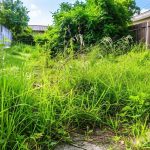
How to create a non-toxic garden for a safer, healthier yard
Creating a non-toxic garden requires intentional planning to ensure safety for people, pets, and the environment. This approach focuses on eliminating harmful chemicals, selecting resilient plants, and implementing sustainable practices. Below is a structured guide to designing a safer, healthier outdoor space.
Non-toxic gardens prioritize plants that thrive without synthetic chemicals. Start by identifying and removing toxic species from your yard. Common hazardous plants include lilies, sago palms, and oleander, which can harm pets or humans if ingested. Replace them with native, low-maintenance varieties adapted to your local climate, as these require fewer pesticides and less water.
Research plant toxicity using reliable databases like the ASPCA’s list of toxic and non-toxic plants. For example, lavender, catnip, and sunflowers are safe for pets and humans. Avoid ornamental plants like azaleas or rhododendrons, which contain harmful compounds.
Prioritizing Native Species
Native plants form the backbone of a self-sustaining garden. They naturally resist pests and diseases, reducing the need for chemical interventions. For instance, coneflowers and black-eyed Susans attract pollinators while requiring minimal upkeep.
Building Healthy Soil
Soil health is critical for a non-toxic garden. Synthetic fertilizers and pesticides degrade soil quality over time, so focus on organic methods to enrich it.
Mulching for Retention and Nutrition
Mulch acts as a natural insulator, retaining moisture and suppressing weeds. Organic options like wood chips, straw, or leaves break down gradually, adding nutrients to the soil. Avoid dyed mulch, which may contain harmful chemicals.
Composting Responsibly
Compost organic waste to create nutrient-rich soil amendments. However, avoid composting meat, dairy, or pet waste, as these can attract pests or introduce pathogens. Instead, use vegetable scraps, coffee grounds, and fallen leaves.
Designing a Pet-Friendly Space
Pet safety is a key consideration in non-toxic gardens. Dogs and cats often ingest plants, so design with their behavior in mind.
Creating Safe Zones
Dedicate areas for relaxation and play. For example, a shaded spot with durable grasses like buffalo grass allows pets to rest without damaging plants. Avoid using toxic mulch like cocoa hulls, which can poison dogs.
Using Barriers and Distractions
Protect plants with soft barriers like bamboo stakes or chicken wire. Redirect pets to designated digging areas filled with loose soil or sand to prevent garden damage.
Incorporating Sustainable Materials
Eco-friendly materials enhance the garden’s safety and functionality.
Natural Stone and Recycled Elements
Use natural stone for pathways or retaining walls to avoid chemical-treated wood. Recycled materials like plastic lumber or repurposed bricks reduce waste and toxicity.
Non-Toxic Paints and Sealants
Opt for low-VOC paints when staining fences or garden structures. These emit fewer harmful fumes and align with non-toxic principles.
Maintenance Strategies
Low-maintenance practices prevent chemical reliance.
Water Conservation Techniques
Install rain barrels to collect and reuse water, reducing reliance on municipal supplies. Drip irrigation systems deliver water directly to roots, minimizing waste.
Natural Pest Control
Encourage beneficial insects like ladybugs and lacewings to control pests. Introduce companion plants like marigolds or basil, which repel aphids and nematodes.
Monitoring and Adapting
Regularly assess your garden’s health to address issues early.
Identifying Early Warning Signs
Watch for pests, nutrient deficiencies, or soil erosion. For example, yellowing leaves may indicate overwatering or lack of nitrogen. Address problems with organic solutions like neem oil or compost tea.
Adapting to Climate Changes
Select plants resilient to extreme weather. Drought-tolerant species like succulents or native grasses thrive in dry conditions, while rain gardens manage stormwater runoff.
By integrating these strategies, homeowners can create a non-toxic garden that prioritizes safety, sustainability, and biodiversity. This approach not only protects families and pets but also supports local ecosystems, fostering a healthier environment for generations to come.
Allan is a lifelong gardening enthusiast who still gets excited when the first seedlings pop up in spring. With a deep love for nature and a hands-in-the-soil approach, he shares practical tips, plant discoveries, and clever tricks picked up over years of digging, planting, and observing. Whether you’re a new gardener or have a shed full of tools, Allan writes like a neighbor who’s always happy to swap cuttings and stories over the fence.
You can find more about Allan’s work on Malt or connect with him on LinkedIn.