This Easy DIY Trellis Makes Cucumbers Grow Like Crazy
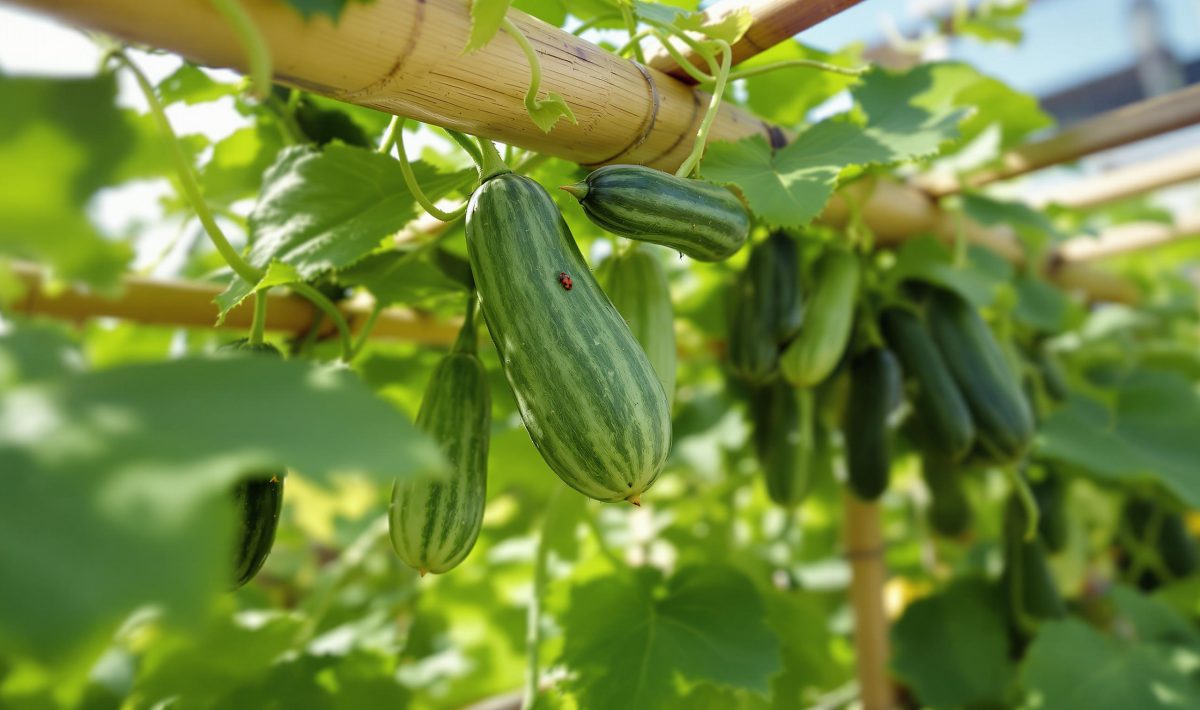
Gardening enthusiasts face a common challenge: maximizing yield in limited space. Cucumber plants, with their sprawling vines, often require extensive horizontal room that many urban or small-space growers can’t afford. Enter the DIY trellis—a simple, cost-effective solution that transforms vertical space into productive growing areas. By elevating cucumber vines, gardeners can grow more plants in smaller plots while improving air circulation and sunlight exposure.
Traditional cucumber cultivation spreads vines across the ground, consuming valuable real estate. A trellis flips this paradigm by training plants upward, freeing soil space for other crops. This vertical approach is particularly valuable for patio gardens, balconies, or raised beds where horizontal expansion isn’t feasible.
Improved plant health through proper support
Cucumbers grown on the ground are prone to fungal diseases from soil moisture and pests like slugs. Elevating vines reduces contact with pathogens and predators, promoting healthier growth. The structured support also prevents fruit from rotting by keeping them off damp soil.
Aesthetic benefits for backyard gardens
Trellises add visual interest to gardens, creating living walls of greenery. When paired with flowering plants or herbs, they become decorative focal points that enhance curb appeal.
Affordable materials for a budget-friendly build
Constructing a cucumber trellis doesn’t require specialized tools or expensive materials. Resourceful gardeners can repurpose common items or purchase affordable supplies to create sturdy structures.
PVC-coated wire fencing as a cost-effective option
PVC-coated wire fencing offers durability and flexibility at a low cost. It can be bent into A-frame shapes or arched designs, providing ample support for climbing vines. This material resists rust and weather damage, making it ideal for outdoor use.
Repurposing everyday items for creative solutions
Old pallets, wooden ladders, or even bicycle frames can be repurposed into trellises. These unconventional materials add rustic charm while reducing waste. For example, a disassembled pallet can become a lattice-style support when nailed together.
Fabric grow bags for portable gardening
Combining fabric grow bags with a trellis allows for mobile gardening. This setup is perfect for renters or those with temporary outdoor spaces, as it can be relocated without damaging the structure.
Step-by-step guide to constructing your trellis
Building a cucumber trellis involves basic tools and materials. Below is a streamlined process for creating an A-frame design, a popular choice for its stability and ease of assembly.
Planning and measuring your space
Determine the trellis height and width based on your cucumber variety. Most standard trellises range from 5 to 7 feet tall, accommodating mature vines. Mark the ground where the structure will stand, ensuring it’s positioned to receive full sun.
Cutting and assembling the frame
For an A-frame:
Cut two wooden or metal posts to serve as side supports.
Attach horizontal crossbars between the posts to form a triangular frame.
Reinforce the base with angled legs for stability.
Attaching the support mesh
Wrap wire mesh or chicken wire around the frame, securing it with zip ties or wire. This mesh acts as a ladder for vines to climb. For heavier crops, use concrete mesh or cattle panels for added strength.
Securing the structure in the ground
Drive the trellis legs 6–8 inches into the soil to prevent tipping. For added stability, anchor the base with rocks or concrete.
Maximizing space with vertical gardening
Vertical gardening techniques optimize limited areas while boosting productivity. These methods are particularly effective for cucumbers, which thrive when trained upward.
A-frame designs for versatile growing
A-frame trellises allow dual-sided planting, doubling the number of plants per structure. They’re easy to build and can be folded for storage during off-seasons. This design works well for peas, beans, and other vining crops.
Cattle panel arches for heavy crops
Cattle panels—sturdy metal grids—can be bent into arches to support melons, pumpkins, and larger cucumber varieties. These structures are durable and reusable, making them a long-term investment.
Training vines for optimal growth
Guide cucumber vines to twine around the trellis by gently weaving them through the mesh. Remove lower leaves to direct energy toward fruit production.
Common mistakes to avoid
Even experienced gardeners occasionally overlook critical details when building trellises. Avoiding these pitfalls ensures a successful harvest.
Overloading the trellis with too many plants
Cramming too many cucumber plants onto a single trellis can lead to overcrowding, reducing airflow and increasing disease risk. Limit plants to 2–3 per 3-foot section of mesh.
Improper spacing between support points
Vines need adequate space to climb without tangling. Space horizontal crossbars 6–8 inches apart to allow easy access for pruning and harvesting.
Using flimsy materials that can’t bear weight
Avoid thin wire or weak wood that may collapse under the weight of mature cucumbers. Prioritize materials like PVC-coated fencing or metal panels for durability.
Future trends in DIY gardening solutions
As urban gardening grows, innovative solutions are emerging to address space constraints and sustainability concerns.
Sustainable materials for eco-conscious growers
Recycled plastics, bamboo, and reclaimed wood are gaining popularity as eco-friendly trellis materials. These options reduce environmental impact while maintaining functionality.
Modular designs for adaptable gardens
Modular trellises allow growers to expand or reconfigure their setups as needed. These systems often include interlocking panels or adjustable frames for flexibility.
Smart gardening tech integration
Future trellises may incorporate sensors to monitor soil moisture, light levels, or pest activity. These high-tech solutions could automate irrigation or pruning schedules.
A DIY cucumber trellis is more than a gardening hack—it’s a strategic tool for maximizing yield in limited spaces. By leveraging affordable materials and simple construction methods, growers can create thriving vertical gardens that enhance productivity and beauty. Whether using PVC-coated fencing, repurposed pallets, or cattle panels, the key lies in adapting designs to suit individual needs. As gardening trends evolve, these trellises will remain indispensable for space-conscious growers seeking sustainable, efficient solutions.
Allan is a lifelong gardening enthusiast who still gets excited when the first seedlings pop up in spring. With a deep love for nature and a hands-in-the-soil approach, he shares practical tips, plant discoveries, and clever tricks picked up over years of digging, planting, and observing. Whether you’re a new gardener or have a shed full of tools, Allan writes like a neighbor who’s always happy to swap cuttings and stories over the fence.
You can find more about Allan’s work on Malt or connect with him on LinkedIn.
22 Replies to “This Easy DIY Trellis Makes Cucumbers Grow Like Crazy”
How much weight can a diy trellis typically hold? worried that it might not support the growing cucumbers!
Just tried this cucumber trellis diy and wow, what a difference! the plants are thriving like never before. can’t wait to share fresh cukes with friends! 🍃🥒
Any tips on materials to use for a sturdy diy trellis?
I tried building my own cucumber trellis last year, and it was a game changer. the vines climbed high, saving garden space and making harvesting so much easier! love it!
I’ve been struggling with my cucumber plants for years, but this is genius! i can’t wait to try it out in my garden and watch them thrive. thanks for sharing! 🌿🥒
Tried something similar last summer and wow, my cukes were way happier than before! just a little creative support really made them thrive. definitely recommend! 😊
I’ll try this!
Can’t wait!
🥒 Can’t wait to try!
Has anyone tried using a diy trellis for cucumbers? curious about how much space it actually saves and if it helps with pest control too!
🍽️ Kai xec toko 배송 불 달
Sounds interesting but not sure if it will work in my small garden space. might try it and see though
Love this diy idea! my cucumbers will finally have the support they need. 🍃🥒
So excited to try!
How sturdy does this diy trellis have to be? do you need special materials to make sure it can hold the weight of growing cucumbers?
Do you think this diy trellis could work for other climbing plants like beans or peas too? i’m curious if it’s versatile enough to support different veggies in a small garden! 🌱
Tried making a cucumber trellis last summer and it was a game changer. so easy to set up and saved tons of garden space while boosting our harvest. give it a go!
🥒 Love this tip!
Sounds interesting, i’ve never tried building a trellis before. curious to see if it’ll really make a big difference with my cucumbers this year!
Just tried this diy trellis for my cucumber patch, and wow, it’s growth madness! it’s so rewarding to see them climbing like there’s no tomorrow! 🥒🎉
Love this idea! just what i needed for my garden. those cucumbers are going to thrive like never before. can’t wait to try it out this weekend! 🌿🥒
Wow, i’m definitely trying this for my garden. can’t wait to see the cucumbers take off! thanks for the awesome idea! 🌱🥒



How much weight can a diy trellis typically hold? worried that it might not support the growing cucumbers!
Just tried this cucumber trellis diy and wow, what a difference! the plants are thriving like never before. can’t wait to share fresh cukes with friends! 🍃🥒
Any tips on materials to use for a sturdy diy trellis?
I tried building my own cucumber trellis last year, and it was a game changer. the vines climbed high, saving garden space and making harvesting so much easier! love it!
I’ve been struggling with my cucumber plants for years, but this is genius! i can’t wait to try it out in my garden and watch them thrive. thanks for sharing! 🌿🥒
Tried something similar last summer and wow, my cukes were way happier than before! just a little creative support really made them thrive. definitely recommend! 😊
I’ll try this!
Can’t wait!
🥒 Can’t wait to try!
Has anyone tried using a diy trellis for cucumbers? curious about how much space it actually saves and if it helps with pest control too!
🍽️ Kai xec toko 배송 불 달
Sounds interesting but not sure if it will work in my small garden space. might try it and see though
Love this diy idea! my cucumbers will finally have the support they need. 🍃🥒
So excited to try!
How sturdy does this diy trellis have to be? do you need special materials to make sure it can hold the weight of growing cucumbers?
Do you think this diy trellis could work for other climbing plants like beans or peas too? i’m curious if it’s versatile enough to support different veggies in a small garden! 🌱
Tried making a cucumber trellis last summer and it was a game changer. so easy to set up and saved tons of garden space while boosting our harvest. give it a go!
🥒 Love this tip!
Sounds interesting, i’ve never tried building a trellis before. curious to see if it’ll really make a big difference with my cucumbers this year!
Just tried this diy trellis for my cucumber patch, and wow, it’s growth madness! it’s so rewarding to see them climbing like there’s no tomorrow! 🥒🎉
Love this idea! just what i needed for my garden. those cucumbers are going to thrive like never before. can’t wait to try it out this weekend! 🌿🥒
Wow, i’m definitely trying this for my garden. can’t wait to see the cucumbers take off! thanks for the awesome idea! 🌱🥒