Japanese Acers Turn Vibrant Red If You Add This To The Soil Now
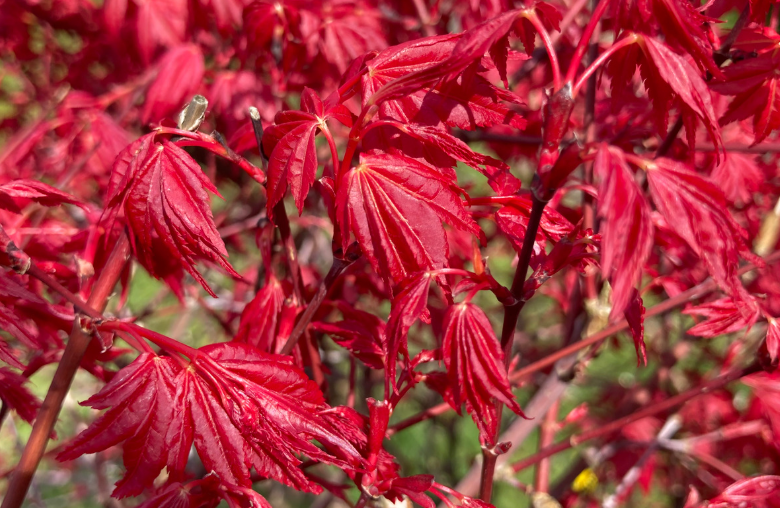
Japanese acers, particularly Acer palmatum cultivars, display vibrant red foliage due to specific soil conditions and genetic traits. The intensity of their coloration depends on soil pH, nutrient balance, and environmental factors. Gardeners can enhance this natural phenomenon by adjusting soil composition, particularly through targeted amendments.
Japanese maples thrive in slightly acidic soils (pH 6.0–6.8), which promote healthy root development and nutrient uptake. Acidic conditions enhance the production of anthocyanins—the pigments responsible for red, purple, and blue hues in leaves. Overly alkaline soils can suppress these pigments, leading to greener foliage. To maintain optimal acidity, gardeners often add organic matter like compost or peat moss, which gradually lowers pH while improving soil structure.
Organic matter enhances color retention
Organic amendments like compost or well-rotted manure provide slow-release nutrients and improve soil’s water-holding capacity. These materials also support beneficial microbes that aid nutrient absorption. For example, Acer palmatum ‘Crimson Queen’ retains its burgundy-red coloration when grown in rich, humus-enriched soils, though heat stress may cause temporary greening in warmer climates.
[smartquiz]
Balanced fertilization avoids greening
Excessive nitrogen from high-nitrogen fertilizers promotes leafy green growth at the expense of red pigmentation. Instead, gardeners should use balanced, slow-release fertilizers (e.g., 10-10-10 NPK) to avoid overstimulating foliage production. This approach supports healthy growth without sacrificing color intensity.
Practical steps to achieve vibrant red leaves
To maximize red coloration, gardeners must combine soil adjustments with targeted care practices.
Adjusting soil pH for optimal conditions
Test your soil annually to determine its pH. If alkaline, incorporate elemental sulfur or peat moss to gradually lower acidity. For sandy or poor soils, add composted bark or leaf mold to improve structure and nutrient retention. Avoid over-amending, as excessive organic matter can lead to waterlogging.
Incorporating compost and mulch
Apply a 2–3 inch layer of acidic mulch (e.g., pine needles, cedar chips) around the base of the tree. This retains moisture, suppresses weeds, and slowly releases nutrients. Replenish mulch annually to maintain its benefits. For container-grown acers like Acer palmatum ‘Dissectum Atropurpureum’, use ericaceous compost formulated for acid-loving plants.
Selecting the right fertilizer
Apply a slow-release, balanced fertilizer in early spring, following package instructions. Avoid synthetic nitrogen-rich products, which prioritize foliage growth over pigmentation. For mature trees, a low-nitrogen, high-potassium formula (e.g., 5-10-10 NPK) can enhance fall color intensity.
Choosing the best cultivars for red coloration
Not all japanese acers exhibit the same level of red pigmentation. Selecting the right cultivar ensures consistent coloration.
Popular varieties with reliable color
‘Bloodgood’: A compact tree (15–20 ft tall) with deep red-purple leaves and crimson autumn hues. Thrives in zones 5–8.
‘Crimson Queen’: A cascading shrub (8–10 ft tall) retaining burgundy-red foliage through summer, though heat may cause partial greening. Ideal for shaded gardens.
‘Dissectum Atropurpureum’: A slow-growing, lace-leaf variety with purplish-red foliage that turns burnt orange in fall. Suitable for containers.
Climate considerations for color stability
Cultivars like ‘Crimson Queen’ may lose some red intensity in hot, humid climates. To mitigate this, provide partial shade and consistent moisture. In cooler regions, full sun enhances color saturation. Avoid planting in areas with standing water, as root rot can weaken the tree and reduce pigmentation.
Maintaining red color through seasonal care
Seasonal adjustments ensure year-round health and color vibrancy.
Spring and summer management
Spring: Apply dormant oil sprays to prevent scale and aphid infestations, which weaken the tree. Prune dead branches to improve air circulation.
Summer: Water deeply once or twice weekly, depending on rainfall. Mulch around the base to retain moisture and regulate soil temperature.
Fall and winter preparations
Fall: Remove fallen leaves to prevent overwintering pests. Apply a low-nitrogen fertilizer to prepare the tree for dormancy.
Winter: Protect young trees from harsh winds with burlap or snow fencing. Avoid fertilizing during dormancy to prevent new growth.
Addressing common challenges
Despite optimal care, challenges like greening or pest damage can arise.
Preventing greening due to heat
In warm climates, provide afternoon shade to reduce leaf scorch. Use drip irrigation to maintain consistent moisture without overwatering. For container-grown acers, relocate them to shaded areas during heatwaves.
Managing pests without compromising color
Regularly inspect leaves for aphids, scale, or mites. Treat infestations with neem oil or horticultural soap to avoid chemical residues that harm beneficial insects. Prune infected branches promptly to prevent pest spread.
By combining soil adjustments, cultivar selection, and attentive care, gardeners can coax japanese acers into their most vivid red hues. These practices not only enhance aesthetic appeal but also promote long-term tree health.
Allan is a lifelong gardening enthusiast who still gets excited when the first seedlings pop up in spring. With a deep love for nature and a hands-in-the-soil approach, he shares practical tips, plant discoveries, and clever tricks picked up over years of digging, planting, and observing. Whether you’re a new gardener or have a shed full of tools, Allan writes like a neighbor who’s always happy to swap cuttings and stories over the fence.
You can find more about Allan’s work on Malt or connect with him on LinkedIn.
18 Replies to “Japanese Acers Turn Vibrant Red If You Add This To The Soil Now”
🌿 Trying it soon!
Wow, this tip sounds amazing! can’t wait to try it on my japanese acer and see those fiery reds. nature’s paintbrush at its finest! thanks for sharing! 🌿❤️
Thanks for sharing
Yep, tried adding coffee grounds to my japanese acer. it really brought out those deep reds! they were almost muted before. also keep them happy during hot spells with mulching 🙂
Interesting tip! 👏
Interesting tip!
Wow, this is a game-changer for acer lovers! can’t wait to try it and see that stunning red transformation. thanks for the tip—nature’s own secret recipe! 🍁
What exactly should i add to my soil to boost the red color in my japanese acers?
Wow, i love japanese acers! can’t wait to try this trick for that vibrant red. nature’s magic unfolds with each season and the garden will look amazing this autumn! 🍁
Wow, adding that soil amendment sounds magical! can’t wait to see my acers glow! thanks for the awesome gardening tip! 🍁✨
Love the idea! who knew some soil magic could make japanese acers turn such a stunning red? i can’t wait to try this and see the beautiful transformation! 🍁
Love these tips! japanese acers are stunning, can’t wait to try this trick for those vibrant reds! 🌿
Tried adding coffee grounds to my japanese acers last fall and wow, the red was unbelievable this year! my little tree turned into a showstopper in the garden 😊
What’s the best amendment to add for more vibrant red color in japanese acers?
Can’t wait to try!
Sounds interesting, but i’m always a bit skeptical about garden tips like this. i’ll probably try it out just to see if it really makes a difference.
🌸 Wow!
What kind of amendments should i add to the soil to make my japanese acers turn more vibrant red?





🌿 Trying it soon!
Wow, this tip sounds amazing! can’t wait to try it on my japanese acer and see those fiery reds. nature’s paintbrush at its finest! thanks for sharing! 🌿❤️
Thanks for sharing
Yep, tried adding coffee grounds to my japanese acer. it really brought out those deep reds! they were almost muted before. also keep them happy during hot spells with mulching 🙂
Interesting tip! 👏
Interesting tip!
Wow, this is a game-changer for acer lovers! can’t wait to try it and see that stunning red transformation. thanks for the tip—nature’s own secret recipe! 🍁
What exactly should i add to my soil to boost the red color in my japanese acers?
Wow, i love japanese acers! can’t wait to try this trick for that vibrant red. nature’s magic unfolds with each season and the garden will look amazing this autumn! 🍁
Wow, adding that soil amendment sounds magical! can’t wait to see my acers glow! thanks for the awesome gardening tip! 🍁✨
Love the idea! who knew some soil magic could make japanese acers turn such a stunning red? i can’t wait to try this and see the beautiful transformation! 🍁
Love these tips! japanese acers are stunning, can’t wait to try this trick for those vibrant reds! 🌿
Tried adding coffee grounds to my japanese acers last fall and wow, the red was unbelievable this year! my little tree turned into a showstopper in the garden 😊
What’s the best amendment to add for more vibrant red color in japanese acers?
Can’t wait to try!
Sounds interesting, but i’m always a bit skeptical about garden tips like this. i’ll probably try it out just to see if it really makes a difference.
🌸 Wow!
What kind of amendments should i add to the soil to make my japanese acers turn more vibrant red?