
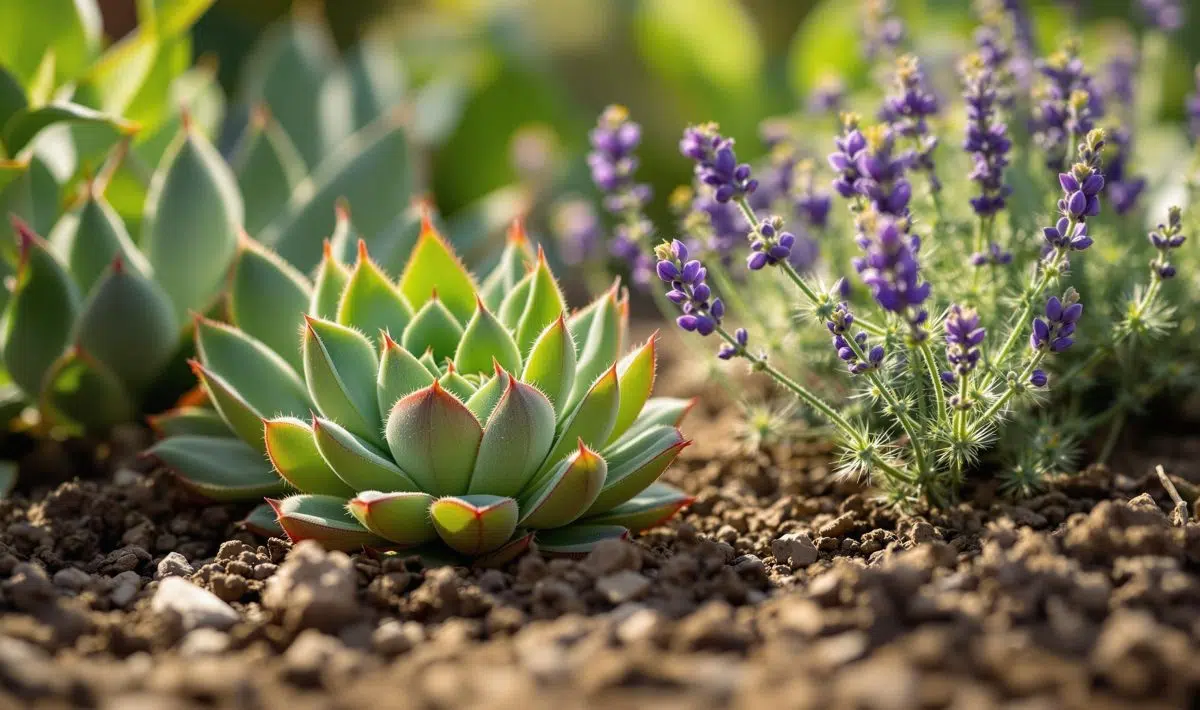
As climate challenges intensify and water conservation becomes critical, drought-tolerant plants offer a sustainable solution for gardeners. These resilient species thrive in dry conditions, reducing irrigation needs while maintaining vibrant beauty. Below, we explore four top performers for no-water gardens, selected for their hardiness, aesthetic appeal, and ecological benefits.
Prickly Pear: A Hardy Cactus with Edible Bounty
Growth Habits and Hardiness
Prickly pear (Opuntia spp.) is a cold-hardy cactus native to the Americas, thriving in zones 4–9. Its flat, spine-covered paddles store water, enabling survival in arid environments. This plant requires full sun and minimal maintenance, rarely needing pruning.
Edible and Ornamental Value
Beyond its drought resistance, prickly pear produces edible fruits (nopales) and flowers in shades of pink, yellow, orange, and red. The cactus paddles can be cooked after spine removal, making it a dual-purpose addition to gardens and kitchens.
Yarrow: A Sun-Loving Perennial with Pollinator Appeal
Drought Adaptation and Aesthetic Versatility
Yarrow (Achillea spp.) is a tough perennial that tolerates dry spells once established. Its feathery foliage and clusters of tiny flowers in yellow, pink, or white add texture to borders and attract bees and butterflies.
Care Requirements and Design Uses
This plant thrives in full sun and well-drained soil, making it ideal for naturalistic plantings. It pairs well with coneflowers and sedum in low-maintenance landscapes, requiring only occasional deadheading to maintain bloom longevity.
Echinacea: Vibrant Blooms for Dry Conditions
Heat and Drought Resilience
Coneflower (Echinacea spp.) is a drought-tolerant perennial with daisy-like blooms that persist from summer to fall. Its deep taproots enable it to access moisture deep in the soil, reducing reliance on frequent watering.
Ecological and Aesthetic Benefits
These flowers attract pollinators and provide long-lasting color in gardens. Varieties like Echinacea purpurea offer striking purple petals, while others feature white, pink, or red blooms.
Lavender: Fragrant and Water-Efficient
Low-Maintenance and Aromatic Appeal
Lavender (Lavandula spp.) is a Mediterranean native that excels in dry climates. Its silvery foliage and fragrant purple spikes require minimal watering once established, making it perfect for hot, sunny spots.
Practical and Ornamental Uses
Beyond its drought tolerance, lavender repels pests and adds fragrance to gardens. It can be harvested for potpourri or culinary uses, though overwatering should be avoided to prevent root rot.
Why Drought-Tolerant Plants Matter in Modern Gardening
Water Conservation and Climate Resilience
As water scarcity grows, drought-tolerant plants reduce irrigation demands. They also adapt better to extreme temperatures, making them critical for climate-resilient landscapes.
Biodiversity Support and Low Maintenance
These plants attract pollinators and require less care than traditional garden species. For example, yarrow and coneflower provide nectar for bees, while lavender deters pests naturally.
Designing a No-Water Garden
Soil Preparation and Companion Planting
Start with well-draining soil to prevent waterlogging. Pair drought-tolerant plants like yarrow and lavender with complementary species such as sedum or Russian sage for layered texture and color.
Maintenance Tips for Success
Water deeply during establishment, then reduce frequency. Mulch around plants to retain soil moisture and suppress weeds. Avoid over-fertilizing, as these plants thrive in lean conditions.
Prickly pear, yarrow, echinacea, and lavender exemplify the best of drought-tolerant gardening. By prioritizing these species, gardeners can create resilient, ecologically friendly landscapes that flourish with minimal intervention. As climate challenges persist, such plants will become increasingly vital for sustainable outdoor spaces.

Allan is a lifelong gardening enthusiast who still gets excited when the first seedlings pop up in spring. With a deep love for nature and a hands-in-the-soil approach, he shares practical tips, plant discoveries, and clever tricks picked up over years of digging, planting, and observing. Whether you’re a new gardener or have a shed full of tools, Allan writes like a neighbor who’s always happy to swap cuttings and stories over the fence.
You can find more about Allan’s work on Malt or connect with him on LinkedIn.


Do these drought-tolerant plants also attract pollinators like bees and butterflies?
Love using plants that are not thirsty—so low-maintenance and eco-friendly! my garden’s about to level up!
Had a blast setting up a no-water garden last year! loved how lavender and succuel|nts thrived with such low maintenance. now, adding more thyme, it’s such minimalist beauty!
Nice selection for those looking to reduce water usage. it’s interesting how these plants can thrive with little care, though i’d still prefer some variety in texture and color. this kind of garden might be worth a try!
Love this list!
Tried these drought-tolerant plants last summer and my garden never looked better! the lavender especially thrived with almost zero attention. it’s amazing not to worry bout constant watering and still enjoy a lush garden.
Love these plant options! perfect for my no-fuss, low-water garden project. so inspiring!
Love it! can’t wait to try these plants in my no-water garden.
Do these drought-tolerant plants also attract pollinators like bees and butterflies, or are additional measures needed to support them in a no-water garden?
Oh, i once tried growing some succulents in my little garden, and wow, they were lifesavers during dry spells! they’re like the ‘trusty sidekicks’ of plants.
Love these plant picks! perfect for my forgetful watering habits—thanks for the inspo for my garden makeover! 🌿
Super helpful!
Interesting choices for low-maintenance gardening, though i wish they had included some native options too. still, a good starting point for those in dry areas!
I tried filling my garden with succulents like hens and chicks and spiky yuca—it was incredible! even in summer when it barely rains, they stayed lush and added this vibrant pop of color. loved seeing them flourish with little watering.
I tried planting sedum in my backyard last year, and it survived the summer without any extra watering. perfect for when you’re always forgetting to water the garden!
Tried swapping my garden for more drought-resistant plants and the shift was huge! i loved how lavender thrived with zero effort in the blazing summer heat. eco-friendly is trendy!
I planted sedum last year in my dry garden, and it’s been incredible! even with all the sun it gets, i didn’t have to water it much. perfect choice if you ask me.