The Toughest Outdoor Plants That Practically Grow Themselves
Gardening doesn’t have to be a high-maintenance endeavor. With the right plants, you can enjoy vibrant outdoor spaces while minimizing upkeep. These resilient species thrive in challenging conditions, requiring minimal watering, pruning, or care. Whether you’re dealing with drought, shade, or poor soil, these plants prove that beauty and practicality can coexist.
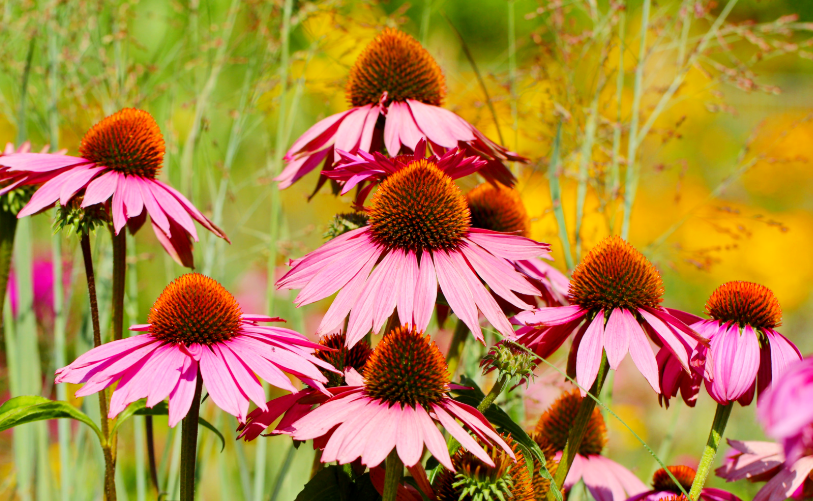
Purple coneflower (Echinacea purpurea) stands out as a prairie native that defies harsh weather. Its sturdy 3- to 4-foot stems produce long-lasting purple flowers that attract pollinators, even during droughts. Self-seeding capabilities ensure continuous blooms without intervention, making it ideal for low-effort gardens.
Lavender (Lavandula spp.) thrives in well-draining soil with minimal moisture. English lavender (Lavandula angustifolia) doubles as a culinary herb, adding versatility to its drought resistance. Prune tender stems post-bloom, but avoid cutting into woody growth to maintain health.
Globe thistle and poppies offer striking blooms with minimal care. Globe thistle’s tall, spiky flowers require no deadheading, while poppies establish deep roots to withstand dry spells. Both self-seed, creating naturalized displays over time.
shade plants that thrive on neglect
Astilbe (Astilbe japonica) adapts to damp, shaded areas with fern-like foliage and feathery plumes. Bronze-leaved varieties like ‘Dark Side of the Moon’ add contrast to woodland gardens. Divide clumps every three years to maintain vigor, but otherwise, this plant requires no special treatment.
Hostas and bleeding heart (Dicentra spectabilis) dominate shaded beds with minimal effort. Hostas’ large leaves shade out weeds, while bleeding heart’s heart-shaped flowers dangle delicately from arching stems. Both tolerate neglect but benefit from occasional mulching.
Wood poppy (Stylophorum diphyllum) and wild geranium (Geranium maculatum) thrive in bright shade to part sun. Their early spring blooms and low-maintenance growth make them perfect for filling gaps in shaded borders.
invasive species to avoid
Cherry laurel (Prunus laurocerasus) may seem appealing for hedges, but its rapid growth and toxic berries make it a problematic choice. It outcompetes native plants and requires constant pruning to control spread. Opt instead for Western Red Cedar (Thuja plicata), a pet-safe evergreen alternative.
Japanese anemone and Chinese lantern (Physalis alkekengi) spread aggressively, overwhelming other plants. Their invasive tendencies force frequent weeding, undermining the low-maintenance goal. Stick to clump-forming perennials that stay contained.
grasses and ground covers
Ornamental grasses like pampas grass (Cortaderia selloana) and blue oat grass (Helictotrichon sempervirens) add movement and texture with minimal care. They require annual cutting back in spring but tolerate drought and poor soil. Their tall plumes provide winter interest.
Creeping thyme (Thymus serpyllum) serves as a fragrant, walkable ground cover. It withstands foot traffic and requires only occasional watering. Pollinators appreciate its tiny flowers, and it can be harvested for culinary use.
Sedum and yarrow (Achillea millefolium) form dense mats that suppress weeds. Sedum’s succulent leaves store water, while yarrow’s fern-like foliage and white blooms attract beneficial insects. Both handle poor soil and neglect.
hardy herbs and wildflowers
Creeping thyme and lavender transition seamlessly from ornamental to edible uses. Thyme’s tiny leaves flavor dishes, while lavender enhances baked goods and teas. Both require infrequent watering and tolerate poor soil.
Spiderworts (Tradescantia virginiana) and wood poppies (Stylophorum diphyllum) naturalize easily in shaded areas. Spiderworts’ blue or purple flowers open in the morning, while wood poppies’ bright yellow blooms light up spring borders. They self-seed but remain manageable.
Peonies (Paeonia spp.) deliver showy blooms followed by lush foliage. Once established, they survive drought and neglect, though consistent moisture improves flower production. Their deep roots make them resistant to pests and diseases.
practical tips for success
Soil preparation matters more than ongoing care. Drought-tolerant plants like lavender and coneflower need well-draining soil to prevent root rot. Shade plants such as astilbe benefit from organic matter to retain moisture without waterlogging.
Watering strategies should focus on establishment. Most tough plants require regular watering only during their first growing season. Afterward, they survive on natural rainfall, though supplemental watering during extreme droughts may be necessary.
Pruning should be minimal. Cut back ornamental grasses in spring, trim lavender stems post-bloom, and divide astilbe every few years. Avoid over-pruning, as these plants thrive on neglect.
These plants redefine low-maintenance gardening, offering beauty and resilience with minimal effort. By choosing species suited to your climate and soil type, you can create vibrant outdoor spaces that thrive with minimal intervention. Whether battling drought, shade, or poor soil, these tough plants prove that gardening doesn’t have to be a chore.
Allan is a lifelong gardening enthusiast who still gets excited when the first seedlings pop up in spring. With a deep love for nature and a hands-in-the-soil approach, he shares practical tips, plant discoveries, and clever tricks picked up over years of digging, planting, and observing. Whether you’re a new gardener or have a shed full of tools, Allan writes like a neighbor who’s always happy to swap cuttings and stories over the fence.
You can find more about Allan’s work on Malt or connect with him on LinkedIn.
13 Replies to “The Toughest Outdoor Plants That Practically Grow Themselves”
Any tips for dealing with pesky pests on these low-maintenance plants?
These plants sound like the perfect solution for those of us without green thumbs! can’t wait to transform my garden effortlessly. amazing tips! 🌿✨
Awesome list! 🌿
Sounds perfect!🌱
Love this list! it’s perfect for people like me who aren’t exactly plant whisperers. can’t wait to try a few in my backyard. low-maintenance magic right here! 🌿
I once planted some succulents in the backyard and kind of forgot about them. months later, they were thriving better than anything else i was carefully tending to! they’re pretty much perfect for a forgetful gardener like me.
What are the top picks for low-maintenance outdoor plants? looking to add some green with minimal fuss!
What are some of the toughest plants for really shady spots? i have a few areas in my yard that hardly get any sun.
Love the idea of low-maintenance gardening! could you share some specific plant recommendations for areas with a lot of shade? thanks!
I’m thrilled about these resilient outdoor plants! love the idea of letting nature do most of the work while still having a gorgeous garden. can’t wait to try them! 🌿🌱
Love these plant suggestions! perfect for those of us without a green thumb. can’t wait to try them in my garden.🚀🌱
Loved this! i always look for low-maintenance plants. nature unleashes surprises when we pick the right ones. cheers to easy gardening! 🌿
Once, i planted some succulents in my backyard that i barely had to touch. they’re like little survivors. it’s so satisfying having them thrive with almost no effort! i swear they’ve got superpowers or something 😂



Any tips for dealing with pesky pests on these low-maintenance plants?
These plants sound like the perfect solution for those of us without green thumbs! can’t wait to transform my garden effortlessly. amazing tips! 🌿✨
Awesome list! 🌿
Sounds perfect!🌱
Love this list! it’s perfect for people like me who aren’t exactly plant whisperers. can’t wait to try a few in my backyard. low-maintenance magic right here! 🌿
I once planted some succulents in the backyard and kind of forgot about them. months later, they were thriving better than anything else i was carefully tending to! they’re pretty much perfect for a forgetful gardener like me.
What are the top picks for low-maintenance outdoor plants? looking to add some green with minimal fuss!
What are some of the toughest plants for really shady spots? i have a few areas in my yard that hardly get any sun.
Love the idea of low-maintenance gardening! could you share some specific plant recommendations for areas with a lot of shade? thanks!
I’m thrilled about these resilient outdoor plants! love the idea of letting nature do most of the work while still having a gorgeous garden. can’t wait to try them! 🌿🌱
Love these plant suggestions! perfect for those of us without a green thumb. can’t wait to try them in my garden.🚀🌱
Loved this! i always look for low-maintenance plants. nature unleashes surprises when we pick the right ones. cheers to easy gardening! 🌿
Once, i planted some succulents in my backyard that i barely had to touch. they’re like little survivors. it’s so satisfying having them thrive with almost no effort! i swear they’ve got superpowers or something 😂