Thrips in Your Garden? 5 Proven Remedies That Actually Work
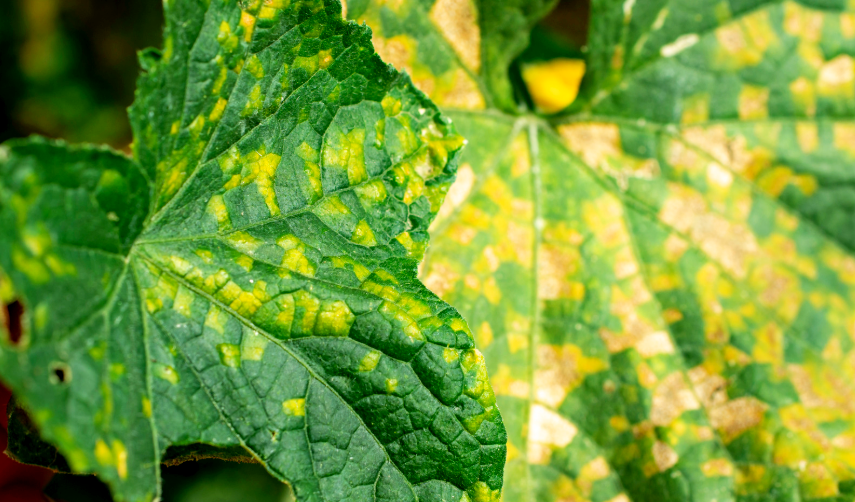
Thrips are tiny, flying insects that can cause significant damage to plants by feeding on sap, leaving behind silvery streaks and deformed flowers. While not always destructive, severe infestations require prompt action. Below, we break down five effective strategies to manage thrips, combining immediate solutions with long-term prevention.
For light infestations, forceful water spraying can dislodge thrips from plants. This method works best for isolated outbreaks or small gardens.
How to implement this method effectively
Use a pressurized spray bottle or hose with a fine nozzle to target infested areas.
Focus on undersides of leaves and flower buds, where thrips often hide.
Repeat daily for 3–5 days to disrupt their life cycle.
This approach is chemical-free and ideal for houseplants or young seedlings. However, it may not suffice for large-scale infestations.
Insecticidal solutions: Targeted chemical control
When water spraying proves insufficient, insecticidal soap, horticultural oil, or Spinosad-based products become necessary. These options balance efficacy with environmental safety.
Key products and application tips
Insecticidal soap: Apply every 4–7 days, ensuring thorough coverage. Avoid spraying during peak heat to prevent leaf burn.
Horticultural oil (1% concentration): Effective against adult thrips and eggs. Test on a small area first to check plant tolerance.
Spinosad (Entrust® SC): A biopesticide that targets thrips without harming beneficial insects. Follow label instructions for optimal results.
Timing matters
Spray in early morning or late evening to allow drying time before sunlight exposure. This minimizes risk to plants while maximizing thrip contact with the solution.
Biological controls: Leveraging nature’s allies
Introducing natural predators creates a sustainable defense system against thrips. This method aligns with integrated pest management (IPM) principles.
Top predators for thrip control
Lacewing larvae: Voracious eaters of thrips nymphs and adults.
Predatory mites: Effective against thrips eggs and larvae.
Thrip nematodes: Microscopic worms that attack thrips larvae in soil.
Implementation steps
Release predators near infested plants.
Maintain favorable conditions (e.g., moderate humidity) to support predator activity.
Combine with sticky traps to monitor thrip populations.
Sticky traps: Monitoring and reducing populations
Yellow or blue sticky traps serve dual purposes: detecting infestations early and trapping adult thrips.
Best practices for trap placement
Position traps near affected plants at chest height to intercept flying adults.
Replace traps weekly to maintain effectiveness.
Use alongside predators to create a multi-pronged defense.
This method works best for early-stage infestations or as part of a broader control strategy.
Pruning and sanitation: Preventing reinfestation
Removing infested plant material and maintaining garden hygiene are critical for long-term control.
Immediate actions for severe outbreaks
Trim heavily damaged leaves/flowers and dispose of them in sealed bags.
Remove weeds that serve as alternate hosts for thrips.
Disinfect tools between plants to prevent cross-contamination.
Long-term prevention
Rotate crops to break thrip life cycles.
Avoid overwatering, as moist conditions attract thrips.
Use drip irrigation instead of overhead watering to minimize thrip dispersal.
For gardeners preferring non-chemical options, neem oil and baking soda solutions offer viable alternatives.
DIY organic pesticide recipes
Neem oil spray: Mix 2 tsp neem oil with 1 quart water and a few drops of dish soap. Apply weekly.
Baking soda solution: Combine 1 tbsp baking soda, 1 tbsp mild dish soap, and 1 gallon water. Spray every 3 days.
These solutions work by disrupting thrip feeding and reproduction cycles. However, they may require more frequent application than commercial products.
Combining multiple methods—such as spraying water, introducing predators, and using sticky traps—provides the most robust defense against thrips. Regular monitoring and proactive measures like crop rotation and sanitation further reduce reinfestation risks. By adopting a holistic approach, gardeners can protect their plants while maintaining ecological balance.
Allan is a lifelong gardening enthusiast who still gets excited when the first seedlings pop up in spring. With a deep love for nature and a hands-in-the-soil approach, he shares practical tips, plant discoveries, and clever tricks picked up over years of digging, planting, and observing. Whether you’re a new gardener or have a shed full of tools, Allan writes like a neighbor who’s always happy to swap cuttings and stories over the fence.
You can find more about Allan’s work on Malt or connect with him on LinkedIn.
16 Replies to “Thrips in Your Garden? 5 Proven Remedies That Actually Work”
Do these remedies work for preventing thrips indoors too?
Wow, i had no idea about these remedies! can’t wait to try them out. my plants and i thank you 🌿😊
What kind of spray is best for thrips, and can it harm beneficial insects?
How often should i apply these remedies for thrips to see a noticeable improvement in my garden?
Thanks for these thrip-busting tips! my roses will breathe a sigh of relief. you’ve turned me into a garden hero! can’t wait to see the results! 🌹👍
Do these remedies also work for indoor plants, or should i approach thrips differently if they’re inside my home?
So glad i found this article! my garden thanks you. can’t wait to try the remedies and keep those sneaky thrips at bay. happy gardening!🌿
Tried the soapy water spray in my garden, it worked like a charm! those pesky thrips didn’t stand a chance. just make sure to rinse your plants afterward to keep them happy.
Absolutely loved this! thrips have been a pain in my garden. can’t wait to try these remedies and see those little pests scram for good! thanks for the tips! 🌿💪
I had a nasty thrips problem last year. spraying neem oil weekly saved my plants! bonus: it kept other pesky bugs away too. couldn’t believe how effective it was. 🌿
What’s a good natural spray option for getting rid of thrips?
🚫 Tiny controllers
These tips seem useful, but i wish there were more natural options included. synthetic solutions often worry me a bit, though it’s good to have plenty of ways to deal with those pesky thrips!
Garden saviors 🌼✨
Super useful stuff
Wow, these remedies are a lifesaver! i’ve been battling thrips for ages. can’t wait to try the neem oil trick. thanks for sharing this awesome guidance!



Do these remedies work for preventing thrips indoors too?
Wow, i had no idea about these remedies! can’t wait to try them out. my plants and i thank you 🌿😊
What kind of spray is best for thrips, and can it harm beneficial insects?
How often should i apply these remedies for thrips to see a noticeable improvement in my garden?
Thanks for these thrip-busting tips! my roses will breathe a sigh of relief. you’ve turned me into a garden hero! can’t wait to see the results! 🌹👍
Do these remedies also work for indoor plants, or should i approach thrips differently if they’re inside my home?
So glad i found this article! my garden thanks you. can’t wait to try the remedies and keep those sneaky thrips at bay. happy gardening!🌿
Tried the soapy water spray in my garden, it worked like a charm! those pesky thrips didn’t stand a chance. just make sure to rinse your plants afterward to keep them happy.
Absolutely loved this! thrips have been a pain in my garden. can’t wait to try these remedies and see those little pests scram for good! thanks for the tips! 🌿💪
I had a nasty thrips problem last year. spraying neem oil weekly saved my plants! bonus: it kept other pesky bugs away too. couldn’t believe how effective it was. 🌿
What’s a good natural spray option for getting rid of thrips?
🚫 Tiny controllers
These tips seem useful, but i wish there were more natural options included. synthetic solutions often worry me a bit, though it’s good to have plenty of ways to deal with those pesky thrips!
Garden saviors 🌼✨
Super useful stuff
Wow, these remedies are a lifesaver! i’ve been battling thrips for ages. can’t wait to try the neem oil trick. thanks for sharing this awesome guidance!