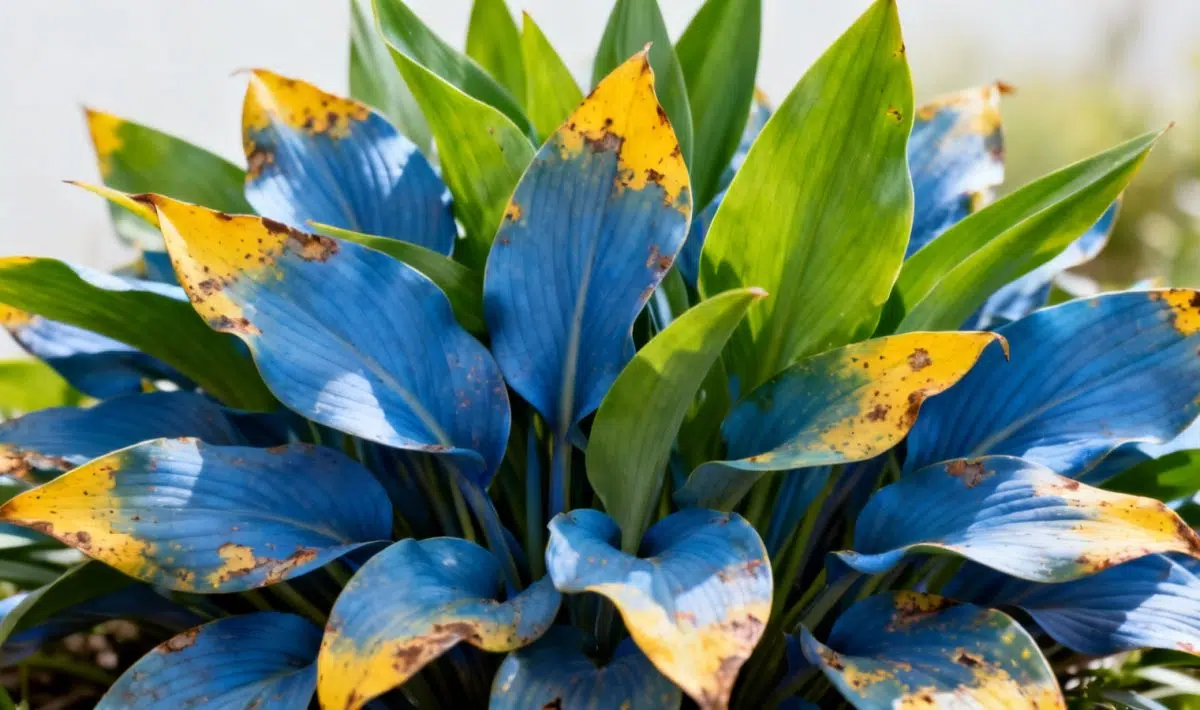
Why are my big blue lilyturf leaves turning yellow? Common causes and solutions
Nothing’s more frustrating than watching your beautiful blue lilyturf (Liriope muscari) develop yellow leaves when you’ve been so careful with your garden collection. Today, I’m sharing everything you need to know about why this happens and how to bring those gorgeous leaves back to their vibrant green glory.
Yellow leaves on your big blue lilyturf aren’t necessarily a death sentence for your plant. In fact, with the right approach, you can often restore your liriope to full health and enjoy its stunning purple flower spikes for years to come.
Blue lilyturf, also known as Liriope muscari, is a hardy perennial that garden enthusiasts love for its striking appearance and low-maintenance nature. This beautiful plant produces thick, grass-like leaves in various shades and develops gorgeous flower spikes in purple, white, or pink tones during late summer.
What makes this variety particularly special is its adaptability to different garden conditions. However, when those big leaves start turning yellow, it’s usually your plant’s way of telling you something isn’t quite right with its growing environment.
The good news is that liriope is generally a very forgiving plant. With proper care and attention to its basic needs, you can maintain a healthy collection of these stunning specimens in your garden.
Common causes of yellowing leaves
Watering issues – the most frequent culprit
Overwatering is hands down the most common reason why big blue lilyturf leaves turn yellow. These plants prefer well-draining soil and can actually tolerate drought conditions better than soggy roots.
When you water too frequently, the roots can’t breathe properly, leading to root rot and yellowing foliage. On the flip side, severe drought stress can also cause leaves to yellow and wilt, though this is less common with established plants.
✅ Quick Checklist
Is the soil too wet or too dry?
Is the plant getting 6+ hours of sunlight daily?
Have you fertilized in the last 2 months?
Are there visible pests under the leaves?
Does the pot have adequate drainage?
🔥 FREE
📱
Diagnose your plant in one click!
AI instant diagnosis • Personalized solutions • 50,000+ species
Poor soil conditions can stress your liriope and lead to yellow foliage. These plants thrive in well-draining soil with good organic content. Compacted clay soil or sandy soil without sufficient nutrients can both cause problems.
Nitrogen deficiency often manifests as yellowing leaves, starting with the older foliage first. If your plant hasn’t been fertilized in a while, this could very well be the issue. Similarly, issues with other garden plants like causes of yellowing honeysuckle leaves often stem from similar nutritional imbalances.
Light and environmental stress
While blue lilyturf can tolerate various light conditions, too much direct sunlight or complete shade can stress the plant. The ideal spot provides morning sun with afternoon shade, especially in hotter climates.
Sudden changes in growing conditions, such as transplant shock or extreme temperature fluctuations, can also trigger leaf yellowing. This is particularly common when moving plants or during unusually harsh weather periods.
Effective solutions for healthy green foliage
Adjusting your watering routine
The key to preventing yellow leaves is finding the perfect watering balance. Check the soil moisture by inserting your finger about 2 inches deep. Water only when the top inch feels dry to the touch.
For established plants, deep watering once or twice per week is usually sufficient. New plantings may need more frequent attention until their root systems develop fully.
Water early morning to allow leaves to dry during the day
Ensure proper drainage around the root zone
Reduce watering frequency during cooler months
Add mulch to help retain consistent soil moisture
Improving soil and nutrition
Feed your liriope with a balanced, slow-release fertilizer in early spring. A 10-10-10 or similar formulation works well for most garden situations. Avoid over-fertilizing, as this can actually promote excessive leaf growth at the expense of flower production.
Amend heavy clay soils with compost or other organic matter to improve drainage. For sandy soils, add compost to increase water and nutrient retention. Just like with solutions for yellowing pomegranate leaves, proper soil preparation is crucial for plant health.
Optimizing growing conditions
Choose the right location for your blue lilyturf to thrive. Most varieties perform best with morning sun and afternoon shade, though they can adapt to various light conditions.
Protect plants from harsh winds and extreme temperature swings when possible. In very hot climates, afternoon shade becomes even more important for maintaining healthy green foliage.
✅ Quick Checklist
Is the soil too wet or too dry?
Is the plant getting 6+ hours of sunlight daily?
Have you fertilized in the last 2 months?
Are there visible pests under the leaves?
Does the pot have adequate drainage?
🔥 FREE
📱
Diagnose your plant in one click!
AI instant diagnosis • Personalized solutions • 50,000+ species
Regular maintenance helps prevent many problems before they start. Trim back old, yellowing foliage in late winter or early spring before new growth begins. This promotes healthy new leaf development and removes any pest or disease issues from the previous season.
Divide overgrown clumps every 3-4 years to maintain plant vigor. This is also a great time to improve the soil with fresh compost or other organic amendments.
Creating the ideal growing environment
Blue lilyturf thrives with consistent care rather than intensive management. Once established, these plants are quite drought tolerant and can handle a variety of soil types and light conditions.
The key is providing good drainage, moderate fertility, and protection from extreme conditions. With these basics covered, your liriope collection will reward you with beautiful foliage and stunning flower displays year after year.
Remember, yellow leaves don’t mean your plant is doomed. Most often, it’s simply a sign that something in the growing environment needs adjustment. With a little detective work and the right care approach, you can have your blue lilyturf looking happy and healthy again in no time.
Allan is a lifelong gardening enthusiast who still gets excited when the first seedlings pop up in spring. With a deep love for nature and a hands-in-the-soil approach, he shares practical tips, plant discoveries, and clever tricks picked up over years of digging, planting, and observing. Whether you’re a new gardener or have a shed full of tools, Allan writes like a neighbor who’s always happy to swap cuttings and stories over the fence.
You can find more about Allan’s work on Malt or connect with him on LinkedIn.