
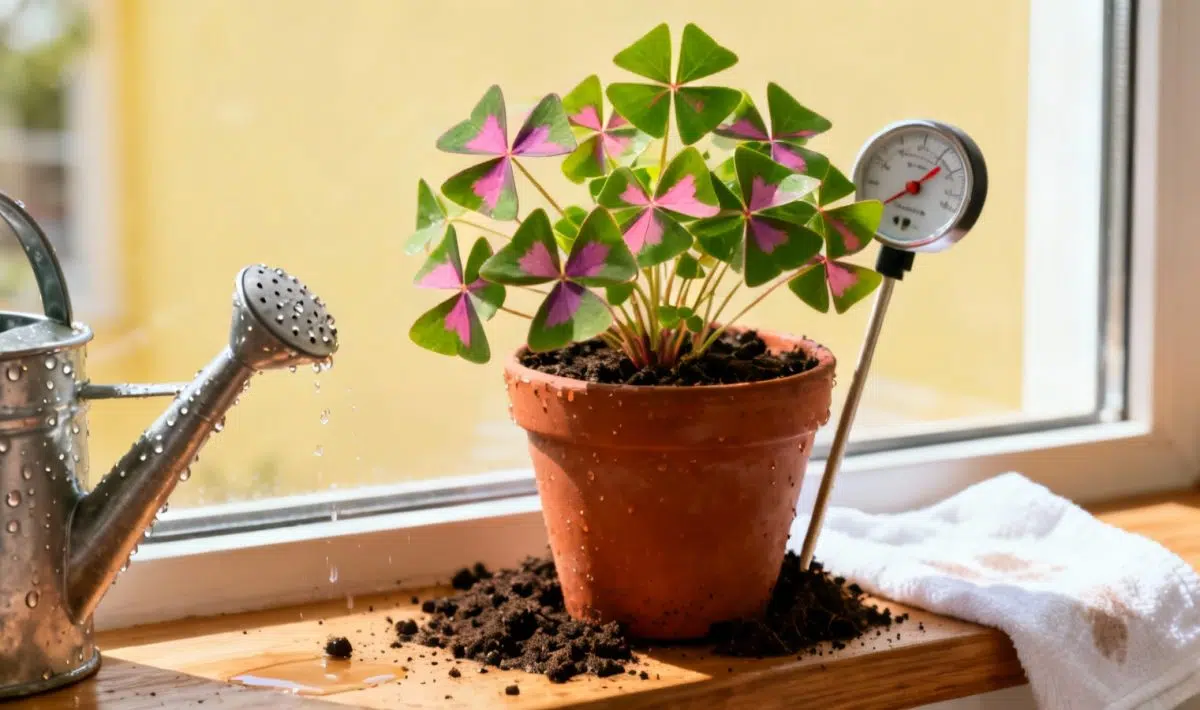
Understanding your false shamrock’s water needs
The false shamrock, scientifically known as Oxalis triangularis, has captured hearts with its stunning purple foliage and delicate flowers. However, many plant enthusiasts struggle with the question: how often should you water your false shamrock? The answer isn’t as straightforward as you might think, but understanding this beautiful plant’s unique requirements will help you achieve those gorgeous, vibrant shamrocks you’ve been dreaming of.
These charming bulbs have specific water preferences that differ significantly from other houseplants. Unlike plants that prefer consistently moist soil, oxalis thrives with a more measured approach. The key lies in understanding their natural growth cycle and responding accordingly to their seasonal needs.
The natural cycle of oxalis triangularis
Purple shamrocks follow a fascinating dormancy pattern that directly affects their watering requirements. During active growth periods, typically spring through early fall, these plants are busy producing those eye-catching purple leaves and delicate flowers. However, they also experience natural dormancy phases where they retreat underground, storing energy in their bulbs for the next growing season.
This cycle means your watering schedule should be flexible and responsive. During active growth, you’ll need to maintain consistent moisture levels, while dormant periods require significantly less water. Understanding this rhythm is crucial for long-term success with your shamrock collection.
Perfect watering frequency for healthy shamrocks
The golden rule for watering your false shamrock is to check the top inch of soil regularly. When this layer feels dry to the touch, it’s time to water. This typically translates to watering once or twice per week during active growing seasons, but environmental factors can significantly influence this schedule.
During peak summer months, you might find yourself watering more frequently, especially for indoor shamrocks near heating sources or outdoor plants in containers. Conversely, winter months often require much less frequent watering. Just as watering tomatoes during a heatwave requires special attention to environmental conditions, your oxalis care should adapt to seasonal changes.
Indoor versus outdoor watering considerations
Indoor shamrocks typically need more consistent attention than their outdoor counterparts. The controlled environment means more predictable watering schedules, but also requires vigilance against overwatering. Indoor air circulation, heating systems, and humidity levels all impact how quickly soil dries out.
Outdoor shamrocks benefit from natural rainfall but need protection from heavy downpours that can waterlog the soil. Container-grown outdoor plants dry out faster than those planted directly in garden beds, requiring more frequent monitoring during hot weather.
Signs your shamrock needs water
Learning to read your plant’s signals is essential for optimal care. Healthy oxalis leaves should feel firm and maintain their characteristic triangular shape. When water is needed, you might notice leaves becoming slightly less rigid or the soil pulling away from pot edges.
However, don’t wait for dramatic wilting. Purple shamrocks prefer consistent moisture over extreme wet-dry cycles. The goal is maintaining that sweet spot where soil remains slightly moist but never soggy. This balanced approach promotes healthy root development and prevents the bulbs from rotting.
Seasonal watering adjustments
Spring marks the beginning of active growth, when your shamrock emerges from dormancy with renewed vigor. During this time, gradually increase watering frequency as new growth appears. Summer requires the most consistent attention, with regular monitoring and adjustment based on temperature and humidity.
Fall signals the beginning of the dormancy preparation period. You’ll notice growth slowing and some leaves naturally dying back. This is when you should begin reducing water frequency. Winter dormancy requires minimal watering—just enough to prevent complete soil desiccation.
Proper watering technique for best results
When it’s time to water, do it thoroughly. Pour water slowly until it begins draining from the bottom holes, ensuring the entire root system receives moisture. This deep watering encourages healthy root development and prevents salt buildup in the soil.
Always use room temperature water, as cold water can shock the delicate root system. Similar to how watering Angel’s-wings begonia properly requires attention to water temperature, your shamrock will appreciate this gentle approach.
After watering, allow excess water to drain completely. Never let your shamrock sit in standing water, as this quickly leads to root rot and bulb decay. Empty drainage trays within 15-30 minutes of watering to prevent water retention issues.
Common watering mistakes to avoid
Overwatering remains the number one killer of false shamrocks. These plants are remarkably forgiving of slight underwatering but struggle to recover from waterlogged conditions. The bulbs are particularly susceptible to rot when soil remains consistently wet.
Another common mistake is maintaining the same watering schedule year-round. Just as keeping china asters vibrant and blooming requires seasonal adjustments, your shamrock’s needs change dramatically with the seasons. Flexibility in your care routine is essential for long-term success.
Warning signs of watering problems
Yellowing leaves often indicate overwatering, especially when accompanied by soft, mushy stems or a foul odor from the soil. Conversely, brown, crispy leaf edges suggest underwatering or low humidity. Black or brown bulbs visible at the soil surface are a serious sign of overwatering and potential rot.
Healthy shamrocks should display vibrant purple coloration on leaf undersides and maintain upright growth habits. Any deviation from these characteristics warrants immediate attention to your watering practices.
Optimizing growing conditions for water efficiency
The right potting mix significantly impacts watering success. Choose well-draining soil that retains some moisture without becoming waterlogged. A mixture of standard potting soil with added perlite or bark chips works excellently for most shamrock varieties.
Container choice also matters greatly. Pots with adequate drainage holes prevent water accumulation, while appropriate sizing ensures proper root development. Too large a container holds excess moisture, while too small restricts growth. Much like proper care for parlor palm watering depends on container considerations, your shamrock’s success relies on these fundamental choices.
Light conditions directly influence water needs. Shamrocks in bright, indirect light use water more efficiently than those in low-light conditions. Adjust watering frequency based on your plant’s location and the amount of light it receives throughout the day.
If you suspect overwatering, immediately reduce watering frequency and improve drainage. Remove any soft, rotting bulbs to prevent spread to healthy ones. Allow soil to dry more thoroughly between waterings until the plant recovers.
For underwatered shamrocks, gradually increase watering frequency rather than giving one large drink. This prevents shock and allows the plant to recover steadily. Monitor new growth as an indicator of recovery success.
Sometimes water quality affects plant health. If your tap water is heavily chlorinated or has high mineral content, consider using filtered water or allowing tap water to sit overnight before use. This simple step can make a significant difference in plant health, similar to how optimal watering for Pontic rhododendron benefits from water quality considerations.
Building a successful shamrock care routine
Success with false shamrocks comes from developing consistent observation habits. Check your plants regularly, noting soil moisture, leaf condition, and overall plant health. This attention to detail helps you catch problems early and adjust care accordingly.
Keep a simple care log noting watering dates and plant responses. This record helps you identify patterns and refine your approach over time. Many successful shamrock growers find that tracking their care routine leads to better plant health and more predictable results.
Remember that each shamrock may have slightly different needs based on its location, pot size, and individual characteristics. What works perfectly for one plant might need adjustment for another, even within the same variety.
Maximizing shamrock health through proper hydration
Proper watering is just one component of comprehensive shamrock care, but it’s arguably the most critical. These remarkable plants reward consistent, thoughtful attention with stunning displays of purple foliage and delicate flowers that bring joy to any space.
By understanding your false shamrock’s unique water requirements and responding to seasonal changes, you’ll create conditions that allow these beautiful bulbs to thrive year after year. The investment in learning proper watering techniques pays dividends in plant health, longevity, and the satisfaction of successfully growing these charming shamrocks.
With patience, observation, and consistent care, your Oxalis triangularis will become a stunning focal point that demonstrates your growing expertise. These purple beauties are ready to reward your attention with years of gorgeous growth and seasonal displays that make every day a little brighter.

Allan is a lifelong gardening enthusiast who still gets excited when the first seedlings pop up in spring. With a deep love for nature and a hands-in-the-soil approach, he shares practical tips, plant discoveries, and clever tricks picked up over years of digging, planting, and observing. Whether you’re a new gardener or have a shed full of tools, Allan writes like a neighbor who’s always happy to swap cuttings and stories over the fence.
You can find more about Allan’s work on Malt or connect with him on LinkedIn.


