This Underrated Grass Transforms Any Shady Corner Into a Lush Mini-Forest
This Underrated Grass Transforms Any Shady Corner Into a Lush Mini-Forest
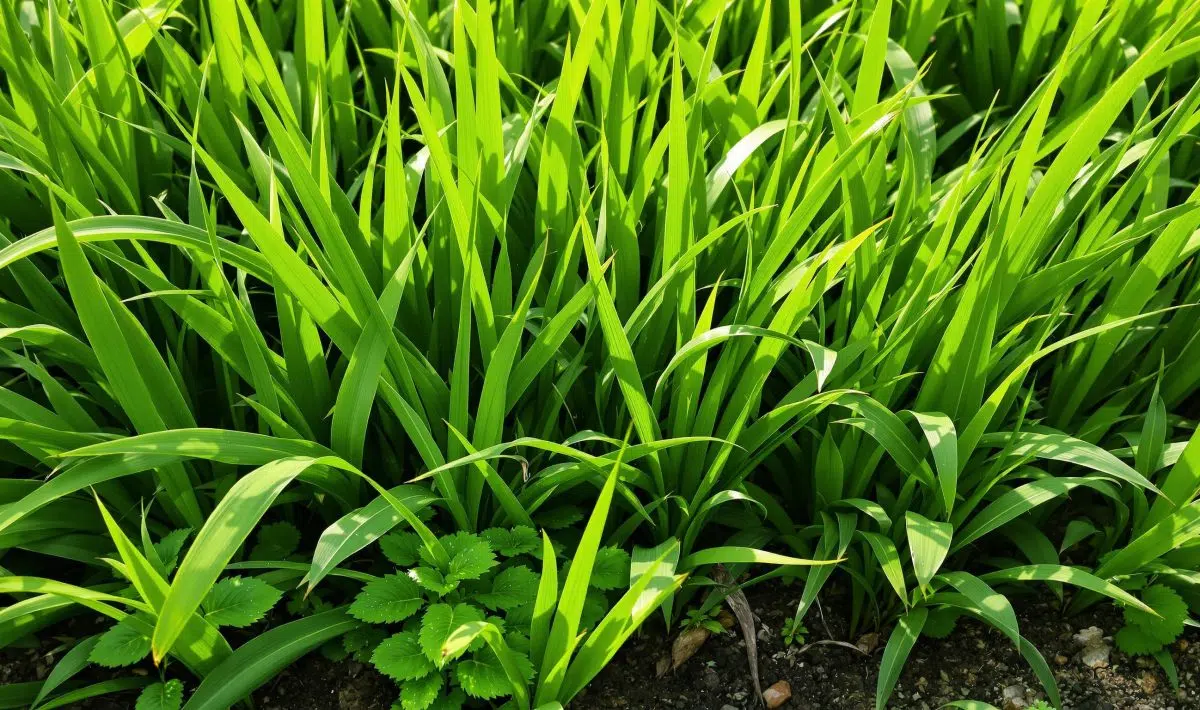
Shaded areas in gardens and lawns often struggle to thrive, leaving homeowners with sparse, patchy growth. However, a quiet revolution in turfgrass science has revealed an unlikely hero: fine fescue. This cool-season grass thrives in low-light conditions, offering a low-maintenance solution to transform neglected corners into vibrant green spaces.
Fine fescue, including varieties like creeping red fescue and hard fescue, has emerged as the gold standard for shaded lawns. Unlike traditional grasses that wither under limited sunlight, fine fescue adapts to partial shade and even full shade, making it ideal for north-facing yards or tree-dense areas.
Fine fescue’s deep root system allows it to access moisture and nutrients efficiently, even in low-light environments. While most grasses require at least six hours of direct sunlight daily, fine fescue can thrive with as little as 25–65% sunlight. This resilience makes it perfect for:
Under trees where sunlight filters through leaves
North-facing slopes with limited solar exposure
Urban gardens with tall buildings blocking sunlight
Low Maintenance Demands
Homeowners often shy away from shade-tolerant grasses due to high upkeep. Fine fescue defies this trend with:
Slow growth rates, reducing mowing frequency
Natural disease resistance, minimizing chemical treatments
Drought tolerance, requiring less irrigation than ryegrass or bluegrass
Choosing the Right Grass for Your Shade
While fine fescue dominates shade-tolerant options, other grasses may suit specific conditions. Here’s how to decide:
Fine Fescue vs. Tall Fescue: Key Differences
Feature
Fine Fescue
Tall Fescue
Shade Tolerance
Full to partial shade
Partial shade only
Growth Rate
Slow (less mowing)
Moderate (durable)
Climate Adaptability
Cool-season, zones 3–8
Warm-season, zones 6–10
Best For
Low-maintenance, shaded lawns
Drought-prone, sunnier areas
Alternative Options for Specific Needs
For coastal regions or warm climates, St. Augustinegrass offers salt tolerance and shade adaptability, though it struggles in frost-prone areas. Perennial ryegrass provides quick germination but requires more sunlight and maintenance.
Installing Fine Fescue: A Step-by-Step Guide
Proper installation ensures fine fescue establishes a robust root system. Follow these steps:
Soil Preparation
Test pH levels: Fine fescue prefers slightly acidic to neutral soil (pH 6.0–7.0).
Aerate and dethatch: Improve drainage and reduce competition from weeds.
Apply organic matter: Mix compost or peat moss to enhance soil structure.
Seeding and Watering
Application rate: 8–10 lbs per 1,000 sq ft for new lawns; 4–6 lbs for overseeding.
Watering schedule: Keep soil moist for 2–3 weeks post-seeding, then reduce to 1–2 inches weekly.
Aftercare Tips
Mowing: Maintain 2–3 inches height; mow less frequently due to slow growth.
Fertilization: Apply low-nitrogen fertilizer in spring and fall to avoid overgrowth.
Maintenance Strategies for Long-Term Success
Fine fescue’s low-maintenance profile doesn’t mean it’s entirely hands-off. Strategic care ensures longevity:
Managing Competing Weeds
Preventive measures: Use pre-emergent herbicides in early spring.
Manual removal: Hand-pull weeds to avoid damaging shallow roots.
Addressing Common Challenges
Issue
Solution
Drought stress
Water deeply once weekly during dry spells
Fungal diseases
Improve airflow; avoid overwatering
Foot traffic damage
Use stepping stones or mulched pathways
Case Studies: Real-World Success Stories
Fine fescue’s versatility shines in diverse settings:
Urban Backyard Transformation
A Seattle homeowner transformed a tree-shaded yard into a lush oasis using a Lesco Shade Mix (containing fine fescue and tall fescue). After overseeding, the area required only biweekly mowing and minimal watering, even during summer droughts.
Commercial Landscaping Application
A New York park replaced sun-dependent Kentucky bluegrass with fine fescue in shaded areas. Maintenance costs dropped by 40%, and the turf remained dense year-round despite heavy foot traffic.
The Future of Shade-Tolerant Landscaping
As urbanization intensifies and climate change alters growing conditions, fine fescue’s adaptability positions it as a key player in sustainable landscaping. Researchers are now crossbreeding it with drought-resistant species like buffalograss to create ultra-hardy hybrids.
Fine fescue’s ability to thrive in shade makes it a game-changer for homeowners and landscapers alike. By prioritizing this underrated grass, anyone can turn challenging shaded areas into vibrant, low-maintenance ecosystems. Whether you’re revitalizing a backyard or designing a public space, fine fescue offers a proven path to lush, sustainable growth.
Allan is a lifelong gardening enthusiast who still gets excited when the first seedlings pop up in spring. With a deep love for nature and a hands-in-the-soil approach, he shares practical tips, plant discoveries, and clever tricks picked up over years of digging, planting, and observing. Whether you’re a new gardener or have a shed full of tools, Allan writes like a neighbor who’s always happy to swap cuttings and stories over the fence.
You can find more about Allan’s work on Malt or connect with him on LinkedIn.
13 Replies to “This Underrated Grass Transforms Any Shady Corner Into a Lush Mini-Forest”
I used to have this dull, shadowy spot in my backyard. tried planting this grass, and wow, it’s now like a mini-oasis. totally changed the vibe of that corner!
Love discovering new ways to brighten shady spots in my garden! this grass sounds like the perfect pick 🌿✨
I planted mondo grass in a neglected shady spot in my garden, expecting little. but it thrived beyond belief and now that corner looks like a mini jungle sanctuary!
I remember planting that type of grass in a bare spot under a tree. it turned into this magical green area where no other plant could thrive! loved the transformation.
Love discovering unique plants! i’ll def give this grass a try to bring life into those tricky shaded spots in my garden. it’s like nature’s little magic trick. 🌿
🌿 So neat tempsits long]}
Interesting read, but will just planting grass really make such a big difference in shady corners? seems too good to be true
I love finding greenery options for those tricky shady spots! can’t wait to try this out and transform my garden’s dark corners. thanks for the inspiration! 🌿
How long does it take for fine fescue to fully cover a shady area? also, is it easy to maintain once it’s established?
Sounds amazing!
How easy is it to maintain fine fescue compared to other grass types, and does it need a lot of water? i’d love to know more before trying it out in my shady spots!
Sounds great!
How low maintenance is fine fescue compared to other grasses?





I used to have this dull, shadowy spot in my backyard. tried planting this grass, and wow, it’s now like a mini-oasis. totally changed the vibe of that corner!
Love discovering new ways to brighten shady spots in my garden! this grass sounds like the perfect pick 🌿✨
I planted mondo grass in a neglected shady spot in my garden, expecting little. but it thrived beyond belief and now that corner looks like a mini jungle sanctuary!
I remember planting that type of grass in a bare spot under a tree. it turned into this magical green area where no other plant could thrive! loved the transformation.
Love discovering unique plants! i’ll def give this grass a try to bring life into those tricky shaded spots in my garden. it’s like nature’s little magic trick. 🌿
🌿 So neat tempsits long]}
Interesting read, but will just planting grass really make such a big difference in shady corners? seems too good to be true
I love finding greenery options for those tricky shady spots! can’t wait to try this out and transform my garden’s dark corners. thanks for the inspiration! 🌿
How long does it take for fine fescue to fully cover a shady area? also, is it easy to maintain once it’s established?
Sounds amazing!
How easy is it to maintain fine fescue compared to other grass types, and does it need a lot of water? i’d love to know more before trying it out in my shady spots!
Sounds great!
How low maintenance is fine fescue compared to other grasses?