What Your Yellow Leaves Are Really Trying To Tell You
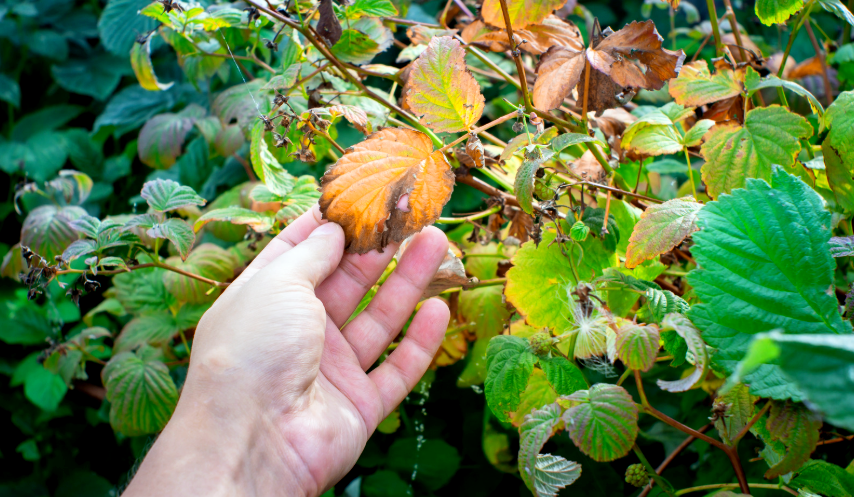
Yellow leaves are a universal signal in plant care, often indicating stress, nutrient deficiencies, or environmental challenges. While natural aging can cause older leaves to yellow, sudden or widespread discoloration warrants attention. From tomatoes to cucumbers, understanding these visual cues helps gardeners diagnose and address issues before they escalate. Below, we break down the most common causes and actionable solutions.
Plants communicate through physical changes, and yellowing leaves are among their most direct warnings. These discolorations can signal:
In mature plants, yellowing older leaves is a natural part of growth cycles. As plants prioritize resources for new growth, lower leaves may fade and drop. This process is particularly common in tomatoes, where upper foliage receives more sunlight and nutrients.
Key Takeaway: Monitor the pattern. If yellowing is limited to older leaves and occurs gradually, it’s likely benign.
Nutrient Deficiencies
Yellow leaves often reflect a lack of essential nutrients. Nitrogen deficiency is a leading cause, particularly in tomatoes and cucumbers. Symptoms include:
Pale green or yellowing older leaves
Stunted growth
Reduced fruit production
Solutions:
Balanced fertilization: Use a 5-10-5 or tomato-specific fertilizer to replenish nitrogen.
Soil testing: Identify specific deficiencies before applying targeted supplements.
[smartquiz]
Watering Issues
Overwatering and underwatering are equally damaging. Root rot from excess moisture causes leaves to wilt and yellow, while drought stress leads to crispy, curled foliage.
Best Practices:
Deep watering: Water plants slowly at the base to encourage root depth.
Soil monitoring: Check moisture by inserting a finger 1–2 inches into the soil.
Drainage improvement: Add sand or compost to heavy soils to prevent waterlogging.
Pests And Pest-Related Damage
Aphids, potato leafhoppers, and spider mites feed on sap, causing yellowing, curling, or stippled leaves. These pests also transmit diseases, compounding damage.
Management Strategies:
Hose blasting: Dislodge aphids with a strong water spray.
Pruning: Remove infested leaves to prevent pest spread.
Organic controls: Introduce natural predators like ladybugs or lacewings.
Diseases And Root Rot
Fungal infections thrive in moist conditions, attacking roots and causing yellowing from the top down. Root rot is particularly destructive in potatoes and cucumbers.
Crop rotation: Break disease cycles by rotating plant families annually.
Sanitation: Dispose of infected plants to prevent cross-contamination.
Environmental Stressors
Plants react to extreme temperatures, poor light, or soil pH imbalances. For example, insufficient sunlight weakens photosynthesis, leading to chlorosis (yellowing).
Optimization Strategies:
Light adjustment: Ensure tomatoes receive 6+ hours of direct sunlight daily.
Allan is a lifelong gardening enthusiast who still gets excited when the first seedlings pop up in spring. With a deep love for nature and a hands-in-the-soil approach, he shares practical tips, plant discoveries, and clever tricks picked up over years of digging, planting, and observing. Whether you’re a new gardener or have a shed full of tools, Allan writes like a neighbor who’s always happy to swap cuttings and stories over the fence.
You can find more about Allan’s work on Malt or connect with him on LinkedIn.
22 Replies to “What Your Yellow Leaves Are Really Trying To Tell You”
This was super insightful! i had no idea yellow leaves could say so much about my plant’s health. can’t wait to adjust my care routine! thanks for the tips! 🌿
Loved this insight! who knew yellow leaves had such stories to tell? ready to give my plants a detective’s eye and listen carefully now! 🌿💛
What are some quick fixes for yellow leaves due to nutrient deficiencies? any tips would be awesome!
Oh no, yellow! 🙉️
Super helpful 😊
🌿 Yes, needed this
Love this! my plants’ yellow leaves have been a mystery. can’t wait to use these tips for a greener thumb. thanks! 🌿
Loved this! had no idea yellow leaves could signal so much. thanks for the awesome info—time to show my plants some tlc! 🌿🍂
🍁 News flash
Loved this article! it’s amazing how much our plants can ‘talk’ if we learn their language. yellow leaves as little clues—who knew? can’t wait to try these tips! 🌿
Loved this! it’s like learning a new language from our plants! 🌿 can’t wait to put these tips to use and make my little green friends happy again. 🏡🌼
Interesting perspective 😊
I had a jade plant that started showing yellow leaves. at first, i couldn’t figure it out but then realized i was overwatering it. letting the soil dry completely between waterings brought it back to health.
Could mean trouble 🌿
My monstera’s leaves turned yellow and i panicked, then realized i’d overwatered it. a little less love and it’s lush again. plants sure teach patience!
Beautiful lesson 🌼😊
🌾 Plant might need tlc!
Super helpful info
🍂 So relatable!
How can i tell if my plant’s yellow leaves are due to overwatering or a nutrient deficiency? any specific signs for each?
Wow, this was super enlightening! never knew yellow leaves could reveal so much about my plants’ health. going to check mine right away—thanks for the tips! 🌿💛
Love this! my plants have been trying to tell me something for weeks. now i know. time to save my leafy friends! 🌿



This was super insightful! i had no idea yellow leaves could say so much about my plant’s health. can’t wait to adjust my care routine! thanks for the tips! 🌿
Loved this insight! who knew yellow leaves had such stories to tell? ready to give my plants a detective’s eye and listen carefully now! 🌿💛
What are some quick fixes for yellow leaves due to nutrient deficiencies? any tips would be awesome!
Oh no, yellow! 🙉️
Super helpful 😊
🌿 Yes, needed this
Love this! my plants’ yellow leaves have been a mystery. can’t wait to use these tips for a greener thumb. thanks! 🌿
Loved this! had no idea yellow leaves could signal so much. thanks for the awesome info—time to show my plants some tlc! 🌿🍂
🍁 News flash
Loved this article! it’s amazing how much our plants can ‘talk’ if we learn their language. yellow leaves as little clues—who knew? can’t wait to try these tips! 🌿
Loved this! it’s like learning a new language from our plants! 🌿 can’t wait to put these tips to use and make my little green friends happy again. 🏡🌼
Interesting perspective 😊
I had a jade plant that started showing yellow leaves. at first, i couldn’t figure it out but then realized i was overwatering it. letting the soil dry completely between waterings brought it back to health.
Could mean trouble 🌿
My monstera’s leaves turned yellow and i panicked, then realized i’d overwatered it. a little less love and it’s lush again. plants sure teach patience!
Beautiful lesson 🌼😊
🌾 Plant might need tlc!
Super helpful info
🍂 So relatable!
How can i tell if my plant’s yellow leaves are due to overwatering or a nutrient deficiency? any specific signs for each?
Wow, this was super enlightening! never knew yellow leaves could reveal so much about my plants’ health. going to check mine right away—thanks for the tips! 🌿💛
Love this! my plants have been trying to tell me something for weeks. now i know. time to save my leafy friends! 🌿