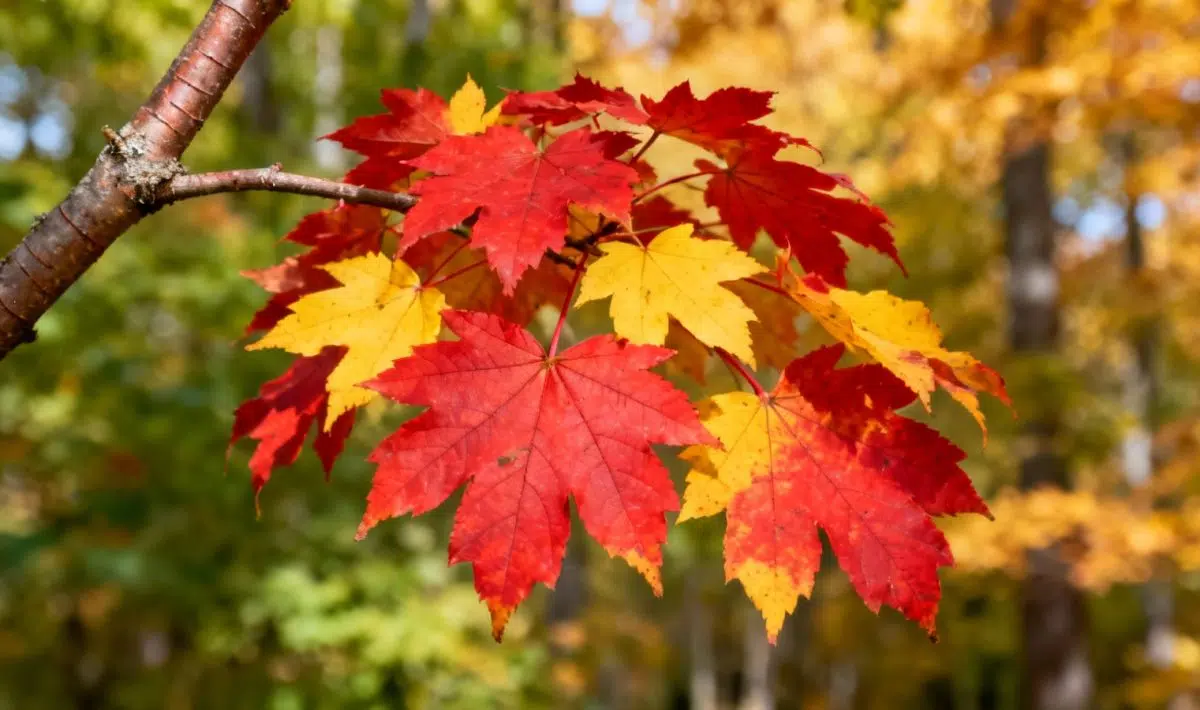
Why are my red maple leaves turning yellow: causes and solutions for autumn care
Seeing your beautiful red maple’s leaves start turning yellow can be concerning, especially when you’re expecting those gorgeous red and orange autumn colors. Don’t worry though – yellow leaves on red maples are actually quite common and usually signal natural seasonal changes or manageable care issues.
Understanding why this happens will help you determine whether your tree needs attention or if it’s simply following nature’s schedule. Let’s explore the main reasons behind this color change and what you can do about it.
The most common reason for yellow leaves on red maples is the natural autumn transition. As temperatures drop and daylight hours shorten, your maple begins preparing for winter by breaking down chlorophyll in its leaves. This process reveals the yellow pigments that were always there, hidden beneath the green.
Red maples typically begin their color change in early to mid-September, depending on your climate. The yellow phase often appears first, especially on younger trees or those experiencing stress. Within a few weeks, you should see the characteristic red and orange hues develop, particularly if nighttime temperatures dip below 45°F consistently.
✅ Quick Checklist
Is the soil too wet or too dry?
Is the plant getting 6+ hours of sunlight daily?
Have you fertilized in the last 2 months?
Are there visible pests under the leaves?
Does the pot have adequate drainage?
🔥 FREE
📱
Diagnose your plant in one click!
AI instant diagnosis • Personalized solutions • 50,000+ species
However, if yellow leaves appear in late spring or summer, this signals stress rather than seasonal change. Early yellowing often indicates your maple needs better care to maintain its health throughout the growing season.
Watering issues affecting leaf color
Improper watering ranks as the top cause of premature yellow leaves in red maples. These trees prefer consistently moist but well-draining soil, and both overwatering and underwatering can trigger yellowing.
Overwatered maples develop yellow leaves that feel soft and may show brown spots. The soil around an overwatered tree stays soggy and may smell sour. Check soil drainage by digging a small hole – water should drain within 24 hours after heavy rain or watering.
Underwatered trees show yellow leaves that feel crispy and dry, often starting from the bottom branches and moving upward. During warm months, mature red maples need about 1-2 inches of water weekly, including rainfall. Deep watering twice per week works better than frequent shallow watering.
Soil and nutrition factors
Poor soil conditions frequently cause yellowing in red maple leaves. These trees thrive in slightly acidic soil with a pH between 5.5 and 6.8. Alkaline soils can prevent proper nutrient uptake, leading to chlorosis – a condition where leaves turn yellow while veins remain green.
Nutrient deficiencies, particularly iron and nitrogen, also trigger yellow leaves. Similar to how red frangipani leaf yellowing issues can stem from nutrient problems, maple trees need balanced feeding to maintain healthy foliage throughout the growing season.
Test your soil pH using a simple home test kit. If the pH exceeds 7.0, apply sulfur or use an acidifying fertilizer designed for trees. For nutrient deficiencies, choose a balanced tree fertilizer with micronutrients and apply in early spring.
Environmental stress and pests
Environmental factors like extreme heat, drought, or sudden temperature changes can shock red maples into early leaf yellowing. Newly planted trees are especially vulnerable during their first two years as they establish root systems.
Common pests that cause yellow leaves include:
Aphids – tiny insects that cluster on leaf undersides and drain plant juices
Scale insects – small, waxy bumps on branches that weaken trees over time
Spider mites – microscopic pests that create fine webbing and stippled yellow leaves
Maple leaf scorch – a fungal disease causing yellow to brown leaf edges
Inspect your tree regularly for signs of pest activity. Many issues, including those affecting other plants like red clover leaves turning yellow reasons , share similar pest-related causes that respond well to early intervention.
✅ Quick Checklist
Is the soil too wet or too dry?
Is the plant getting 6+ hours of sunlight daily?
Have you fertilized in the last 2 months?
Are there visible pests under the leaves?
Does the pot have adequate drainage?
🔥 FREE
📱
Diagnose your plant in one click!
AI instant diagnosis • Personalized solutions • 50,000+ species
Once you’ve identified the cause of yellowing, taking prompt action can help restore your red maple’s health. For watering issues, adjust your schedule based on rainfall and soil moisture levels. Install a rain gauge to track weekly precipitation and supplement when needed.
Improve soil drainage by adding organic compost around the tree’s base, extending to the drip line. Avoid piling mulch against the trunk – maintain a 6-inch gap to prevent rot and pest problems.
For nutrient deficiencies, apply a balanced tree fertilizer in early spring when new growth begins. Organic options like compost or well-aged manure release nutrients slowly and improve soil structure over time.
Monitor your tree throughout the growing season, especially during hot, dry periods. Young trees may need extra attention during their first few years as they develop strong root systems.
When to seek professional help
Contact a certified arborist if yellow leaves persist despite improved care, or if you notice additional symptoms like branch dieback, unusual growths, or extensive pest damage. Professional diagnosis can identify serious diseases or structural problems that require specialized treatment.
Tree care professionals have access to specialized fertilizers, pest control methods, and diagnostic tools that aren’t available to homeowners. They can also assess whether your maple’s location provides adequate space for mature growth and recommend solutions if not.
Remember that healthy red maples can live for decades with proper care. Addressing yellow leaf issues early helps ensure your tree continues providing beautiful autumn color and shade for years to come. Most yellowing problems respond well to improved watering, soil amendments, and regular monitoring throughout the growing season.
Allan is a lifelong gardening enthusiast who still gets excited when the first seedlings pop up in spring. With a deep love for nature and a hands-in-the-soil approach, he shares practical tips, plant discoveries, and clever tricks picked up over years of digging, planting, and observing. Whether you’re a new gardener or have a shed full of tools, Allan writes like a neighbor who’s always happy to swap cuttings and stories over the fence.
You can find more about Allan’s work on Malt or connect with him on LinkedIn.