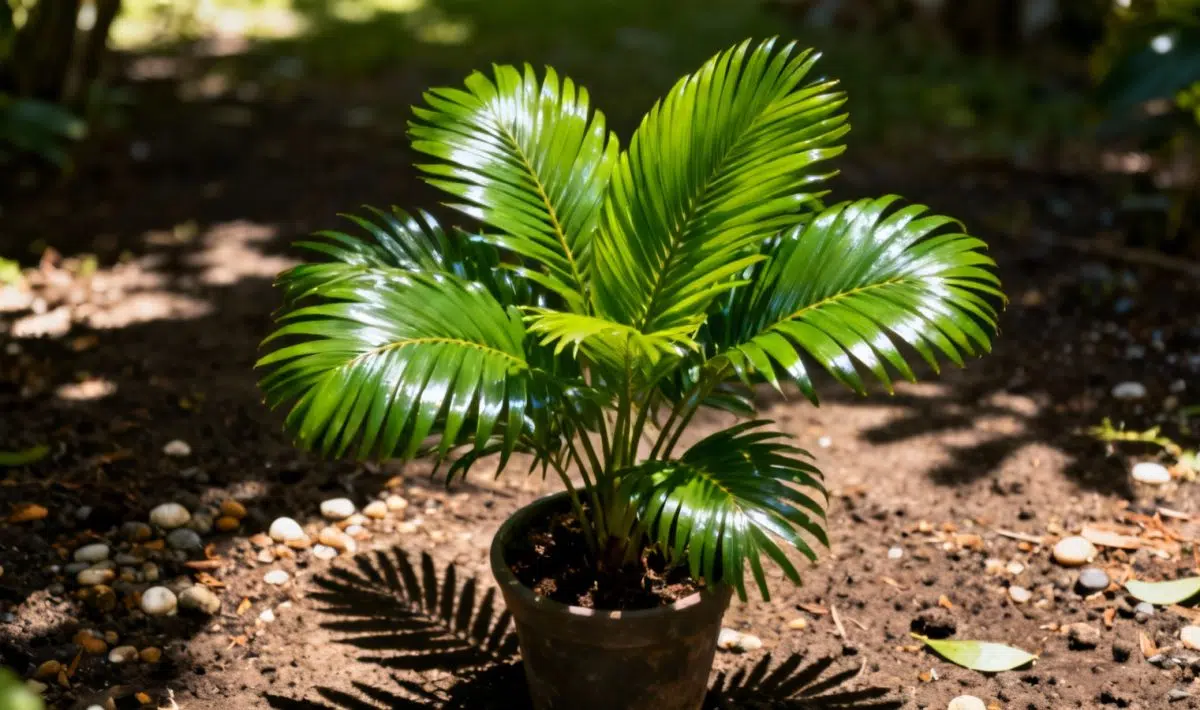
The coontie (Zamia pumila), Florida’s native cycad, has quite specific sunlight requirements that determine how well your plant will thrive. How much sunlight does coontie need exactly? These fascinating plants perform best with at least 6 hours of direct sunlight daily, though they’re surprisingly adaptable to various light conditions. Understanding these needs is crucial for successful cultivation, whether you’re growing them indoors or in your garden.
Originally found in the sandy soils and coastal areas of Florida, coonties have evolved to handle everything from full sun to partial shade. This adaptability makes them excellent choices for gardeners who want low-maintenance plants that can handle different lighting situations throughout the day.
Optimal sunlight conditions for coontie plants
For the healthiest growth and most vibrant appearance, your coontie should receive 6-8 hours of direct sunlight each day. This mirrors their natural habitat where they bask in Florida’s abundant sunshine. When given adequate light, coonties develop compact, robust forms and maintain their characteristic dark green foliage that makes them so appealing.
However, these resilient plants can tolerate partial shade quite well. In areas with intense afternoon heat, some protection during the hottest hours can actually benefit your coontie. Much like understanding the sunlight requirements for growing potatoes, knowing when and how much light to provide makes all the difference in plant health.
Indoor coonties need special attention regarding light. Place them near south-facing windows where they’ll receive the most consistent sunlight throughout the day. If natural light is limited, consider supplementing with grow lights to meet their minimum requirements.
Signs your coontie needs more or less light
Recognizing light-related issues early can save your coontie from long-term damage. When these plants don’t receive enough sunlight, they become leggy and stretched, reaching desperately toward available light sources. The leaves may appear pale green or yellowish, lacking the rich color of a healthy specimen.
Conversely, too much intense direct sunlight can scorch the leaves, especially during summer months. You’ll notice brown, crispy edges or bleached-looking spots on the foliage. This is particularly common when plants are suddenly moved from shade to full sun without proper acclimatization.
The growth rate also tells a story about light conditions. Coonties receiving optimal sunlight grow steadily and produce new fronds regularly. Those struggling with poor lighting often stop growing altogether or produce weak, undersized leaves.
Adjusting placement throughout the seasons
Seasonal changes affect how much sunlight your coontie receives and needs. During winter months, the sun’s angle changes, potentially reducing the light reaching your plant. You might need to relocate outdoor containers or adjust indoor plant positions to maintain adequate exposure.
Spring brings renewed growth energy, making it the perfect time to assess and optimize your coontie’s location. As temperatures rise and daylight hours increase, these plants enter their most active growing period. Ensuring proper light exposure during this time sets the foundation for healthy growth throughout the year.
Indoor vs outdoor lighting considerations
Outdoor coonties generally have fewer lighting challenges since they can access natural sunlight more easily. Position them where they’ll receive morning sun and some afternoon protection if you live in extremely hot climates. These conditions mirror their native environment and promote healthy, sustainable growth.
Indoor cultivation requires more planning and attention to light sources. Regular rotation helps ensure all sides of the plant receive adequate exposure. Just as gardeners consider optimal sunlight for coriander plants when planning herb gardens, indoor coontie placement should prioritize consistent, quality light access.
Application of artificial lighting becomes necessary when natural sources fall short. LED grow lights work exceptionally well for coonties, providing the full spectrum they need without generating excessive heat that might stress the plant.
Creating the perfect microenvironment
Sometimes the ideal lighting situation requires creativity and patience. Consider using reflective surfaces to bounce additional light toward your coontie, or strategically place lighter-colored materials around the plant to enhance available illumination.
Companion planting can also help create beneficial lighting conditions. Taller plants can provide natural shade during the hottest parts of the day while allowing morning and evening light to reach your coontie freely.
Troubleshooting common lighting problems
When your coontie isn’t thriving, lighting issues are often the culprit. Start by documenting how many hours of direct sunlight your plant actually receives each day. Many gardeners overestimate their plant’s light exposure, leading to ongoing health problems.
Moving a struggling coontie to better lighting should be done gradually. Sudden changes shock the plant and can cause more harm than good. Increase exposure incrementally over several weeks, allowing the plant to adjust naturally to its new conditions.
Different varieties may have slightly different preferences, though most follow the general guidelines for the species. When dealing with lighting challenges, remember that patience and observation are your best tools for success. Understanding plant needs becomes intuitive over time, much like learning about sunlight needs for dragon fruit or other specialized plants.
Maximizing available light resources
Even in less-than-ideal lighting situations, you can help your coontie thrive with some clever adjustments. Clean windows regularly to ensure maximum light transmission for indoor plants. Remove any obstacles that might be casting unwanted shadows on outdoor specimens.
Consider the surrounding landscape when positioning outdoor coonties. Trees and structures that provide beneficial shade in summer might block crucial winter sunlight. Planning for year-round lighting needs prevents seasonal stress and maintains consistent plant health.
Advanced lighting techniques for optimal growth
Professional growers often use sophisticated lighting setups to maximize coontie growth and health. Timer-controlled systems ensure consistent daily light exposure, while adjustable fixtures allow for seasonal modifications without constantly moving plants.
Light meters can take the guesswork out of placement decisions. These tools measure actual light intensity, helping you identify the perfect spots in your home or garden. Understanding light quality as well as quantity becomes important for serious coontie enthusiasts.
For commercial applications or serious collectors, understanding lighting parallels with other plants proves valuable. Knowledge gained from studying ideal sunlight conditions for orchard grass can inform decisions about outdoor landscaping that benefits multiple plant types simultaneously.
Integration with overall plant care
Lighting doesn’t exist in isolation from other care factors. Proper watering, soil drainage, and nutrition all work together with appropriate light exposure to create thriving coonties. Adjusting one element often requires fine-tuning others to maintain the delicate balance these plants prefer.
Temperature regulation becomes particularly important when optimizing lighting. Intense sunlight can raise temperatures beyond comfortable levels for coonties, requiring additional ventilation or strategic shading during peak hours. Successful cultivation often means thinking about these interconnected systems holistically.
Learning from diverse plant communities can enhance your understanding of light management. Observing how sunlight needs of English oak trees differ from smaller plants helps develop a broader perspective on light ecology and plant placement strategies.
Seasonal care and light management
Each season brings unique lighting challenges and opportunities for coontie care. Spring emergence requires gentle light increases to support new growth without shocking dormant plants. Summer management focuses on preventing heat stress while maintaining adequate exposure.
Fall preparation involves gradually reducing light intensity to help plants prepare for winter dormancy. Winter care emphasizes maximizing available light during shorter days while protecting against cold damage that often accompanies reduced daylight hours.
Understanding these seasonal rhythms helps you anticipate and meet your coontie’s changing needs throughout the year. Plants grown with consistent, appropriate lighting develop stronger root systems and more resilient overall health that carries them through challenging periods. Just as knowing about necessary sunlight for scarlet beebalm helps with perennial garden planning, mastering coontie light requirements enhances your overall gardening success.
Allan is a lifelong gardening enthusiast who still gets excited when the first seedlings pop up in spring. With a deep love for nature and a hands-in-the-soil approach, he shares practical tips, plant discoveries, and clever tricks picked up over years of digging, planting, and observing. Whether you’re a new gardener or have a shed full of tools, Allan writes like a neighbor who’s always happy to swap cuttings and stories over the fence.
You can find more about Allan’s work on Malt or connect with him on LinkedIn.