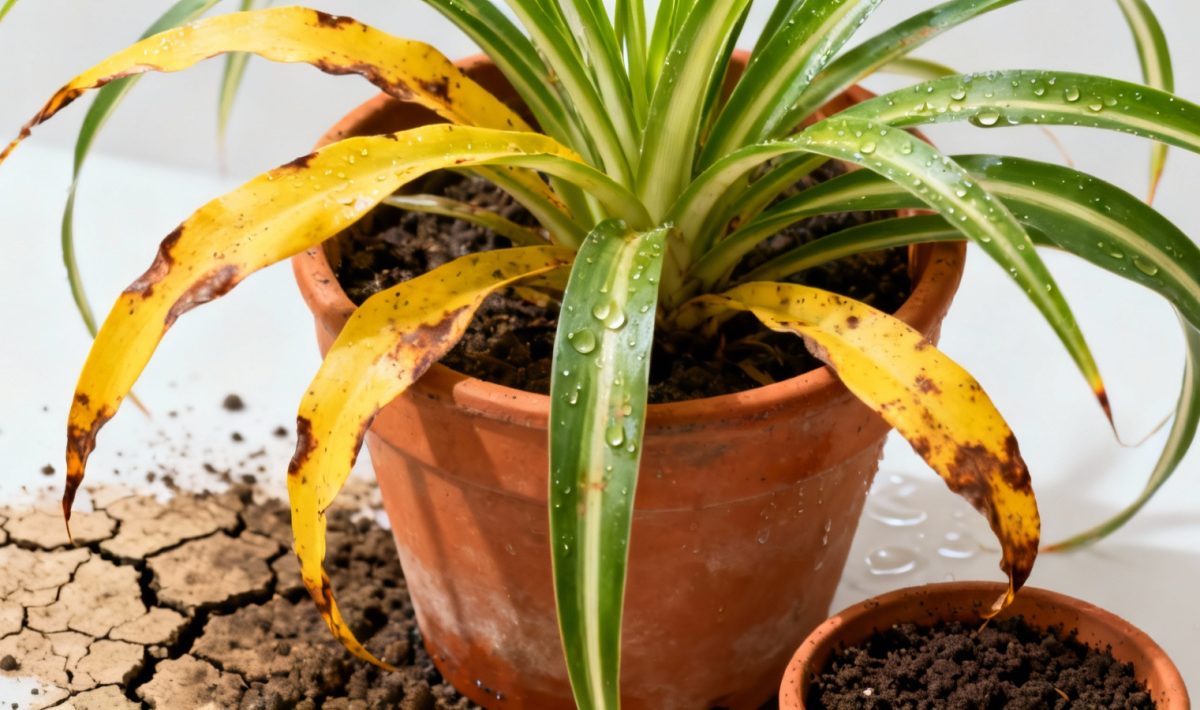
Why are my spider plant leaves turning yellow – common causes and solutions
Spider plants are beloved houseplants known for their graceful arching leaves and easy care requirements. However, when those vibrant green leaves start turning yellow, it can be concerning for any plant parent. Understanding why are my spider plant leaves turning yellow is essential for maintaining healthy plants and preventing further damage.
Yellow leaves on spider plants typically indicate underlying issues with watering, light exposure, nutrient deficiencies, or pest problems. The good news is that most causes are easily fixable once you identify the root problem. Let’s explore the most common reasons behind this yellowing and how to address each one effectively.
Several factors can contribute to leaf yellowing in spider plants. Identifying the specific cause is crucial for implementing the right solution and preventing future occurrences.
Watering issues and root problems
Overwatering is one of the most frequent culprits behind yellow spider plant leaves. When soil remains consistently wet, it creates conditions for root rot to develop. This fungal disease prevents roots from absorbing nutrients properly, leading to yellowing leaves that eventually turn brown and mushy.
Conversely, underwatering can also cause yellowing, though the leaves typically become crispy and dry rather than soft. Spider plants prefer soil that’s allowed to dry slightly between waterings. Check the soil moisture by inserting your finger about two inches deep – if it’s dry, it’s time to water.
✅ Quick Checklist
Is the soil too wet or too dry?
Is the plant getting 6+ hours of sunlight daily?
Have you fertilized in the last 2 months?
Are there visible pests under the leaves?
Does the pot have adequate drainage?
🔥 FREE
📱
Diagnose your plant in one click!
AI instant diagnosis • Personalized solutions • 50,000+ species
Spider plants thrive in bright, indirect light. Too much direct sunlight can scorch the leaves, causing yellow or brown spots to appear. On the other hand, insufficient light can cause the plant to become weak and develop pale, yellowish foliage as it struggles to photosynthesize effectively.
Temperature fluctuations and dry air can also stress spider plants. These plants prefer temperatures between 65-75°F and moderate humidity levels. Placing them near heating vents, air conditioners, or drafty windows can cause leaf yellowing and other stress symptoms.
Nutrient deficiencies that cause yellowing
Like all plants, spider plants require proper nutrition to maintain healthy green foliage. When essential nutrients are lacking, yellowing leaves are often the first sign of deficiencies.
Iron and magnesium deficiencies
Iron deficiency typically causes yellowing between leaf veins while the veins themselves remain green, a condition called chlorosis. This is more common in plants grown in alkaline soil or those that have been overwatered, as both conditions can prevent iron absorption.
Magnesium deficiency presents differently, with older leaves turning yellow from the edges inward while younger leaves remain green. This nutrient is essential for chlorophyll production, so its absence directly impacts the plant’s ability to maintain green coloration.
Similar yellowing patterns can occur in other houseplants too. For instance, understanding yellowing japanese honeysuckle leaves can help you recognize these nutrient-related issues across different plant species.
Overall nutrient balance
Spider plants benefit from regular feeding during their growing season (spring through early fall). A balanced, water-soluble fertilizer applied monthly can prevent most nutrient-related yellowing. However, over-fertilization can also cause problems, leading to salt buildup in the soil that damages roots and causes leaf burn.
Pest infestations and diseases
Several pests and diseases can cause spider plant leaves to turn yellow. Early identification and treatment are key to preventing widespread damage.
Common pests affecting spider plants
Spider mites are particularly troublesome for spider plants, especially in dry indoor environments. These tiny pests feed on plant juices, causing stippled yellow spots that eventually merge into larger yellow areas. You might also notice fine webbing on the undersides of leaves.
Aphids, scale insects, and mealybugs can also cause yellowing by sucking plant sap. These infestations weaken the plant and can introduce viral diseases that further compromise plant health. Regular inspection of leaf undersides can help catch these issues early.
Fungal and bacterial problems
Root rot, caused by overwatering and poor drainage, is the most serious disease affecting spider plants. This condition causes roots to turn black and mushy, preventing proper nutrient uptake and leading to widespread yellowing.
Leaf spot diseases can also occur, particularly in humid conditions with poor air circulation. These appear as yellow or brown spots on leaves that may have dark borders or fuzzy growth in severe cases.
✅ Quick Checklist
Is the soil too wet or too dry?
Is the plant getting 6+ hours of sunlight daily?
Have you fertilized in the last 2 months?
Are there visible pests under the leaves?
Does the pot have adequate drainage?
🔥 FREE
📱
Diagnose your plant in one click!
AI instant diagnosis • Personalized solutions • 50,000+ species
Preventing yellow leaves is always easier than treating them. Proper care practices can keep your spider plant healthy and vibrant year-round.
Optimal watering techniques
Water your spider plant when the top inch of soil feels dry to the touch. Use room-temperature water and water thoroughly until excess drains from the bottom holes. Empty drainage trays after 30 minutes to prevent the plant from sitting in standing water.
During winter months, reduce watering frequency as growth slows down. Overwatering during this dormant period is particularly harmful and can quickly lead to root rot issues.
Creating the right environment
Place your spider plant in a location with bright, indirect light for 6-8 hours daily. East or west-facing windows work well, or you can use sheer curtains to filter intense afternoon sun from south-facing windows.
Maintain humidity levels around 40-50% by grouping plants together or using a pebble tray filled with water. Good air circulation helps prevent fungal diseases while supporting healthy growth.
Understanding yellowing issues in houseplants is valuable knowledge that applies beyond spider plants. The causes of yellowing arrowhead leaves share many similarities with spider plant problems, making this knowledge transferable to other plants in your collection.
When to take action
Not all yellow leaves require immediate intervention. Older leaves naturally yellow and drop as part of the plant’s normal growth cycle. However, widespread yellowing, especially in younger leaves, indicates a problem that needs attention.
Remove yellow leaves promptly to prevent energy waste and reduce disease risk. Use clean, sharp scissors to cut leaves at their base, being careful not to damage healthy tissue. If you discover root rot, remove affected roots and repot in fresh, well-draining soil.
Monitor your plant closely after making changes to care routines. It may take several weeks to see improvement, so patience is key. New growth should emerge green and healthy once underlying issues are resolved.
With proper attention to watering, light, nutrition, and pest prevention, your spider plant can recover from yellowing leaves and thrive for years to come. These resilient plants are forgiving of minor care mistakes, making them excellent choices for both beginners and experienced plant enthusiasts.
Allan is a lifelong gardening enthusiast who still gets excited when the first seedlings pop up in spring. With a deep love for nature and a hands-in-the-soil approach, he shares practical tips, plant discoveries, and clever tricks picked up over years of digging, planting, and observing. Whether you’re a new gardener or have a shed full of tools, Allan writes like a neighbor who’s always happy to swap cuttings and stories over the fence.
You can find more about Allan’s work on Malt or connect with him on LinkedIn.