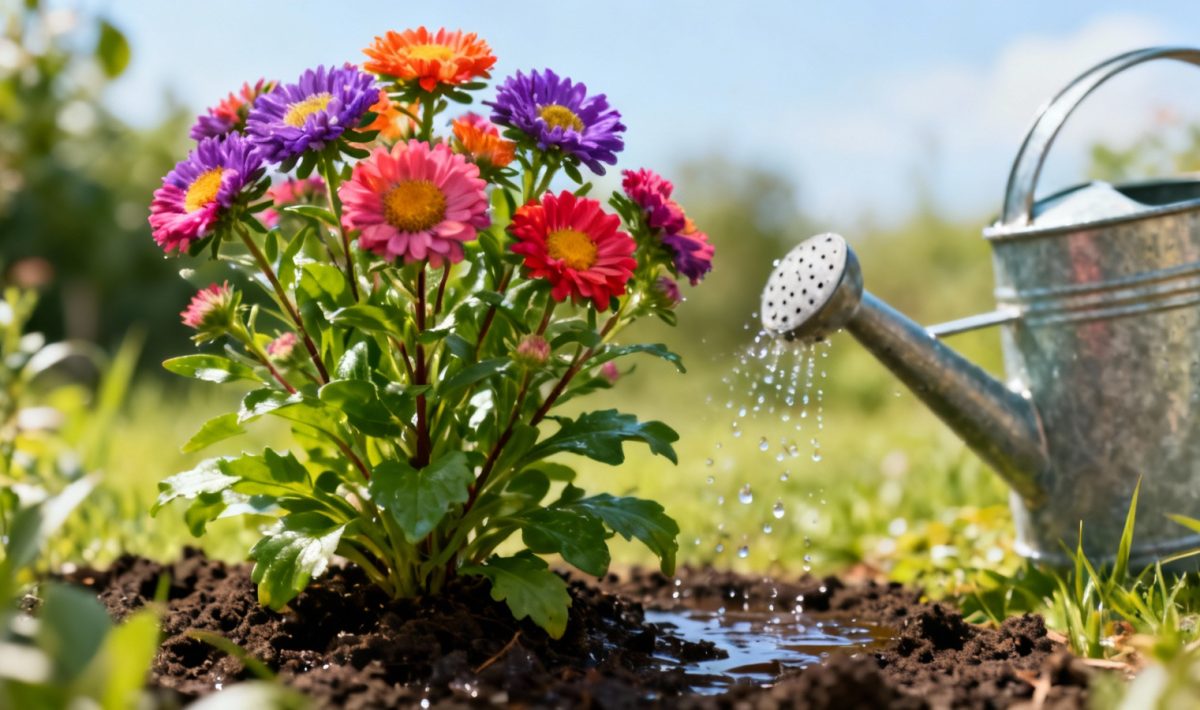
How often should you water your china aster for vibrant blooms
China asters, or Callistephus chinensis, are stunning ornamental flowers that bring vibrant color to any garden. These amazing plants produce beautiful blooms in shades of pink, red, white, and purple, making them perfect for both flower beds and container gardening. However, knowing how often should you water your China aster is crucial for their success and longevity.
Understanding the proper watering schedule for these Chinese flowering plants will ensure your garden displays the most vibrant and healthy blooms throughout the growing season.
China asters require consistent moisture but are surprisingly adaptable to different soil conditions. These plants thrive with regular watering that maintains soil moisture without creating waterlogged conditions. The key is finding the right balance that keeps your flowers healthy while preventing root rot.
Well-drained soil is essential for China asters, as they cannot tolerate standing water around their root systems. During the growing season, these ornamental plants typically need watering 2-3 times per week, depending on weather conditions and soil type.
Factors that influence watering frequency
Soil type and drainage
The type of soil in your garden significantly affects how often you should water your China aster. Sandy soils drain quickly and may require more frequent watering, while clay soils retain moisture longer and need less frequent irrigation.
For optimal results, amend heavy soils with organic matter to improve drainage. This creates the perfect environment where water penetrates well but doesn’t pool around the plant roots.
Weather and seasonal conditions
Hot, dry weather increases water needs dramatically, while cool, humid conditions reduce watering requirements. During summer heat waves, you may need to water daily to keep your China asters thriving. Just as with watering tomatoes during a heatwave, extreme temperatures call for adjusted watering schedules.
Spring and fall typically require less frequent watering due to cooler temperatures and higher humidity levels. Monitor weather forecasts to adjust your watering schedule accordingly.
Watering techniques for optimal growth
Best timing for watering
Water your China asters early in the morning or late in the evening to minimize evaporation and give plants time to absorb moisture before the heat of the day. This timing also reduces the risk of fungal diseases that can develop when water sits on leaves during warm, humid conditions.
Avoid watering during the hottest part of the day, as this can cause rapid evaporation and potentially stress the plants.
Proper watering methods
Water at the base of the plant rather than from above to keep foliage dry and prevent disease issues. Use a soaker hose or drip irrigation system for the most efficient water delivery.
Deep, less frequent watering encourages stronger root development compared to shallow, frequent watering. This approach helps plants become more drought-tolerant and resilient.
Signs your China asters need water
Learning to recognize when your plants need water is crucial for successful gardening. Wilting leaves are the most obvious sign, but you should water before plants reach this stressed state.
Check soil moisture by inserting your finger 1-2 inches into the soil near the plant base. If the soil feels dry at this depth, it’s time to water. Similar principles apply to many houseplants, such as knowing watering your parlor palm correctly for indoor gardening success.
Slightly drooping flowers or leaves in the afternoon heat, followed by recovery in cooler evening temperatures, indicates the plant is managing water stress but could benefit from additional moisture.
Container growing considerations
China asters grown in pots require more frequent watering than those planted in garden soil. Container plants can dry out quickly, especially in hot weather or windy conditions.
Check container plants daily during warm weather and water when the top inch of soil feels dry. Ensure pots have drainage holes to prevent waterlogging, and consider using a well-draining potting mix designed for flowering plants.
Seasonal watering adjustments
Spring establishment
Newly planted China asters need consistent moisture to establish strong root systems. Water every 2-3 days for the first few weeks after planting, then gradually reduce frequency as plants become established.
Young seedlings are particularly sensitive to both drought and overwatering, so monitor soil moisture carefully during this critical period.
Summer maintenance
During peak growing season, established China asters typically need watering 2-3 times per week in average conditions. Increase frequency during heat waves or extended dry periods.
Mulching around plants helps retain soil moisture and reduces watering frequency. Apply a 2-3 inch layer of organic mulch, keeping it away from plant stems to prevent pest and disease issues.
Fall care
As temperatures cool and days shorten, reduce watering frequency but don’t stop entirely until plants go dormant. China asters benefit from continued moisture to support late-season blooming.
Overwatering is one of the most common mistakes gardeners make with China asters. These plants prefer slightly moist soil but cannot tolerate constantly wet conditions that lead to root rot.
Watering too frequently with small amounts creates shallow root systems that are more susceptible to drought stress. Instead, water deeply but less often to encourage strong, deep root development.
Inconsistent watering causes stress that can reduce bloom quality and plant health. Establish a regular schedule and stick to it, adjusting only for weather conditions.
Troubleshooting watering issues
If your China asters show signs of water stress despite regular watering, check for drainage problems or compacted soil that prevents water from reaching the roots.
Yellow or dropping leaves may indicate overwatering, while wilted, crispy foliage suggests underwatering. Adjust your watering practices based on these plant signals.
Consider that different plant species have varying water requirements, much like understanding caring for your sago palm requires specific knowledge about that plant’s unique needs.
Maximizing bloom production through proper watering
Consistent moisture levels throughout the growing season promote the most abundant and vibrant flower production in China asters. These plants produce their best blooms when they never experience severe water stress.
However, slight water stress just before blooming can actually intensify flower colors, so fine-tune your watering to achieve this balance.
Well-watered China asters not only produce more flowers but also have better disease resistance and overall plant vigor throughout the growing season.
Allan is a lifelong gardening enthusiast who still gets excited when the first seedlings pop up in spring. With a deep love for nature and a hands-in-the-soil approach, he shares practical tips, plant discoveries, and clever tricks picked up over years of digging, planting, and observing. Whether you’re a new gardener or have a shed full of tools, Allan writes like a neighbor who’s always happy to swap cuttings and stories over the fence.
You can find more about Allan’s work on Malt or connect with him on LinkedIn.