How much sunlight does Japanese cherry need for optimal flowering and growth
Growing Japanese cherry trees successfully begins with understanding their fundamental light requirements. These stunning sakura varieties demand specific conditions to produce their spectacular spring displays, and sunlight plays the most crucial role in their development.
Essential sunlight requirements for Japanese cherry trees
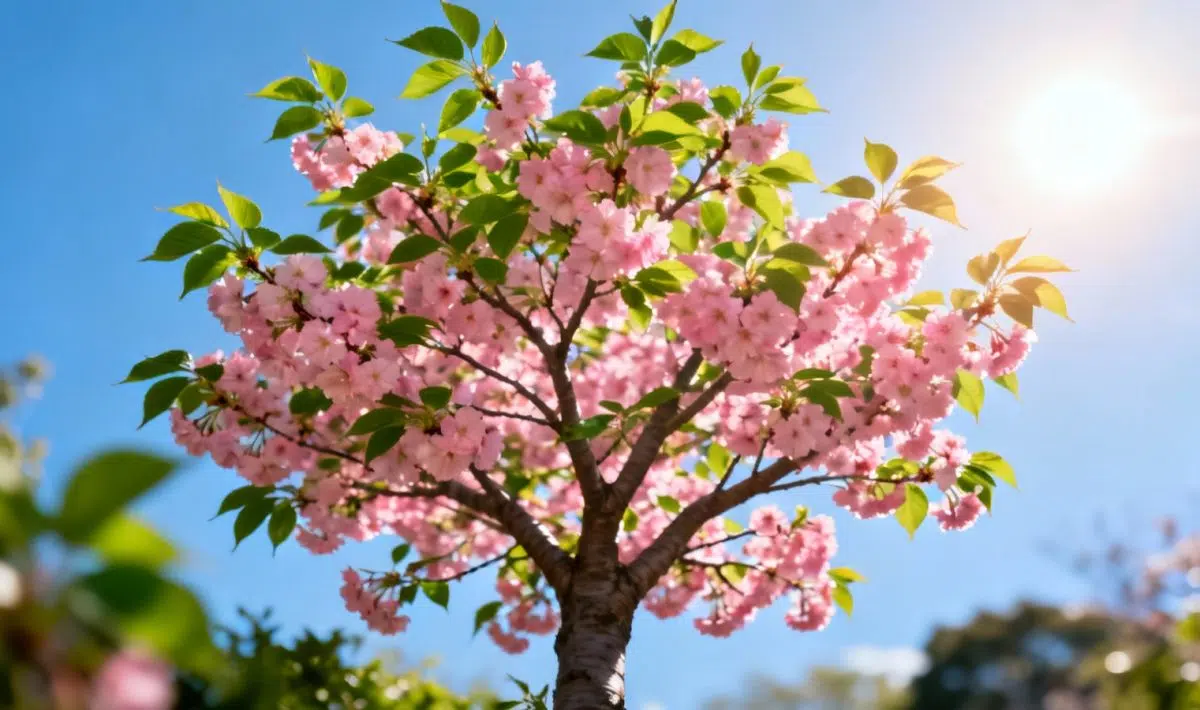
Japanese cherry trees thrive with a minimum of 6 to 8 hours of direct sunlight daily. This generous exposure ensures robust photosynthesis, which fuels both vegetative growth and the energy reserves needed for abundant flowering. Without adequate sun, these beautiful trees struggle to develop the carbohydrate stores essential for their iconic spring blooms.
The quality of light matters as much as quantity. Morning sunlight proves particularly beneficial, as it helps dry dew quickly from leaves and reduces fungal disease risks. However, in regions with intense afternoon heat, some protection during the hottest hours can actually extend the flowering period by preventing premature petal drop.
Different prunus varieties show varying tolerance levels for shade. While most Japanese flowering cherry types prefer full sun conditions, some cultivars can adapt to partial shade environments. Nevertheless, reduced light inevitably leads to fewer flower buds and potentially weaker branch structure over time.
Optimizing garden placement for maximum sun exposure
Selecting the right location in your garden significantly impacts your cherry tree’s health and flowering performance. South-facing positions typically provide the most consistent sunlight throughout the day, making them ideal for most sakura varieties. These spots receive steady illumination from sunrise to sunset during the growing season.
Consider surrounding structures and mature plants that might cast shadows. Buildings, fences, and large trees can create unexpected shade patterns that change throughout the day and seasons. Map your garden’s light patterns over several days to identify the brightest, most consistent spots available.
Wind protection also matters when choosing your planting location. While Japanese cherry trees need abundant sunlight, they benefit from some shelter against strong winds that can damage delicate blossoms and stress the tree. A location with morning sun protection and afternoon wind shelter often works perfectly.
Seasonal light considerations
Understanding how seasonal changes affect light availability helps you plan better care for your cherry trees. During winter months, deciduous trees nearby lose their leaves, potentially providing more light to your sakura. This timing works well since cherry trees are dormant and preparing for spring growth.
Spring brings the critical flowering period when consistent sunlight becomes most important. Just as sunlight requirements for strawberry plants vary by season, cherry trees need unobstructed light during bud break and flowering. Any sudden shade during this period can reduce bloom quality and duration significantly.
Summer heat requires careful monitoring. While full sun remains beneficial, some afternoon protection in extremely hot climates prevents leaf scorch and water stress. Many successful gardeners create light filtering systems using shade cloth during peak summer months while maintaining morning sun exposure.
Practical tips for maximizing light exposure
Regular pruning helps maintain optimal light penetration throughout the tree canopy. Remove crossing branches, dead wood, and weak growth to allow sunlight to reach interior leaves and branches. This practice improves overall tree health and encourages flower bud development throughout the crown.
Ground reflection can supplement natural sunlight, particularly useful in partially shaded areas. Light-colored mulches, pale stones, or even strategically placed mirrors can bounce additional light onto lower branches. However, avoid creating hot spots that might stress the tree during summer months.
Companion planting requires careful consideration of mature plant sizes. Low-growing perennials and bulbs work well beneath cherry trees without competing for light. Taller plants should be positioned where they won’t eventually shade your tree as they grow.
Container growing considerations
Growing Japanese cherry trees in pots offers flexibility for light management. You can move containers to follow the sun throughout the day or relocate them seasonally for optimal exposure. This approach works particularly well for dwarf sakura varieties that adapt well to container culture.
Choose containers large enough for root development while remaining manageable for moving. Dark-colored pots can overheat root systems in full sun, so consider lighter colors or provide some pot protection during the hottest part of the day.
Similar to sunlight needs for common selfheal in garden settings, potted cherry trees may need more frequent monitoring for water stress since containers dry out faster than garden soil, especially in full sun positions.
Signs of inadequate or excessive light exposure
Recognizing light-related stress helps you adjust your tree’s growing conditions before serious problems develop. Insufficient sunlight typically manifests as sparse flowering, elongated weak growth, and pale green foliage. Trees in too much shade often develop thin, spindly branches that struggle to support even limited flower production.
Conversely, excessive sun exposure can cause leaf burn, particularly on young trees or recently transplanted specimens. Brown leaf edges, wilting during cool weather, and premature leaf drop often indicate too much direct sunlight without adequate moisture or protection.
Monitor your tree’s response throughout the growing season. Healthy Japanese cherry trees in optimal light conditions develop strong, well-spaced branches with abundant flower buds forming by late summer. Just as optimal sunlight for maize growth requires specific conditions, cherry trees show clear signs when their light needs are properly met.
Adjusting care based on light conditions
Trees receiving marginal sunlight benefit from enhanced soil nutrition and consistent moisture to compensate for reduced photosynthesis. Regular feeding with balanced fertilizer helps support energy production in lower light conditions, though it cannot completely substitute for adequate sun exposure.
In high-light situations, increase watering frequency and consider providing some afternoon shade during extreme heat waves. Mulching around the root zone helps retain soil moisture and keeps roots cool, supporting overall tree health in bright conditions.
Understanding these balance points becomes particularly important when growing multiple plant types in the same garden space. For instance, sunlight requirements for Heart of Jesus differ significantly from sakura needs, requiring thoughtful garden design to accommodate both successfully.
Japanese cherry trees reward proper light management with spectacular annual displays that justify the attention to their specific requirements. By understanding and providing their sunlight needs, you create the foundation for years of beautiful spring flowering and healthy tree development in your garden space.
Allan is a lifelong gardening enthusiast who still gets excited when the first seedlings pop up in spring. With a deep love for nature and a hands-in-the-soil approach, he shares practical tips, plant discoveries, and clever tricks picked up over years of digging, planting, and observing. Whether you’re a new gardener or have a shed full of tools, Allan writes like a neighbor who’s always happy to swap cuttings and stories over the fence.
You can find more about Allan’s work on Malt or connect with him on LinkedIn.