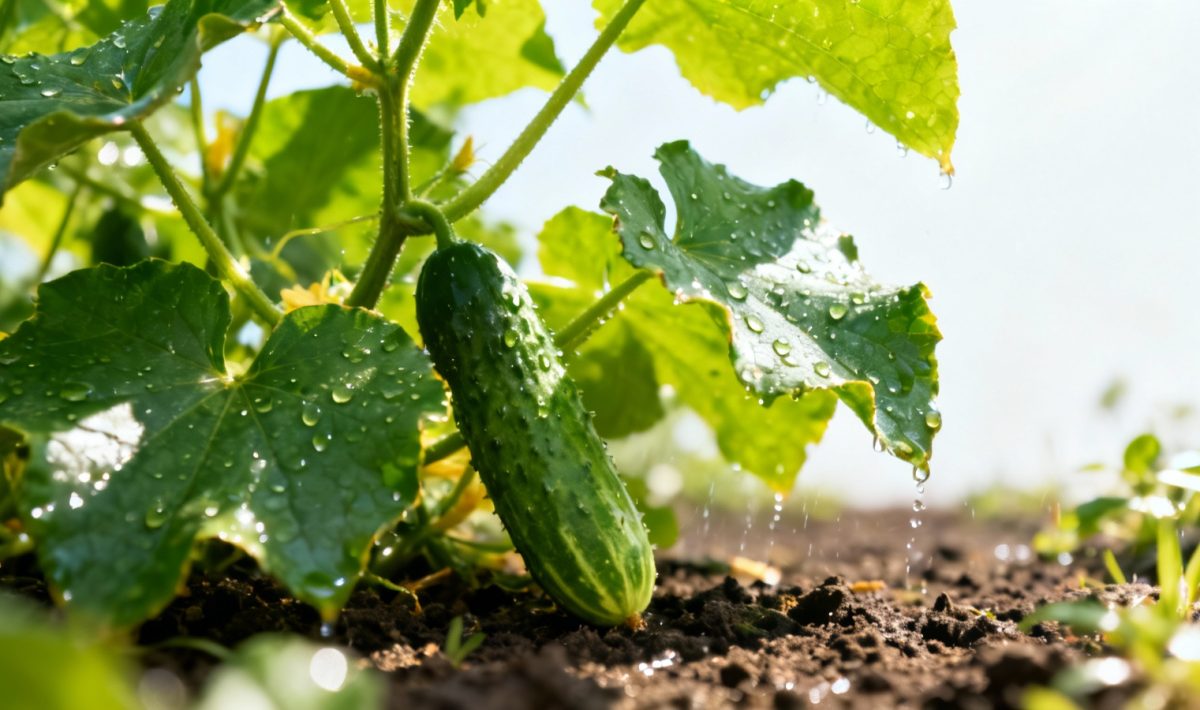
How often should you water your cucumber plants for healthy growth
Growing cucumbers successfully starts with understanding their unique water needs. These thirsty plants demand consistent moisture, but finding the right balance between too much and too little water can make the difference between a thriving harvest and struggling plants. Getting the watering schedule right isn’t complicated once you understand the key principles that govern cucumber hydration.
Cucumbers are among the most water-hungry vegetables in your garden, consisting of about 96% water themselves. They need steady moisture throughout their growing season, but the frequency depends on several crucial factors. Weather conditions, soil type, and plant size all influence how often you should reach for that watering can.
Young cucumber plants require more frequent but lighter watering sessions compared to established ones. During their first few weeks, check the soil every day and water when the top inch feels dry. As they mature, you can space out watering sessions while increasing the amount of water per session.
How often should you water your cucumber plants
Most cucumber plants thrive with deep watering every 2-3 days rather than daily light sprinklings. This schedule allows the soil to maintain consistent moisture without becoming waterlogged. However, during particularly hot spells above 85°F, you might need to water them every day to prevent stress.
The key is monitoring your soil rather than following a rigid schedule. Stick your finger about 2 inches into the soil near the base of your plants. If it feels dry at that depth, it’s time to water. If it still feels moist, wait another day before checking again.
Container-grown cucumbers need more frequent attention since pots dry out faster than garden beds. These plants might require daily watering during peak summer heat, especially if they’re in smaller containers.
Best watering techniques for healthy cucumber growth
When you water cucumbers, aim for the soil around the base rather than splashing water on the leaves. Wet foliage invites fungal diseases that can quickly damage or kill your plants. Early morning watering gives plants time to absorb moisture before the heat of the day sets in.
Deep, thorough watering encourages roots to grow deeper into the soil, making plants more drought-resistant. Apply water slowly so it can penetrate the soil rather than running off the surface. A soaker hose or drip irrigation system works wonderfully for maintaining steady moisture levels.
Using rainwater when possible provides the best hydration for your cucumber plants. It’s naturally soft and free from chemicals that might stress sensitive plants. Just like with optimal watering for Monterey cypress , collecting rainwater in barrels gives you an eco-friendly water source that plants prefer over treated tap water.
Managing soil conditions for optimal water retention
The type of soil in your garden dramatically affects how often you’ll need to water. Sandy soils drain quickly and require more frequent watering, while clay soils hold moisture longer but can become waterlogged easily. Most cucumber varieties prefer well-draining soil that retains some moisture without becoming soggy.
Adding organic matter like compost or aged manure improves both drainage and water retention. These materials help sandy soils hold onto moisture longer while improving drainage in heavy clay soils. A 2-3 inch layer of organic mulch around your plants also helps retain soil moisture between watering sessions.
Recognizing signs your cucumbers need water
Cucumber plants communicate their water needs through various visual cues. Wilting during the hottest part of the day is normal, but if plants remain wilted in the early morning or evening, they need immediate watering. Yellowing leaves, especially older ones at the bottom, often indicate inconsistent watering patterns.
Stunted growth or bitter-tasting fruits suggest water stress, while overly soft or splitting cucumbers indicate too much water too quickly. Learning to read these signals helps you adjust your watering schedule before problems become serious.
Check the soil regularly rather than relying only on plant appearance. By the time cucumbers show obvious stress signs, they may have already suffered damage that affects fruit quality and overall yield.
Common watering mistakes to avoid
Many gardeners make the mistake of watering little and often, which encourages shallow root growth. Instead, water deeply but less frequently to promote strong, deep root systems. Another common error is inconsistent watering – going from bone dry to soaking wet stresses plants unnecessarily.
Overhead sprinklers might seem convenient, but they waste water through evaporation and increase disease risk. Focus water delivery at soil level where plants can actually use it. Also avoid watering during the hottest part of the day when much of the water evaporates before plants can benefit from it.
Adjusting watering for different growth stages
Seedlings and young plants need lighter, more frequent watering to establish their root systems. Once plants reach about 6 inches tall with several true leaves, you can transition to the standard 2-3 day schedule. During flowering and fruit development, maintain consistent moisture to prevent stress that could affect fruit quality.
As harvest season progresses, continue regular watering even as some older leaves begin yellowing naturally. Consistent moisture throughout the growing season ensures continuous fruit production until the first frost ends the season.
Remember that every garden situation is unique, so use these guidelines as starting points while observing your specific plants and conditions. With attention to soil moisture and plant signals, you’ll develop an intuitive sense for when your cucumber plants need water, leading to healthier plants and better harvests.
Allan is a lifelong gardening enthusiast who still gets excited when the first seedlings pop up in spring. With a deep love for nature and a hands-in-the-soil approach, he shares practical tips, plant discoveries, and clever tricks picked up over years of digging, planting, and observing. Whether you’re a new gardener or have a shed full of tools, Allan writes like a neighbor who’s always happy to swap cuttings and stories over the fence.
You can find more about Allan’s work on Malt or connect with him on LinkedIn.