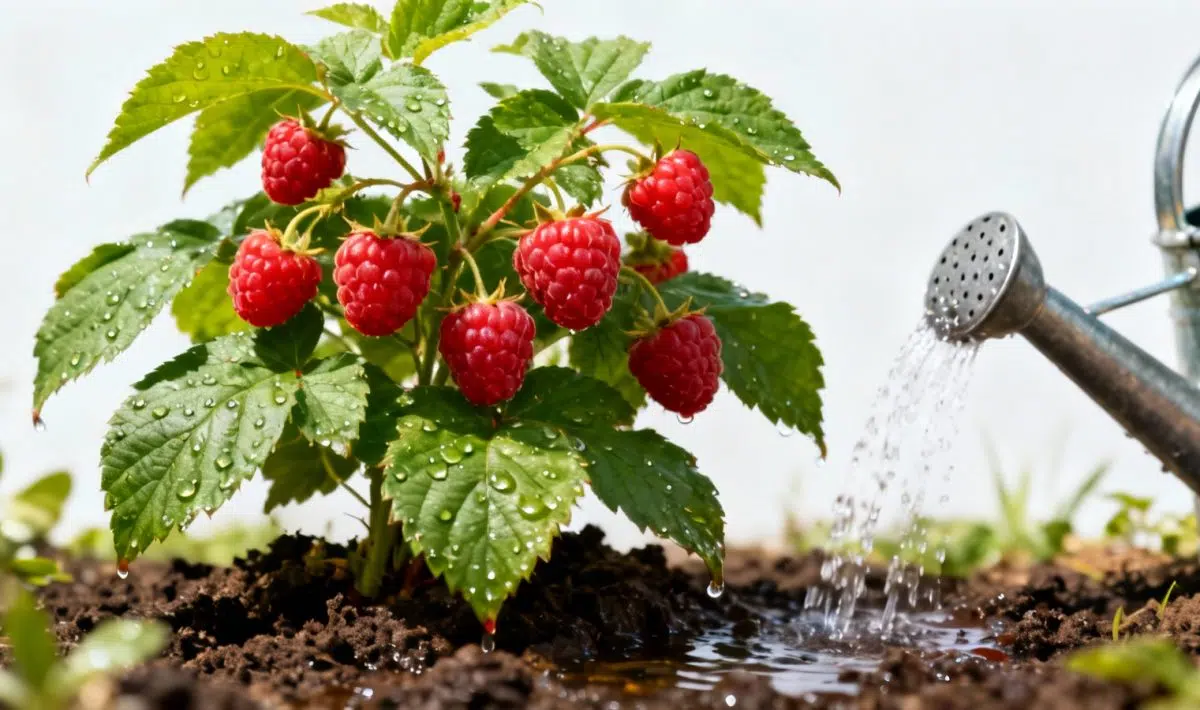
Getting the watering schedule right for your red raspberry plants can make the difference between a mediocre harvest and an abundance of plump, flavorful fruit. These plants are surprisingly thirsty, especially during their growing season. Understanding how often should you water your red raspberry plants starts with recognizing their unique needs throughout different growth stages.
Red raspberries require consistent moisture but absolutely despise waterlogged conditions. The key lies in finding that sweet spot where the soil stays evenly moist without becoming soggy. During peak growing season, you’ll typically need to water 2-3 times per week, providing about 2.5 to 3.8 cm of water weekly through rainfall and irrigation combined.
The type of soil you’re working with plays a huge role in determining your watering schedule. Sandy soils drain quickly and may require daily watering during hot spells, while clay soils hold moisture longer but can become waterlogged easily. Testing your soil’s drainage before planting helps you plan an effective watering strategy from the start.
Signs your raspberry plants need water
Rather than sticking to a rigid schedule, learning to read your plants’ signals proves far more effective. Wilted leaves during cooler morning hours indicate immediate water stress, while fruit that’s smaller than usual often points to insufficient moisture during the critical growing phase.
Check the soil moisture by inserting your finger about 2-3 inches deep near the base of the plant. If the soil feels dry at this depth, it’s time to water. This simple test becomes second nature once you develop the habit, and it’s far more reliable than guessing based on surface appearance.
The color and texture of your raspberry leaves also provide valuable clues. Healthy plants maintain vibrant green foliage with a slight sheen. When water-stressed, leaves often develop a dull, grayish-green color and may feel slightly crispy to the touch.
Seasonal watering adjustments
Spring watering focuses on supporting new growth and root establishment. As temperatures rise and daylight hours increase, gradually increase your watering frequency. This is when your plants are putting energy into developing new canes and establishing their root systems for the coming season.
Summer brings the highest water demands, particularly during fruit development and ripening. Hot, sunny days can quickly stress raspberry plants, so you might need to water every other day or even daily during heat waves. Early morning watering helps plants cope with afternoon heat stress.
Fall watering should gradually decrease as plants prepare for dormancy. However, don’t completely stop watering until the ground freezes. Plants still need moisture to properly harden off for winter, and adequate fall watering helps prevent winter damage from desiccation.
Efficient watering techniques for raspberry plants
Deep, infrequent watering encourages strong root development better than frequent shallow watering. When you do water, soak the soil thoroughly to a depth of at least 6-8 inches. This approach trains roots to grow deeper, making plants more drought-tolerant over time.
Drip irrigation systems work exceptionally well for raspberry patches. These systems deliver water directly to the root zone, minimizing water waste and reducing the risk of fungal diseases that can develop when foliage stays wet. Much like proper watering for pomegranate health, consistent moisture delivery proves crucial for fruit quality.
Mulching around your raspberry plants helps retain soil moisture and reduces watering frequency. Apply a 2-3 inch layer of organic mulch like straw, wood chips, or shredded leaves around the base of plants, keeping mulch about 2 inches away from the main stems to prevent pest issues.
Morning vs evening watering
Morning watering is generally preferred for raspberry plants because it allows foliage to dry quickly, reducing the risk of fungal diseases. Watering between 6-10 AM gives plants time to absorb moisture before the heat of the day while ensuring leaves dry completely.
Evening watering can be acceptable in very hot climates where morning watering might not provide enough moisture to last through intense afternoon heat. However, avoid late evening watering that leaves foliage wet overnight, as this creates ideal conditions for disease development.
During extremely hot weather, you might need to provide supplemental watering in late afternoon to help plants recover from heat stress. Focus this additional water on the soil around the base rather than wetting the entire plant.
Avoiding common watering mistakes
Overwatering ranks among the most common mistakes new raspberry growers make. Soggy soil conditions lead to root rot, reduced fruit quality, and increased susceptibility to diseases. If water pools around your plants after watering, you’re either applying too much at once or your soil drainage needs improvement.
Inconsistent watering creates stress that reduces both fruit quantity and quality. Plants that experience drought stress followed by heavy watering often develop cracked fruit or drop berries prematurely. Maintaining steady moisture levels throughout the growing season produces the best results.
Watering only the surface while roots remain dry is another frequent error. Light, frequent sprinkling encourages shallow root growth and makes plants more vulnerable to drought stress. Similar principles apply to other garden plants, as seen in guidance for watering red valerian for best blooms.
Water quality considerations
The quality of water you use can significantly impact plant health and fruit flavor. Rainwater is ideal because it’s naturally soft and free from chemicals found in treated municipal water. If you must use tap water, let it sit for 24 hours to allow chlorine to evaporate before applying to plants.
Hard water containing high levels of minerals can build up in soil over time, potentially affecting nutrient availability. If you suspect water quality issues, consider having your water tested and look into filtration options or rainwater collection systems.
Water temperature also matters. Very cold water can shock plant roots, while water that’s been sitting in hot hoses can damage delicate feeder roots. Room temperature or slightly cool water works best for most watering applications.
Maximizing fruit quality through proper hydration
Consistent moisture during fruit development directly impacts the size, sweetness, and overall quality of your raspberry harvest. Irregular watering during the fruiting period often results in small, hard berries with poor flavor development.
The period from flower formation through fruit ripening represents the most critical time for maintaining adequate soil moisture. Even brief drought stress during this phase can permanently reduce fruit size and sugar content. Just as optimal care for scarlet-star growth requires attention to moisture needs, raspberries demand consistent care during fruiting.
Monitor soil moisture more closely as harvest approaches. Fruit that’s developing under optimal moisture conditions will be larger, juicier, and have better shelf life after picking. The extra attention you pay to watering during this crucial period pays dividends in harvest quality.
Adjusting for container-grown raspberries
Container-grown raspberry plants require more frequent watering than those planted in the ground. Pots dry out much faster, especially in hot, windy conditions. You might need to water container plants daily during summer months, checking soil moisture every morning.
Choose containers with adequate drainage holes and use a high-quality potting mix that retains moisture while allowing excess water to escape. Adding water-retaining crystals to the potting mix can help reduce watering frequency while maintaining consistent moisture levels.
Consider using drip irrigation or self-watering containers for easier maintenance of container-grown raspberries. These systems help maintain consistent moisture without the daily attention that hand-watering requires, similar to efficient practices used for best practices for watering cabbage.
Creating a sustainable watering routine
Developing a sustainable watering routine starts with understanding your local climate patterns and seasonal rainfall. Keep a simple garden journal noting when you water, how much rainfall you receive, and how your plants respond. This information helps you fine-tune your approach over time.
Installing a rain gauge helps you track natural precipitation so you can adjust supplemental watering accordingly. Many raspberry growers find that combining measured rainfall with targeted irrigation provides the most efficient water use while maintaining optimal growing conditions.
Consider grouping your raspberry plants with other crops that have similar water requirements. This approach simplifies irrigation management and ensures more efficient water use across your entire garden space. Planning your garden layout with water needs in mind saves time and resources in the long run.
Allan is a lifelong gardening enthusiast who still gets excited when the first seedlings pop up in spring. With a deep love for nature and a hands-in-the-soil approach, he shares practical tips, plant discoveries, and clever tricks picked up over years of digging, planting, and observing. Whether you’re a new gardener or have a shed full of tools, Allan writes like a neighbor who’s always happy to swap cuttings and stories over the fence.
You can find more about Allan’s work on Malt or connect with him on LinkedIn.