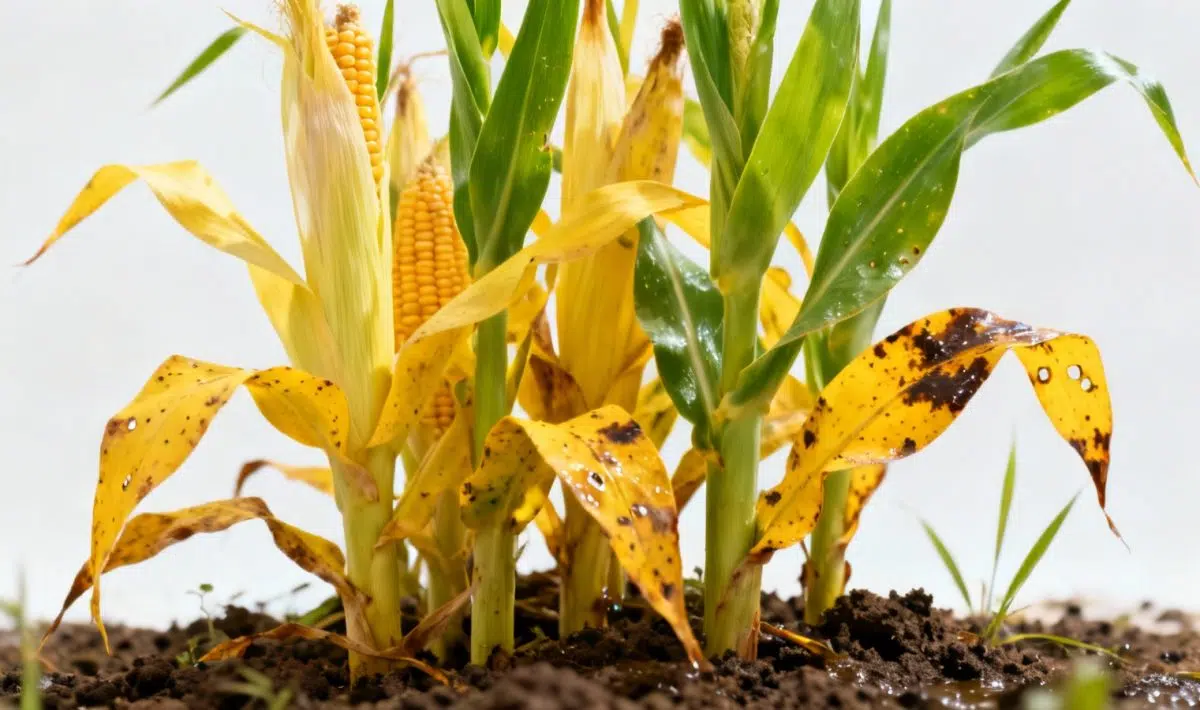
Why are my cornflower leaves turning yellow – common causes and quick fixes
Nothing’s more frustrating than watching your beautiful cornflowers develop yellow leaves when they should be thriving with vibrant blue blooms. This common issue can stem from several factors, but the good news is that most causes are easily fixable with the right approach.
Yellow leaves on cornflowers typically indicate stress from environmental conditions or care practices that need adjustment. Understanding these causes helps you take swift action to restore your plant’s health and prevent future problems.
Over-watering ranks as the number one reason why cornflower leaves turn yellow. These hardy plants prefer well-draining soil and can’t tolerate soggy conditions around their roots. When soil stays consistently wet, roots begin to rot and can’t absorb nutrients properly.
You’ll notice yellowing starts from the bottom leaves and works its way up the plant. The soil may also develop a musty smell, which indicates root rot has begun. Check your watering frequency and ensure your containers have drainage holes.
Conversely, severe under-watering can also cause yellowing, though this typically affects all leaves simultaneously rather than starting from the bottom. The plant conserves water by dropping older leaves first.
✅ Quick Checklist
Is the soil too wet or too dry?
Is the plant getting 6+ hours of sunlight daily?
Have you fertilized in the last 2 months?
Are there visible pests under the leaves?
Does the pot have adequate drainage?
🔥 FREE
📱
Diagnose your plant in one click!
AI instant diagnosis • Personalized solutions • 50,000+ species
Nitrogen deficiency commonly causes lower leaves to yellow while upper growth remains green. This natural process occurs when the plant moves nitrogen from older leaves to support new growth, but it can be accelerated by poor soil nutrition.
Iron deficiency creates a different pattern – newer leaves turn yellow while veins stay green, creating a distinctive striped appearance. This often happens in alkaline soils where iron becomes less available to plant roots.
Potassium deficiency typically shows as yellowing leaf edges that may eventually turn brown and crispy. You’ll see this most clearly on mature leaves before it affects younger growth.
Environmental stress factors
Insufficient sunlight can cause cornflowers to develop pale, yellowing leaves as they struggle to photosynthesize effectively. These sun-loving plants need at least 6 hours of direct sunlight daily to maintain healthy green foliage.
Temperature stress from extreme heat or unexpected cold snaps can also trigger yellowing. Cornflowers are generally hardy, but sudden temperature changes shock the plant and cause leaf discoloration.
Poor air circulation around plants creates humid conditions that encourage fungal diseases, which often manifest as yellowing leaves with dark spots or fuzzy growth.
How to fix yellowing cornflower leaves
Adjust your watering routine
Test soil moisture by inserting your finger 2 inches deep – it should feel slightly moist but not soggy. Water only when the top inch of soil feels dry to the touch, typically every 2-3 days in warm weather.
Improve drainage by adding organic matter like compost or perlite to heavy clay soils. For container plants, ensure pots have multiple drainage holes and use a well-draining potting mix.
Water deeply but infrequently to encourage strong root development. Apply water directly to the soil around the base rather than overhead watering, which can promote fungal diseases.
Address nutrient imbalances
Apply a balanced fertilizer with equal parts nitrogen, phosphorus, and potassium every 4-6 weeks during the growing season. Look for a formula like 10-10-10 or 20-20-20 that provides comprehensive nutrition.
For iron deficiency, use chelated iron supplements or lower soil pH naturally with organic matter like pine needles or coffee grounds. This helps make iron more available to plant roots.
Organic compost provides slow-release nutrients and improves soil structure, making it easier for roots to absorb essential minerals. Work 2-3 inches into the soil around established plants.
Treat pest and disease issues
Inspect plants weekly for common pests like aphids, spider mites, or thrips that can cause yellowing through feeding damage. Look on leaf undersides where many pests prefer to hide.
Remove affected leaves immediately and dispose of them away from healthy plants to prevent disease spread. Similar yellowing patterns affect other plants too – for example, treating yellowing pomegranate leaves requires identifying whether the cause is environmental or pathogenic.
Apply neem oil or insecticidal soap for pest control, following package directions carefully. These organic options effectively manage most common garden pests without harsh chemicals.
Prevention strategies for healthy cornflowers
Choose the right growing location
Plant cornflowers in full sun locations with well-draining soil for optimal health. Avoid low-lying areas where water collects after rain, as this promotes root rot and yellowing.
Space plants adequately to ensure good air circulation – typically 6-12 inches apart depending on the variety. Crowded plants compete for resources and are more susceptible to fungal diseases.
Consider soil pH, as cornflowers prefer slightly acidic to neutral conditions (pH 6.0-7.0). Test your soil and amend if necessary to create optimal growing conditions.
✅ Quick Checklist
Is the soil too wet or too dry?
Is the plant getting 6+ hours of sunlight daily?
Have you fertilized in the last 2 months?
Are there visible pests under the leaves?
Does the pot have adequate drainage?
🔥 FREE
📱
Diagnose your plant in one click!
AI instant diagnosis • Personalized solutions • 50,000+ species
Monitor plants regularly for early signs of stress or disease. Weekly inspections help you catch problems before they become serious and cause widespread yellowing.
Deadhead spent flowers to encourage continued blooming and prevent the plant from putting energy into seed production. This keeps more resources available for healthy leaf growth.
Many herbs face similar challenges with leaf yellowing – addressing yellow peppermint leaves often involves similar care adjustments around watering and soil drainage.
Seasonal care considerations
Reduce watering frequency in cooler months when plant growth slows and soil takes longer to dry out. Over-watering becomes more problematic during this period.
Apply mulch around plants to regulate soil temperature and moisture levels throughout the growing season. Organic mulches like straw or shredded leaves work well for cornflowers.
Clean up garden debris regularly to eliminate overwintering sites for pests and disease organisms that can cause problems the following year. This simple practice significantly reduces yellowing issues from pathogenic causes.
Allan is a lifelong gardening enthusiast who still gets excited when the first seedlings pop up in spring. With a deep love for nature and a hands-in-the-soil approach, he shares practical tips, plant discoveries, and clever tricks picked up over years of digging, planting, and observing. Whether you’re a new gardener or have a shed full of tools, Allan writes like a neighbor who’s always happy to swap cuttings and stories over the fence.
You can find more about Allan’s work on Malt or connect with him on LinkedIn.