
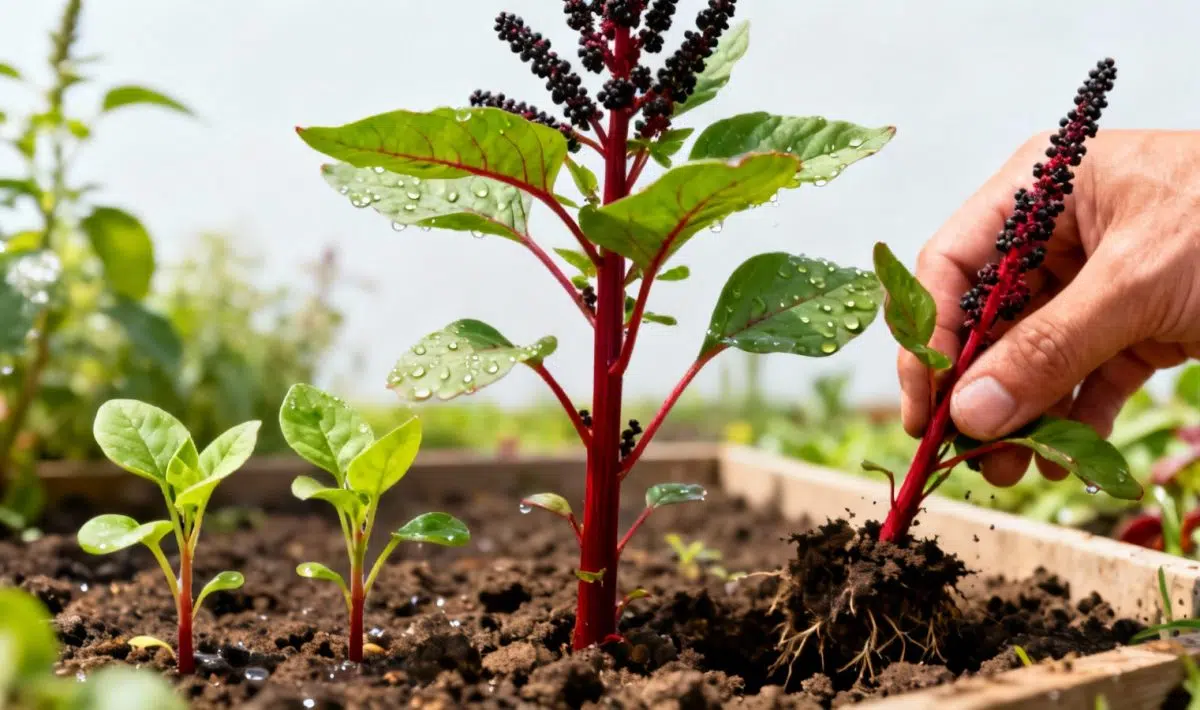
Redroot amaranth (Amaranthus retroflexus) stands as one of nature’s most resilient and controversial plants. This robust annual herb from North America has spread across continents, earning both admiration and frustration from gardeners and farmers alike. While many consider it an aggressive weed, others appreciate its remarkable adaptability and surprising benefits.
Understanding redroot amaranth characteristics
The plant displays distinctive features that make identification straightforward. Its sturdy tige can reach impressive heights of over two meters when left unpruned, developing a characteristic reddish coloration at the base that gives the species its common name. The feuilles present an oval to diamond shape, measuring 3-6 inches in length, with a deep green color and noticeable poils along the lower leaf veins.
During summer months, the amarante produces clusters of small green fleurs arranged in dense panicles or spikes. These monoecious blooms include both mâles and female flowers on the same plant, relying on wind pollination for reproduction. As mentioned in guides about care for evergreen azaleas effectively, proper plant identification forms the foundation of successful garden management.
The remarkable reproductive capacity of this amaranth species becomes evident through its massive seed production. A single mature plante can generate up to 117,000 tiny black graines, each measuring barely 1-2 millimeters in diameter. These seeds develop within small capsules that split open when ripe, dispersing their contents over considerable distances.
Cultivation requirements and growing conditions
Amaranthus retroflexus thrives in diverse soil conditions, though it particularly favors well-drained, fertile ground. The plant demonstrates exceptional tolerance for various sol types, from clay to sandy loam, adapting its root system accordingly. Full sun exposure of at least six hours daily promotes optimal growth and flowering.
Temperature requirements remain relatively flexible, with the plant germinating readily when soil temperatures reach 60-70°F (15-21°C). Like techniques used for successful potato cultivation methods, timing plays a crucial role in amaranth management and cultivation success.
Water needs vary throughout the growing season, with young plants requiring consistent moisture for establishment. Once mature, the deep taproot system allows remarkable drought tolerance, making redroot amaranth particularly resilient during dry spells that stress other garden plants.
Soil preparation and planting techniques
Preparing the growing area involves creating loose, well-aerated soil that promotes healthy root development. The racine system of amaranth develops both laterally and vertically, requiring adequate space for expansion. Incorporating organic matter improves soil structure and provides essential nutrients for vigorous growth.
Direct seeding works best for this species, as the small graines establish more reliably when sown directly into prepared beds. Scatter seeds lightly across the surface, covering with no more than 1/4 inch of fine soil or compost.
Propagation methods and timing
The primary propagation method for Amaranthus retroflexus involves seed collection and planting. Harvest mature graines in late summer or early fall when the seed heads turn brown and begin splitting naturally. Store collected seeds in cool, dry conditions to maintain viability for future plantings.
Spring sowing typically yields the best results, with germination occurring within 7-14 days under favorable conditions. Similar to practices outlined for growing common borage in gardens, proper timing ensures optimal establishment and growth.
While less common, stem cuttings can occasionally root in moist conditions, though this method proves less reliable than seed propagation. Young, tender shoots taken in early summer show the highest success rates for vegetative reproduction.
Managing growth and development
Regular monitoring helps control the plant’s tendency toward aggressive expansion. Pinching growing tips encourages bushier growth while preventing excessive height that can overwhelm neighboring plantes. This practice also delays flowering, extending the harvest period for edible feuilles.
The species responds well to moderate fertilization, though excessive nitrogen can promote rapid, weak growth susceptible to lodging. Balanced feeding supports steady development without encouraging invasive tendencies that concern many gardeners.
Environmental impact and control strategies
Understanding the ecological implications of redroot amaranth helps inform management decisions. In agricultural settings, dense populations can significantly reduce crop yields through resource competition. The plant’s rapid growth rate and extensive root system allow it to outcompete many desirable espèces for water, nutrients, and space.
However, the amarante also provides benefits to local ecosystems. Its abundant seed production feeds numerous bird species, while the dense foliage offers shelter for beneficial insects. Much like considerations for tips for clematis vitalba care, balancing ecological benefits with management needs requires careful planning.
Effective control strategies include both preventive and active management approaches. Early detection and removal before seed set prevents population explosions that can overwhelm garden spaces. Hand pulling works well for small infestations, particularly when soil moisture facilitates complete root removal.
Integrated management approaches
Combining multiple control methods proves more effective than relying on single approaches. Cultural practices like crop rotation, cover cropping, and competitive planting help suppress amaranth establishment naturally. These techniques mirror successful strategies used for growing the sugarberry tree successfully, where ecosystem-based approaches yield better long-term results.
Regular cultivation disrupts seedling development while maintaining soil health for desired cultures. Timing cultivation activities to coincide with peak germination periods maximizes effectiveness while minimizing soil disturbance.
Mulching provides excellent suppression of amaranth seedlings while conserving moisture for established plants. Organic mulches break down gradually, improving soil structure and supporting beneficial microbial communities that naturally compete with weed species.
Practical uses and benefits
Despite its reputation as a troublesome weed, redroot amaranth offers several practical applications. Young feuilles provide nutritious greens rich in vitamins A and C, iron, and calcium. Harvest tender leaves before the plant begins flowering for the best flavor and texture.
The mature graines, though small, contain high-quality protein and can be ground into flour or cooked like quinoa. Traditional cultures have utilized amaranth species for centuries as both food and medicine, recognizing their exceptional nutritional value.
In garden settings, the plant’s deep roots can help break up compacted sol layers while adding organic matter when composted. This soil-improving quality relates to principles discussed in successful tree aeonium care tips, where understanding plant-soil interactions enhances overall garden health.
Wildlife benefits include providing late-season pollen sources for beneficial insects and abundant seeds for birds during fall migration periods. These ecological services contribute to garden biodiversity while supporting local wildlife populations.
Harvesting and utilization
Timing harvest activities properly ensures maximum benefit from amaranth plants. Collect young feuilles in early morning when moisture content is highest, selecting tender growth from the top portions of the tige. Regular harvesting encourages continued leaf production while preventing the plant from reaching reproductive maturity.
For seed collection, monitor developing flower heads closely as they mature. Harvest when approximately 75% of the seeds have darkened, then dry thoroughly before storage. Proper handling maintains seed viability for both culinary use and future plantings, ensuring sustainable utilization of this remarkable amaranth species.

Allan is a lifelong gardening enthusiast who still gets excited when the first seedlings pop up in spring. With a deep love for nature and a hands-in-the-soil approach, he shares practical tips, plant discoveries, and clever tricks picked up over years of digging, planting, and observing. Whether you’re a new gardener or have a shed full of tools, Allan writes like a neighbor who’s always happy to swap cuttings and stories over the fence.
You can find more about Allan’s work on Malt or connect with him on LinkedIn.


