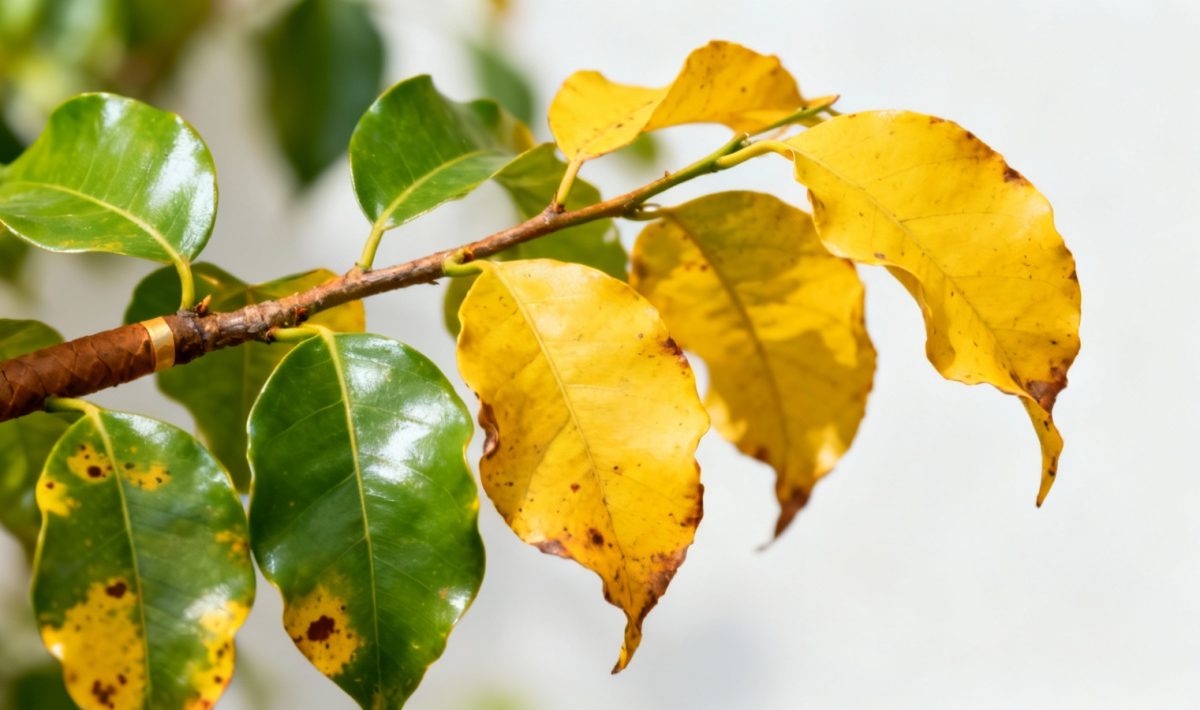
Why are my cigartree leaves turning yellow? Understanding causes and solutions
Seeing your cigartree’s vibrant green foliage turn yellow can be concerning, but this common issue has several identifiable causes and practical solutions. Yellow leaves on cigartrees often signal that your plant is experiencing stress from environmental factors, care issues, or natural processes. Understanding these underlying causes will help you restore your plant’s health and prevent future problems.
Most yellowing occurs when the plant cannot perform photosynthesis effectively, which may happen due to various factors such as improper watering, nutrient deficiencies, or environmental stress. Each cause requires a specific approach, and identifying the right one will save you time and ensure your cigartree thrives again.
Improper watering is the most frequent culprit behind yellowing cigartree leaves. Both overwatering and underwatering can cause this issue, but they affect the plant differently. Overwatering creates waterlogged conditions that prevent roots from accessing oxygen, leading to root rot and yellowing leaves that feel soft and mushy.
Underwatering, on the other hand, causes leaves to yellow from the bottom up as the plant conserves moisture for new growth. The soil will feel dry several inches down, and leaves may also appear crispy or brittle. Establishing a proper watering routine is essential for preventing both scenarios.
Nutrient deficiencies
Cigartrees require specific nutrients to maintain their green coloration and overall health. Nitrogen deficiency is particularly common and causes older leaves to turn yellow first, as the plant redirects available nitrogen to newer growth. This creates a distinctive pattern where yellowing begins at the base of the plant.
Iron deficiency causes a different type of yellowing called chlorosis, where leaves turn yellow but veins remain green. This condition often occurs in alkaline soils where iron becomes unavailable to the plant, even when present in adequate amounts.
Environmental factors affecting leaf color
Light conditions
Insufficient light is another major factor that can cause cigartree leaves to yellow. These plants typically need bright, indirect sunlight for at least six hours per day to maintain healthy photosynthesis. When placed in low-light areas, leaves gradually lose their green pigmentation and may eventually drop.
Conversely, too much direct sunlight can also cause yellowing, particularly during hot summer days. This type of light stress usually affects the leaves most exposed to intense rays, creating yellow or brown patches that indicate sunburn damage.
Temperature stress
Cigartrees are sensitive to temperature fluctuations, and extreme conditions can trigger leaf yellowing. Cold stress from temperatures below their tolerance range causes cellular damage that manifests as yellow or brown discoloration. Similarly, excessive heat combined with low humidity can stress the plant and affect leaf color.
Sudden temperature changes, such as moving a plant from indoors to outdoors without proper acclimatization, can also cause shock that results in yellowing leaves. Similar issues occur with other plants, as seen with cylindrical snake plant leaf issues, where environmental stress plays a significant role.
Disease and pest problems
Fungal infections
Various fungal diseases can cause cigartree leaves to turn yellow, often starting with small spots that gradually expand. Root rot is particularly problematic, as it affects the plant’s ability to absorb nutrients and water, leading to widespread yellowing and eventual leaf drop.
Leaf spot diseases create distinctive patterns of yellowing around infected areas. These conditions thrive in humid environments with poor air circulation, making proper spacing and ventilation crucial for prevention.
Insect infestations
Several pests can cause yellowing by feeding on plant sap or damaging leaf tissue. Spider mites, aphids, and scale insects are common culprits that weaken cigartrees over time. These pests often leave behind sticky honeydew or visible webbing that helps identify their presence.
Early detection is key to managing pest problems effectively. Regular inspection of both leaf surfaces, particularly the undersides where many pests prefer to hide, helps catch infestations before they cause significant damage.
✅ Quick Checklist
Is the soil too wet or too dry?
Is the plant getting 6+ hours of sunlight daily?
Have you fertilized in the last 2 months?
Are there visible pests under the leaves?
Does the pot have adequate drainage?
🔥 FREE
📱
Diagnose your plant in one click!
AI instant diagnosis • Personalized solutions • 50,000+ species
Establishing a consistent watering schedule based on soil moisture rather than calendar days will help prevent both overwatering and underwatering. Check the top inch of soil regularly, and water only when it feels dry to the touch. Ensure your pot has adequate drainage holes to prevent water from accumulating at the bottom.
Water thoroughly until you see excess water draining from the bottom, then allow the soil to partially dry before the next watering. This approach mimics natural rainfall patterns and promotes healthy root development.
Nutritional management
Feed your cigartree with a balanced, water-soluble fertilizer every four to six weeks during the growing season. Look for fertilizers that contain nitrogen, phosphorus, and potassium in appropriate ratios for foliage plants. Micronutrients like iron and magnesium are also essential for preventing specific types of yellowing.
For iron deficiency, consider using chelated iron supplements or acidifying the soil slightly to improve iron availability. Organic options like compost or worm castings provide slow-release nutrients that support long-term plant health.
Environmental optimization
Position your cigartree in a location that receives bright, indirect light for most of the day. If growing indoors, place it near a north or east-facing window where it won’t receive harsh afternoon sun. For outdoor plants, provide some shade during the hottest part of the day.
Maintain consistent temperatures between 65-75°F (18-24°C) and avoid placing the plant near heating vents, air conditioning units, or drafty areas. Similar temperature considerations apply to other plant species, such as those experiencing common dogwood leaf color changes, where environmental stability is crucial for healthy foliage.
When to take action
Address yellowing leaves promptly, as early intervention is more effective than waiting until the problem becomes severe. Remove any completely yellow or damaged leaves with clean scissors to prevent the spread of disease and redirect energy to healthy growth.
Monitor your plant’s progress over the following weeks after implementing changes. New growth should appear healthy and green, while existing yellow leaves may continue to decline before recovery begins. Patience is essential, as plants need time to respond to improved care conditions.
Remember that occasional yellowing of older leaves is natural as plants age and replace their foliage. However, widespread or rapid yellowing indicates an underlying problem that requires attention. By understanding the various causes and implementing appropriate solutions, you can maintain a healthy cigartree with vibrant green leaves year-round.
Allan is a lifelong gardening enthusiast who still gets excited when the first seedlings pop up in spring. With a deep love for nature and a hands-in-the-soil approach, he shares practical tips, plant discoveries, and clever tricks picked up over years of digging, planting, and observing. Whether you’re a new gardener or have a shed full of tools, Allan writes like a neighbor who’s always happy to swap cuttings and stories over the fence.
You can find more about Allan’s work on Malt or connect with him on LinkedIn.