
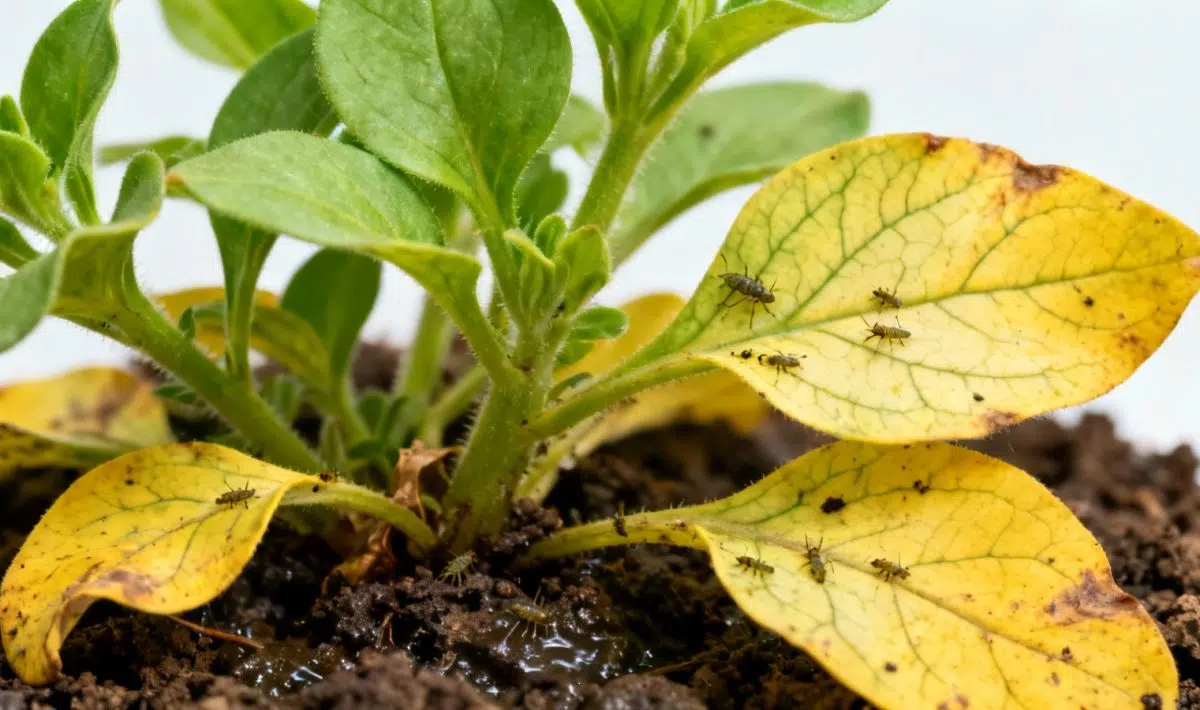
When you notice your beautiful petunia flowers developing yellow leaves, it’s natural to feel concerned about your garden’s health. This common issue affects many gardeners, but understanding the root causes can help you restore your petunias to their vibrant state. Yellow leaves on petunias typically signal stress from environmental factors, watering issues, or nutritional deficiencies that are entirely manageable with the right approach.
Understanding your petunia’s light requirements
Petunias are sun-loving flowers that thrive with at least six hours of direct sunlight daily. When your garden doesn’t provide adequate light exposure, the leaves gradually lose their green color and turn yellow as the plant struggles to photosynthesize effectively. This is one of the most common reasons for yellowing in petunia foliage.
However, too much intense sunlight can also cause stress. During extremely hot summer days, petunias may develop yellow leaves as a protective response to excessive heat. The key is finding that sweet spot where your flowers receive good morning sun but have some protection during the harshest afternoon hours.
✅ Quick Checklist
- Is the soil too wet or too dry?
- Is the plant getting 6+ hours of sunlight daily?
- Have you fertilized in the last 2 months?
- Are there visible pests under the leaves?
- Does the pot have adequate drainage?
Diagnose your plant in one click!
AI instant diagnosis • Personalized solutions • 50,000+ species
Watering mistakes that cause yellow petunia leaves
The way you water your petunias plays a crucial role in their leaf color and overall health. Both overwatering and underwatering can lead to yellowing leaves, making it essential to find the right balance for your garden conditions.
Overwatering is often the culprit when lower leaves turn yellow and feel soft or mushy. When petunias sit in waterlogged soil, their roots can’t access oxygen properly, leading to root rot and yellowing foliage. This problem is particularly common in heavy clay soils or containers without adequate drainage holes.
On the flip side, drought stress from insufficient watering causes leaves to yellow from the edges inward. During hot summer days, petunias need consistent moisture to maintain their vibrant color and healthy growth. The soil should feel slightly moist but never soggy to the touch.
For optimal results, water your petunias deeply but less frequently, allowing the top inch of soil to dry between waterings. Early morning is the best time to water, giving plants time to absorb moisture before the heat of the day.
Nutritional needs and fertilizer requirements
Yellow leaves often indicate that your petunias aren’t getting the nutrients they need for healthy growth. These flowering plants are heavy feeders that require regular fertilization throughout their growing season to maintain their vibrant color and abundant blooms.
Nitrogen deficiency is a primary cause of yellowing leaves, starting with older foliage at the bottom of the plant. When petunias don’t receive enough nitrogen, they redirect nutrients from older leaves to support new growth, causing the lower leaves to turn yellow and eventually drop.
Iron deficiency can also cause yellowing, but it typically affects younger leaves first, creating a pattern where leaf veins remain green while the areas between them turn yellow. This condition, called chlorosis, is more common in alkaline soils where iron becomes less available to plant roots.
Use a balanced fertilizer with equal parts nitrogen, phosphorus, and potassium every two weeks during the growing season. Look for formulations specifically designed for flowering plants, as these provide the right nutrient balance for healthy petunias.
Disease and pest issues affecting leaf color
Various diseases and pests can cause petunia leaves to turn yellow, often accompanied by other symptoms that help identify the specific problem. Fungal diseases are particularly common in humid conditions or when water sits on the foliage for extended periods.
Root rot, caused by overwatering or poor drainage, leads to yellowing leaves that start from the bottom of the plant and progress upward. The affected plants may also show stunted growth and wilting despite moist soil conditions.
Aphids and other small insects can cause yellowing by sucking plant juices from the leaves. Check the undersides of yellow leaves for tiny insects or sticky honeydew residue that indicates pest activity. These issues can spread quickly if not addressed promptly.
Similar yellowing patterns affect other garden plants, and understanding causes of yellow dahlia leaves can provide additional insights for your garden management. Additionally, reasons for yellow leaves on honeysuckle can help you identify broader patterns in your landscape.
✅ Quick Checklist
- Is the soil too wet or too dry?
- Is the plant getting 6+ hours of sunlight daily?
- Have you fertilized in the last 2 months?
- Are there visible pests under the leaves?
- Does the pot have adequate drainage?
Diagnose your plant in one click!
AI instant diagnosis • Personalized solutions • 50,000+ species
Prevention strategies for healthy petunias
Preventing yellow leaves is always easier than treating the problem after it develops. Start with good soil preparation by adding organic compost to improve drainage and nutrient content. This creates the ideal foundation for healthy root development and vigorous plant growth.
Choose the right location in your garden where petunias will receive morning sun and afternoon shade in extremely hot climates. Good air circulation around plants helps prevent fungal diseases that can cause leaf yellowing and other health issues.
Regular monitoring is key to catching problems early. Check your petunias weekly for signs of stress, pests, or disease, and address issues promptly before they become serious problems. Remove any yellowing leaves to prevent the spread of disease and encourage new growth.
Maintain consistent care routines throughout the growing season. This includes regular fertilization, appropriate watering schedules, and deadheading spent flowers to promote continuous blooming. With proper attention, your petunias will reward you with vibrant, healthy foliage and abundant flowers all season long.
Remember that some yellowing of older leaves is natural as plants age and redirect energy to new growth. The key is distinguishing between normal aging and problems that require intervention to keep your garden looking its best.

Allan is a lifelong gardening enthusiast who still gets excited when the first seedlings pop up in spring. With a deep love for nature and a hands-in-the-soil approach, he shares practical tips, plant discoveries, and clever tricks picked up over years of digging, planting, and observing. Whether you’re a new gardener or have a shed full of tools, Allan writes like a neighbor who’s always happy to swap cuttings and stories over the fence.
You can find more about Allan’s work on Malt or connect with him on LinkedIn.


