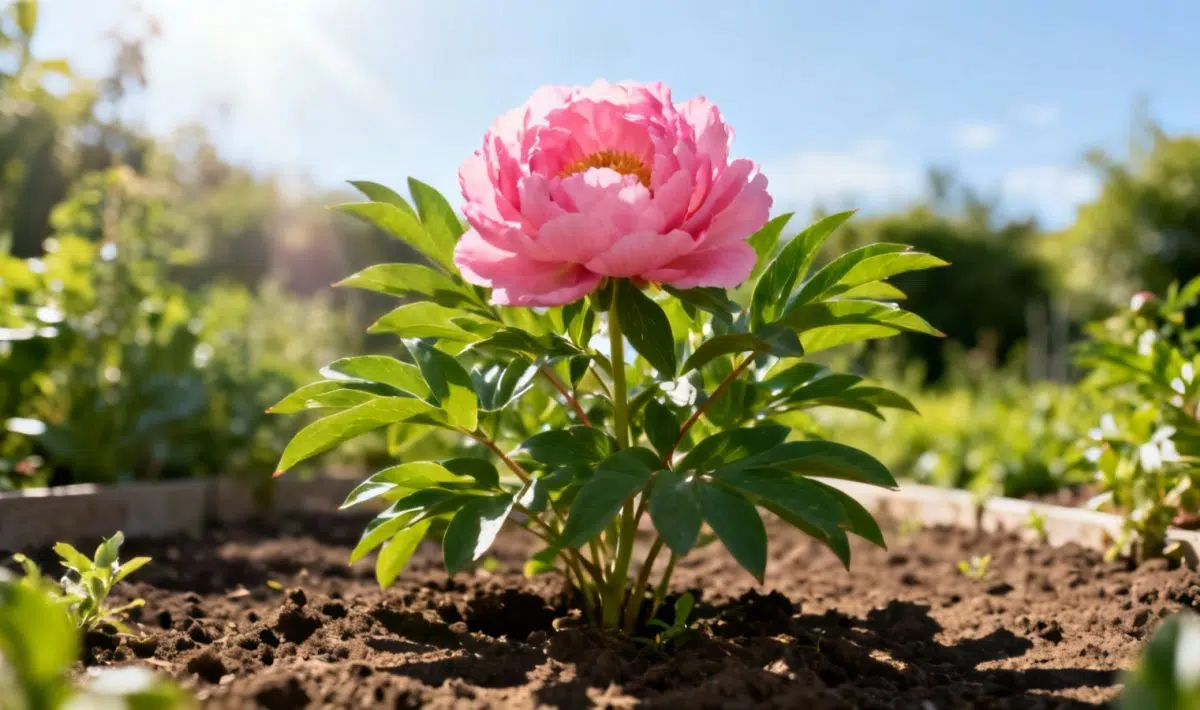
How much sunlight does common peony need for optimal growth and blooming
If you’re wondering how much sunlight does common peony need, you’re asking the right question for successful peony cultivation. These magnificent flowering plants have specific light requirements that directly impact their blooming potential and overall health. Getting the sunlight balance right makes the difference between sparse, weak flowers and abundant, vibrant blooms that will transform your garden into a spectacular display.
Common peonies are incredibly rewarding plants when given proper care, but they can be quite particular about their growing conditions. Understanding their sunlight needs is essential for any gardener looking to cultivate these stunning perennials successfully.
Essential sunlight requirements for common peonies
Common peonies need at least 6 hours of direct sunlight daily for optimal flowering and growth. This minimum exposure ensures robust stem development and abundant bloom production. However, the quality and timing of this sunlight matter just as much as the quantity.
Morning sunlight proves particularly beneficial for peony plants, as it helps dry moisture from leaves and prevents fungal diseases. Afternoon sun, while more intense, also contributes significantly to flower development. A location that receives full sun throughout most of the day will produce the most spectacular results with your peony seeds and established plants.
When peonies receive insufficient light, you’ll notice several telltale signs. The plants produce fewer flowers, stems become weak and may require staking, and the overall vigor of the plant diminishes considerably. Similar to how sunlight requirements for common borage are crucial for that herb’s development, peonies simply cannot reach their full potential without adequate light exposure.
Partial shade tolerance and limitations
While peonies can tolerate some partial shade, this significantly reduces their flowering capacity. In areas with only 4-5 hours of sunlight, expect fewer blooms and potentially longer stems that may flop over. The flowers they do produce might be smaller and less vibrant than those grown in full sun.
Interestingly, a bit of afternoon shade can actually help preserve flower petals during extremely hot weather. This slight protection extends the blooming period and maintains flower quality. However, this benefit only applies when the plant receives adequate morning and early afternoon sun.
Choosing the perfect garden location
Selecting the right spot in your garden requires considering multiple factors beyond just sunlight. West-facing locations often provide ideal conditions for peony cultivation, offering strong afternoon sun while protecting plants from harsh morning frost in cooler climates.
Proper air circulation around your peony plants helps prevent disease while ensuring they receive maximum light penetration. Avoid planting them too close to large shrubs or trees that might create unwanted shade as they mature. Just as optimal sunlight for catnip growth requires careful positioning, peonies benefit from strategic placement in your garden layout.
Wind protection is equally important as sunlight exposure. Strong winds can damage delicate peony stems and flowers, particularly when they’re heavy with blooms. A location with natural windbreaks like fences or distant trees provides ideal growing conditions without compromising light access.
Soil drainage and sunlight interaction
Well-draining soil becomes even more critical in sunny locations where peonies receive full exposure. Sunny spots tend to dry out faster, but they also warm the soil more effectively, promoting healthy root development. This combination of warmth and good drainage creates perfect conditions for peony roots to establish and thrive.
Heavy clay soils can be problematic in sunny locations, as they may either become waterlogged during rainy periods or extremely hard during dry spells. Amending such soil with organic matter improves both drainage and moisture retention, allowing your peonies to make the most of their sunny location.
Seasonal care in sunny garden spots
Spring care focuses on supporting new growth as peonies emerge from dormancy. In sunny locations, growth tends to be more vigorous, requiring adequate nutrition and consistent moisture. Apply a balanced fertilizer as shoots emerge, ensuring your plants have the energy needed for abundant flowering.
Summer maintenance in full-sun locations requires attention to watering schedules. While established peonies are relatively drought-tolerant, consistent moisture during budding and flowering stages produces the best results. Water deeply but infrequently to encourage deep root development.
Understanding seasonal sunlight patterns helps optimize peony care throughout the year. Much like cantaloupe’s sunlight needs for growth change with plant development, peony requirements vary with their flowering cycle and seasonal growth patterns.
Managing heat stress in sunny locations
Extremely hot climates may require some afternoon shade protection during peak summer months. Temporary shade cloth or strategically placed companion plants can provide relief without compromising overall light exposure. This protection helps extend flowering periods and maintains plant health during heat waves.
Mulching around peony plants becomes crucial in sunny locations to regulate soil temperature and moisture levels. A 2-3 inch layer of organic mulch helps maintain consistent soil conditions while suppressing weeds that compete for nutrients and water.
Selecting the right peony varieties for sunny gardens
Different peony varieties show varying tolerance to intense sunlight and heat. Herbaceous peonies generally handle full sun well, while tree peonies may benefit from slight afternoon protection in extremely hot climates. Researching specific varieties helps ensure success in your particular growing conditions.
When purchasing peony seeds or plants, look for varieties specifically recommended for your climate zone. Heat-tolerant cultivars perform better in southern gardens with intense summer sun, while cold-hardy types excel in northern regions with cooler temperatures but still need full sun exposure.
Popular varieties for sunny gardens include ‘Sarah Bernhardt’ with its fragrant pink blooms, ‘Karl Rosenfield’ featuring deep red flowers, and ‘Festiva Maxima’ known for its pure white petals with crimson flecks. These cultivars consistently perform well when given adequate sunlight and proper care.
Similar to how different crops have varying needs, such as ideal sunlight for onion cultivation, peony varieties each have their own specific preferences within the general requirement for full sun exposure.
Growing from seeds in sunny conditions
Starting peonies from seeds requires patience and proper sunlight management. Seeds need warm, bright conditions for germination, but seedlings benefit from protection during their first growing season. A sunny location with some midday shade works well for young peony plants.
Established plants from seeds typically take 3-5 years to reach flowering maturity. During this development period, consistent sunlight exposure helps build strong root systems and robust plant structure. Gradually increasing sun exposure as plants mature ensures they adapt well to full-sun conditions.
Common mistakes in peony placement
One frequent error involves planting peonies in locations that seem sunny initially but become shaded as nearby trees grow. Planning for future shade helps avoid transplanting established peonies, which they notoriously dislike. Always consider the mature size of surrounding plants when selecting locations.
Another common mistake is assuming all sunny spots are equally suitable. Areas that receive reflected heat from concrete or metal surfaces may be too intense even for sun-loving peonies. These super-heated locations can stress plants and reduce flowering quality despite abundant light.
Overcrowding peony plantings is also problematic in sunny gardens. While the abundant light might seem to support dense plantings, proper air circulation becomes even more important in full-sun locations to prevent disease and ensure each plant receives adequate light penetration.
Understanding how much sunlight does common peony need and implementing proper care practices will reward you with years of spectacular blooms. These magnificent plants thrive in sunny gardens when given proper attention to their specific requirements. With adequate sunlight, well-draining soil, and consistent care, your peonies will become the crowning glory of your garden display, producing abundant flowers that perfectly justify the care invested in their cultivation.
Allan is a lifelong gardening enthusiast who still gets excited when the first seedlings pop up in spring. With a deep love for nature and a hands-in-the-soil approach, he shares practical tips, plant discoveries, and clever tricks picked up over years of digging, planting, and observing. Whether you’re a new gardener or have a shed full of tools, Allan writes like a neighbor who’s always happy to swap cuttings and stories over the fence.
You can find more about Allan’s work on Malt or connect with him on LinkedIn.