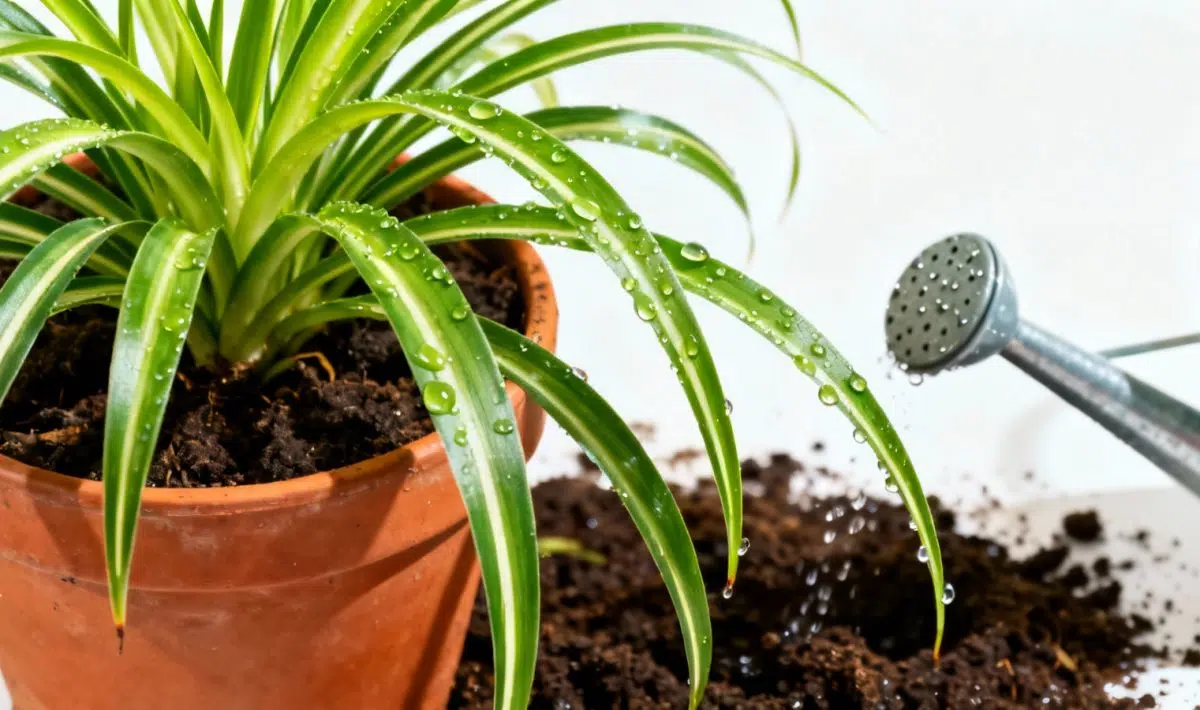
How often should you water your spider plant for healthy growth
Spider plants, scientifically known as Chlorophytum comosum, are among the most beloved houseplants for their easy-going nature and striking appearance. However, many plant enthusiasts wonder about the perfect watering schedule for these green beauties. The truth is, understanding how often should you water your spider plant depends on several factors that we’ll explore together in this friendly discussion.
Your spider plant has evolved with thick, fleshy roots that store water efficiently, making it quite drought-tolerant compared to other houseplants. These remarkable plants prefer their soil to dry out slightly between waterings, which means you don’t need to hover over them with a watering can daily. The key is finding that sweet spot where your plant gets enough moisture without becoming waterlogged.
Several factors influence how thirsty your spider plant becomes. The type of pot you’re using plays a significant role – terracotta pots dry out faster than plastic ones, while drainage holes are absolutely essential for preventing root rot. Light conditions also matter greatly, as plants in bright, indirect light will use more water than those in low light situations.
Temperature and humidity levels in your home create another layer of complexity. During winter months when heating systems run constantly, the air becomes drier and your plant may need more frequent watering. Conversely, in naturally humid environments, you can extend the time between waterings.
Seasonal watering schedules that work
Spring and summer represent the growing season for your spider plant, when it’s actively producing new leaves and those charming plantlets we all love. During these warmer months, you’ll typically need to water every 7-10 days, though this can vary based on your specific conditions. The plant is working hard to grow, so it naturally uses more water.
Watch for signs that your plant is ready for a drink during the growing season. The top two inches of soil should feel dry to your touch, and you might notice the leaves looking slightly less perky than usual. However, don’t wait until the plant is completely stressed – consistency is key for healthy growth.
Fall and winter bring a different rhythm to plant care, as growth slows significantly during these cooler, darker months. You can reduce watering frequency to every 10-14 days, sometimes even longer if your home is particularly cool. The plant enters a natural resting period, so overwatering during winter is one of the most common mistakes that can lead to problems.
Testing soil moisture like a pro
The finger test remains the most reliable method for checking when your spider plant needs water. Simply stick your index finger about two inches deep into the soil – if it feels dry at that depth, it’s time to water. This simple technique works better than any expensive gadget and helps you develop a real feel for your plant’s needs.
For those who prefer a more technical approach, soil moisture meters can provide precise readings of moisture levels throughout the pot. These tools are particularly helpful when you’re learning your plant’s patterns or if you have multiple plants with different watering schedules to manage.
Another visual cue comes from observing the soil surface itself. When the top layer starts to pull slightly away from the edges of the pot, this indicates it’s drying out and approaching watering time. Just like understanding optimal watering for hedge bindweed, each plant species has its unique signals.
Watering techniques for optimal results
When you do water your spider plant, aim for room temperature water rather than cold water straight from the tap. Cold water can shock the roots and potentially slow growth, while room temperature water feels more natural to the plant. If you use tap water, letting it sit out overnight allows chlorine to evaporate, which is gentler on your plant.
Water thoroughly until you see excess water draining from the bottom holes, ensuring the entire root system gets moisture. This deep watering encourages strong root development and prevents dry pockets in the soil. Always empty the drainage tray after about 30 minutes to prevent the plant from sitting in standing water.
Many spider plant owners find success with bottom watering occasionally, where you place the pot in a tray of water and let the plant absorb moisture from below. This method ensures even moisture distribution and can be particularly effective for plants that have become very dry.
Avoiding common watering mistakes
Overwatering ranks as the number one killer of spider plants, causing yellowing leaves, musty odors, and eventual root rot. Signs of overwatering include consistently soggy soil, fungus gnats hovering around your plant, and leaves that turn yellow from the base upward. If you notice these symptoms, immediately reduce watering frequency and check the roots for any black, mushy areas.
On the flip side, severe underwatering shows up as brown, crispy leaf tips and leaves that become pale or lose their vibrant green color. While spider plants tolerate drought better than excess moisture, they still need consistent care to thrive and produce those attractive baby plants we all hope for.
The placement of your spider plant significantly impacts its water requirements. Plants near south-facing windows in bright light will naturally use more water than those in lower light conditions. However, be careful not to place your plant in direct sunlight, as this can scorch the leaves and create uneven water demands.
Heating and cooling systems create microclimates in your home that affect moisture levels. Plants near heat sources or air conditioning vents may need more frequent watering due to increased air circulation and temperature fluctuations. Consider these factors when establishing your watering routine.
Humidity plays a crucial role in your plant’s water needs as well. In dry climates or during winter months with forced air heating, your spider plant may appreciate occasional misting or a humidity tray filled with pebbles and water. This extra humidity can reduce the plant’s overall water stress and promote healthier growth.
Signs of a healthy watering routine
When you’ve found the right watering rhythm, your spider plant will reward you with steady growth, vibrant green foliage, and eventually those charming plantlets that make the species so popular. The leaves should feel firm and stand upright, with consistent coloring throughout.
A well-watered spider plant often produces more of those distinctive arching stems with baby plants, which you can propagate to create new plants for friends or other rooms in your home. These plantlets indicate that your plant is happy and thriving under your care.
If your spider plant isn’t responding well despite your best efforts, consider whether the soil itself might be the problem. Old, compacted soil can repel water or retain too much moisture, creating problems regardless of your watering frequency. Repotting with fresh, well-draining potting mix every 2-3 years keeps your plant healthy and responsive to proper watering.
Sometimes what appears to be a watering problem is actually related to water quality. If your tap water is heavily chlorinated or has high mineral content, consider using filtered water or rainwater when possible. Spider plants can be sensitive to chemicals and mineral buildup over time.
Remember that developing expertise with spider plant care, much like understanding best practices for creeping thistle, takes time and observation. Each plant is unique, and environmental factors in your specific home will influence the perfect watering schedule.
With patience and consistent observation, you’ll develop an intuitive sense for when your spider plant needs water. These resilient, friendly plants are forgiving of occasional mistakes and will thrive under your attentive care, becoming long-term companions that bring life and beauty to your indoor space.
Allan is a lifelong gardening enthusiast who still gets excited when the first seedlings pop up in spring. With a deep love for nature and a hands-in-the-soil approach, he shares practical tips, plant discoveries, and clever tricks picked up over years of digging, planting, and observing. Whether you’re a new gardener or have a shed full of tools, Allan writes like a neighbor who’s always happy to swap cuttings and stories over the fence.
You can find more about Allan’s work on Malt or connect with him on LinkedIn.