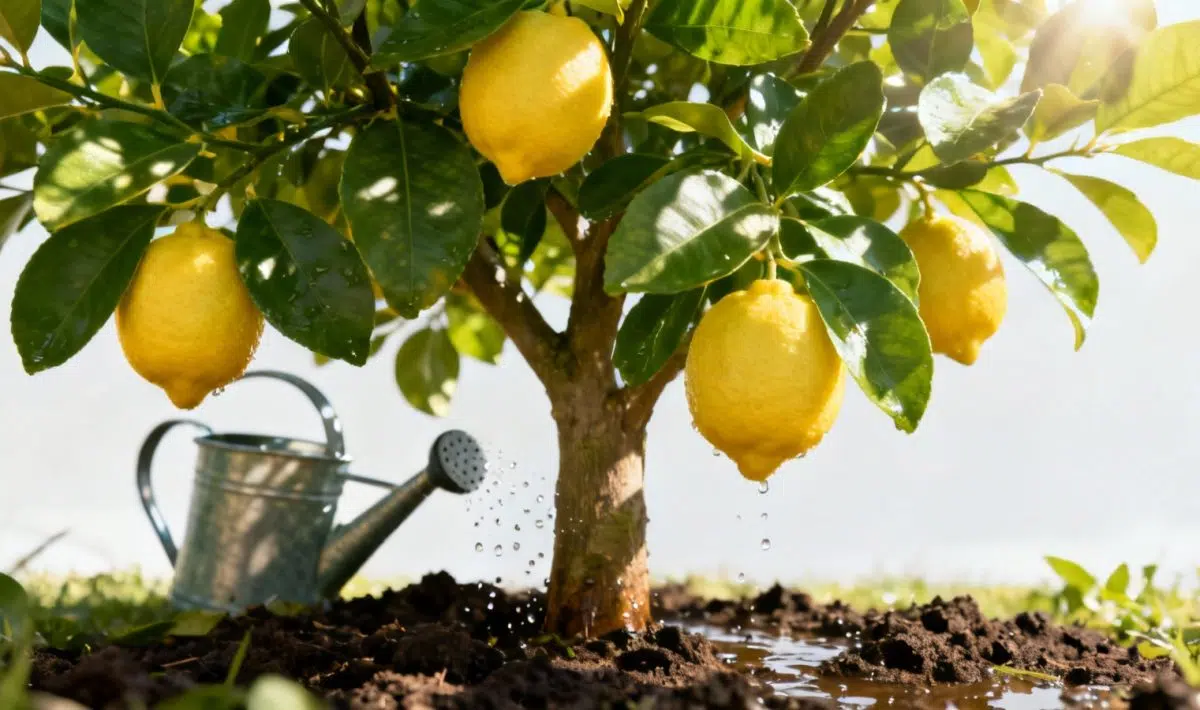
How often should you water your lemon tree for healthy growth
Growing a healthy lemon tree starts with understanding its water needs. Whether you’re nurturing a potted citrus indoors or tending to one planted in your garden, getting the watering schedule right can make the difference between a thriving tree and a struggling one. The key lies in finding that sweet spot between keeping your lemon tree well-hydrated and avoiding the dreaded waterlogged roots.
Understanding your lemon tree’s water requirements
Lemon trees are surprisingly particular about their water needs. Unlike many other plants that can tolerate occasional drought, these citrus beauties require consistent moisture to produce those juicy fruits we all love. However, they’re equally sensitive to overwatering, which can lead to root rot and other serious problems.
The amount of water your tree needs depends on several factors. Size matters quite a bit – a young sapling will drink far less than a mature, fruit-bearing tree. Climate plays a huge role too, with hot, dry conditions demanding more frequent watering than cooler, humid environments. Similarly, the type of soil you’re working with affects how quickly water drains away from the roots.
Just as you might care for optimal care for your apple tree, lemon trees benefit from a thoughtful approach to hydration. The goal is maintaining consistent soil moisture without creating soggy conditions that harm the root system.
How often should you water your lemon tree throughout the year
During spring and summer, when your lemon tree is actively growing and potentially fruiting, you’ll need to water more frequently. For potted trees, this typically means checking the soil every few days and watering when the top inch feels dry. In hot weather, this might translate to daily watering sessions, especially for smaller containers that dry out quickly.
Trees planted in the ground have more forgiving watering schedules. Generally, a deep watering once or twice per week during warm months will keep them happy. The trick is to water thoroughly, allowing the moisture to penetrate deep into the soil where the roots can access it.
Winter brings a significant shift in watering needs. As temperatures drop and growth slows, your lemon tree will require much less water. Reduce watering frequency to once per week or even less, depending on your climate. Indoor trees particularly benefit from this reduced schedule, as they’re not dealing with strong sun and wind that increase water loss.
Seasonal watering adjustments
Spring marks the beginning of active growth for your lemon tree. As new leaves emerge and flower buds develop, gradually increase your watering frequency. This is when establishing a consistent routine really pays off, setting your tree up for a productive growing season.
Summer demands your closest attention to watering. Hot days can quickly stress a thirsty lemon tree, leading to leaf drop and poor fruit development. Morning watering works best, giving the tree time to absorb moisture before the heat peaks. Evening watering is acceptable too, but avoid midday sessions that can shock the roots.
Recognizing when your lemon tree needs water
Learning to read your tree’s signals is invaluable for proper care. Wilting leaves are an obvious sign of thirst, but by the time you notice this, your tree is already stressed. Instead, check the soil regularly by inserting your finger about two inches deep. If it feels dry at this depth, it’s time to water.
Yellow leaves can indicate both under-watering and over-watering, so context matters. If the soil is bone dry and leaves are yellowing from the bottom up, your tree needs more water. However, if the soil feels soggy and leaves are turning yellow throughout the tree, you might be watering too much.
Fruit development also provides clues about water needs. Small, poorly formed lemons often indicate inconsistent watering. Just as proper watering for cherry plum trees affects fruit quality, maintaining steady moisture levels helps lemon trees produce fuller, juicier fruits.
Tools for monitoring soil moisture
A simple moisture meter can take the guesswork out of watering decisions. These inexpensive tools provide accurate readings of soil moisture levels, helping you avoid both drought stress and overwatering. For those who prefer low-tech solutions, the finger test remains reliable – just stick your finger into the soil and feel for moisture.
Observing the tree itself is equally important. Healthy lemon trees have firm, glossy leaves that stand proudly from the branches. Drooping or curling leaves suggest water stress, while overly soft, dark green foliage might indicate too much moisture.
Proper watering techniques for lemon trees
How you water matters as much as when you water. Deep, thorough watering encourages roots to grow downward, creating a stronger, more drought-resistant tree. Shallow, frequent watering does the opposite, keeping roots near the surface where they’re vulnerable to heat and dry conditions.
For potted trees, water slowly until you see it draining from the bottom holes. This ensures the entire root ball gets moistened, not just the top layer of soil. Allow excess water to drain completely – never let your lemon tree sit in standing water.
Ground-planted trees benefit from slow, deep watering sessions. A soaker hose or drip irrigation system works wonderfully, delivering water directly to the root zone without wasting moisture to evaporation. If hand-watering, create a shallow basin around the tree to contain water and encourage deep penetration.
Container versus ground planting considerations
Potted lemon trees dry out much faster than their ground-planted cousins. The confined root space and increased exposure to air means more frequent attention is necessary. However, this also means you have more control over soil conditions and drainage.
Choose containers with adequate drainage holes and use well-draining potting mix specifically formulated for citrus trees. Regular feeding becomes even more important for container plants, as frequent watering leaches nutrients from the soil more quickly.
For garden enthusiasts growing various crops, understanding that different plants have unique needs is crucial. For instance, keeping your lettuce well-hydrated requires a completely different approach than caring for woody citrus trees.
Common watering mistakes to avoid
Overwatering kills more lemon trees than drought does. Root rot, fungal diseases, and nutrient deficiencies all stem from consistently soggy soil conditions. If you’re unsure whether to water or not, err on the side of caution and wait another day or two.
Inconsistent watering creates unnecessary stress for your tree. Try to maintain a regular schedule, adjusting frequency based on weather conditions rather than completely abandoning routine. Your lemon tree will reward this consistency with healthier growth and better fruit production.
Using poor quality water can also harm your tree over time. If your tap water is heavily chlorinated or has high mineral content, consider using filtered water or letting tap water sit overnight before using it. Rainwater, when available, provides the ideal hydration for citrus trees.
Drainage and soil preparation
Good drainage is non-negotiable for healthy lemon trees. Heavy, clay-rich soils hold too much water and can suffocate roots. Improve drainage by adding compost, perlite, or coarse sand to create a lighter, more porous growing medium.
For potted trees, ensure your container has multiple drainage holes and consider adding a layer of gravel at the bottom. This prevents soil from blocking drainage holes and creates space for excess water to collect safely away from the roots.
Much like caring for other flowering plants such as watering your rose of sharon effectively, success with lemon trees comes from understanding their specific needs and responding accordingly. With proper attention to watering frequency, technique, and soil conditions, your lemon tree will thrive and provide you with fragrant blossoms and delicious fruit for years to come.
Remember that every tree is unique, and local climate conditions will influence your specific watering schedule. Start with these general guidelines, then adjust based on your observations and your tree’s response. With time and attention, you’ll develop an intuitive sense for when your lemon tree needs water, ensuring it stays healthy and productive throughout its life.
Allan is a lifelong gardening enthusiast who still gets excited when the first seedlings pop up in spring. With a deep love for nature and a hands-in-the-soil approach, he shares practical tips, plant discoveries, and clever tricks picked up over years of digging, planting, and observing. Whether you’re a new gardener or have a shed full of tools, Allan writes like a neighbor who’s always happy to swap cuttings and stories over the fence.
You can find more about Allan’s work on Malt or connect with him on LinkedIn.