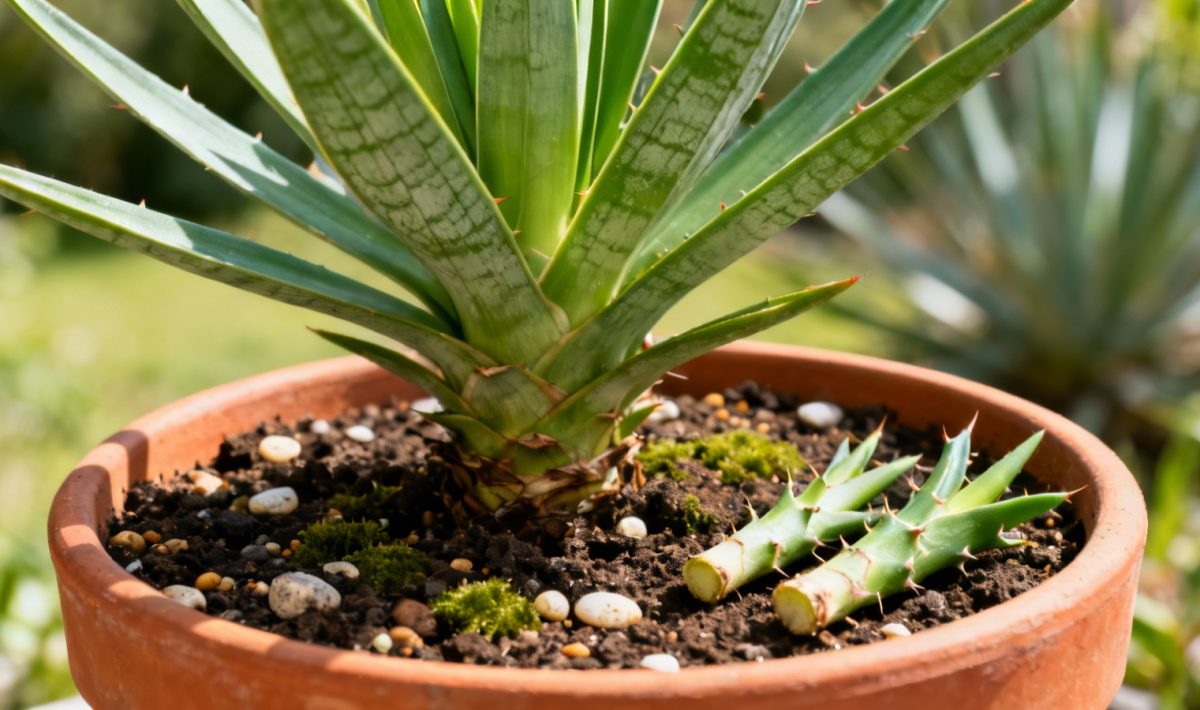
Today I’m excited to share everything you need to know about caring for the remarkable Yucca gigantea, commonly known as the spineless yucca or elephant foot yucca. This stunning plant has captured hearts worldwide with its distinctive thick trunk and graceful sword-like feuilles that create an impressive architectural presence in any space.
The Yucca gigantea stands out among tropical plantes for its incredible resilience and unique growth pattern. Unlike many exotic varieties, this plant develops a distinctive swollen base that resembles an elephant’s foot, giving it remarkable character as it matures. The feuilles emerge in elegant rosettes from the crown, creating a sculptural silhouette that works beautifully both indoors and in outdoor culture.
What makes this yucca particularly appealing is its spineless nature, making it safe for households with children and pets. The plant originates from the highland regions of Central America, where it has adapted to survive in challenging conditions with minimal water and intense lumière.
Essential care requirements for healthy growth
Successfully growing a Yucca gigantea starts with understanding its fundamental needs. This plante thrives in bright, direct lumière and requires at least three to four hours of soleil daily for optimal croissance. When grown intérieur, position your yucca near a south-facing window where it can receive maximum light exposure.
The sol composition plays a crucial role in plant health. Your yucca needs well-draining terreau that prevents water from sitting around the racines. A mixture of regular potting soil, sable, and compost creates the perfect environment. The key is ensuring excess water can escape quickly, preventing root rot that commonly affects plantes in heavy soils.
Temperature tolerance is another strength of this remarkable plant. It handles temperatures ranging from 5°C in hiver to 30°C during summer months. However, if you’re growing it intérieur, maintain consistent temperatures between 18-24°C for best results. Much like when you learn about Pontic rhododendron cultivation, understanding temperature needs is essential for success.
Watering and moisture management
Proper arrosage technique separates successful yucca growers from those who struggle with plant health. These plantes have evolved to handle sécheresse conditions, so overwatering poses a greater threat than underwatering. During the growing saison (printemps through early fall), water deeply but infrequently, allowing the sol to dry completely between waterings.
In hiver, reduce watering frequency significantly as the plant enters a dormant phase. Check the sol moisture by inserting your finger about 5 centimeters deep – if it feels dry, it’s time to water. This approach mimics the natural climat patterns these plantes experience in their native habitat.
Signs of proper hydration include firm, upright feuilles with vibrant color. Overwatered yuccas develop yellowing leaves and soft spots, while underwatered specimens show wrinkled or drooping foliage.
Soil preparation and pot selection
Creating the ideal growing environment begins with selecting the right pot and preparing appropriate sol. Choose a container with multiple drainage holes and consider unglazed terre cotta pots that allow moisture to evaporate through the walls. The pot should be only slightly larger than the root system, as yuccas prefer being somewhat root-bound.
For the growing medium, combine equal parts quality potting terreau, coarse sable, and perlite or pumice. This mixture ensures excellent drainage while providing sufficient nutrition for steady croissance. Some growers add a small amount of compost for extra nutrients, but avoid rich, moisture-retaining soils that can lead to problems.
When repotting, handle the racines gently and choose a pot only 2-3 centimeters larger in diameter than the previous one. This conservative approach prevents the sol from staying too wet and encourages healthy root development. Similar to how gardeners approach discover how to grow apricots, proper soil preparation sets the foundation for long-term success.
Light requirements and positioning
Lumière is perhaps the most critical factor for yucca health and proper croissance. These plantes absolutely need bright, direct soleil for several hours daily. Insufficient light leads to weak, elongated growth and pale feuilles that lose their characteristic robust appearance.
For intérieur culture, place your yucca in the brightest available location, typically a south or west-facing window. Rotate the pot weekly to ensure even light exposure on all sides. During darker months, consider supplementing with grow lights to maintain plant vigor.
Outdoor cultivation offers the best conditions for spectacular growth. Position your yucca where it receives morning and afternoon soleil while being protected from harsh winds. The plant can tolerate intense heat and bright light conditions that would stress many other plantes.
Propagation techniques and methods
Multiplying your Yucca gigantea collection is surprisingly straightforward using several proven propagation methods. The most reliable technique involves removing and rooting offsets that naturally develop around the base of mature plantes. These “pups” already have developing root systems and establish quickly when separated properly.
To propagate from offsets, carefully remove the pup with a clean, sharp knife, ensuring you get some racines attached. Allow the cut surface to dry for 24-48 hours before planting in well-draining sol. Keep the newly planted offset slightly moist but not wet, and place it in bright, indirect lumière until new croissance appears.
Stem cutting propagation offers another effective method, particularly useful when you want to reduce the height of an overgrown plant. Cut healthy stem sections 15-20 centimeters long, allow them to dry for several days, then plant in sandy terreau. This process requires patience, as root development can take several weeks. Just as with find tips for growing cucumbers, consistent care during propagation ensures better success rates.
Seed starting considerations
While seed propagation is possible, it requires considerable patience as yucca seeds can take months to germinate and years to develop into recognizable plantes. Fresh seeds offer the best germination rates, though they’re not always easy to obtain from indoor specimens that rarely flower.
If you choose seed propagation, soak seeds in warm water for 24 hours before planting in sterile, sandy sol. Maintain consistent moisture and temperatures around 24-27°C. Cover with plastic to create a humid environment, but ensure adequate ventilation to prevent mold development.
Common problems and solutions
Even with proper care, yucca growers occasionally encounter challenges that require quick identification and treatment. Root rot represents the most serious threat, typically caused by overwatering or poor drainage. Affected plantes develop soft, blackened racines and yellowing feuilles that eventually collapse.
To address root rot, immediately remove the plant from its pot and inspect the root system. Cut away any soft, dark racines with sterile tools, then repot in fresh, well-draining terreau. Reduce watering frequency and ensure the new pot has excellent drainage to prevent recurrence.
Scale insects and mealybugs occasionally target indoor yuccas, particularly when air circulation is poor. These pests appear as small, white cottony masses or brown bumps on feuilles and stems. Treatment involves wiping affected areas with rubbing alcohol and improving air circulation around the plante. Much like issues that arise when you explore oxeye daisy growing techniques, early detection makes treatment more effective.
Seasonal care adjustments
Understanding seasonal care requirements helps maintain optimal plant health throughout the year. During printemps and summer, increase watering frequency and consider light fertilization with a balanced, diluted fertilizer every 4-6 weeks. This supports active croissance and helps the plante build energy reserves.
As temperatures drop in fall, gradually reduce watering and eliminate fertilization. Winter care focuses on providing adequate lumière while avoiding overwatering. Cold windows can stress plantes, so consider moving them slightly away from glass during extreme weather.
For outdoor cultivation in temperate climates, protect your yucca from freezing temperatures by wrapping the trunk or moving containers to sheltered locations. However, some cold exposure can actually benefit the plant by promoting dormancy and future flower production.
Advanced cultivation techniques
Experienced growers can enhance their yucca’s appearance and health through strategic pruning and training techniques. Removing dead or damaged feuilles keeps the plant looking tidy and prevents pest problems. Cut close to the trunk using clean, sharp tools to avoid leaving stubs that could harbor disease.
Trunk wounds from pruning or accidental damage should be allowed to dry and callus naturally. Avoid applying wound sealers or other treatments that can trap moisture and promote rot. The plant’s natural healing process is remarkably effective when given proper conditions.
For those interested in creating multi-headed specimens, you can encourage branching by cutting the main growing tip. This technique works best on mature plantes with thick trunks that can support multiple growth points. The process is similar to methods used when you understand Oriental arborvitae care, requiring timing and proper aftercare.
Container gardening considerations
Long-term container cultivation requires attention to several specific factors that ensure continued plant health and growth. Root-bound yuccas actually perform better than those in oversized pots, but eventually require repotting every 2-3 years to refresh the growing medium.
When selecting containers, prioritize drainage over aesthetics. Terra cotta pots work exceptionally well because they allow moisture evaporation through the walls and provide stable support for top-heavy plantes. Ensure your chosen pot can accommodate the eventual taille of both the root system and the above-ground growth.
Weight considerations become important as your yucca matures, particularly for intérieur specimens. Large plantes in heavy pots can become difficult to move, so consider this factor when selecting containers and positioning your plant initially.
Nutritional requirements and feeding
While Yucca gigantea tolerates poor soils in nature, controlled feeding can significantly improve growth and appearance in cultivation. These plantes respond well to balanced, slow-release fertilizers applied sparingly during the active growing season. Overfertilization can actually harm the plant by encouraging weak, rapid growth that’s susceptible to problems.
A diluted liquid fertilizer applied monthly during printemps and summer provides adequate nutrition without overwhelming the plant’s natural growth patterns. Look for fertilizers with equal amounts of nitrogen, phosphorus, and potassium, avoiding high-nitrogen formulations that can make feuilles too soft and prone to damage.
Organic options like diluted compost tea or fish emulsion work well for those preferring natural feeding methods. These gentle fertilizers provide nutrients while improving the sol structure and beneficial microorganism populations. This approach mirrors successful techniques used when you get insights on honey locust propagation, focusing on soil health for overall plant vigor.
Monitoring plant health and development
Regular observation helps identify potential problems before they become serious threats to your yucca’s health. Healthy plantes display firm, upright feuilles with consistent color and steady, though often slow, croissance during appropriate seasons. Changes in leaf color, texture, or growth patterns often signal environmental stress or care issues.
Document your plant’s development through photographs and notes about care practices. This record becomes invaluable for understanding what conditions produce the best results and helps identify patterns that lead to problems. Many successful growers maintain simple care logs that track watering dates, fertilization schedule, and environmental conditions.
The satisfaction of successfully cultivating a Yucca gigantea comes from understanding its unique requirements and providing consistent, appropriate care. With proper attention to lighting, drainage, and seasonal adjustments, your spineless yucca can thrive for decades, becoming an impressive focal point that showcases your gardening skills.
Allan is a lifelong gardening enthusiast who still gets excited when the first seedlings pop up in spring. With a deep love for nature and a hands-in-the-soil approach, he shares practical tips, plant discoveries, and clever tricks picked up over years of digging, planting, and observing. Whether you’re a new gardener or have a shed full of tools, Allan writes like a neighbor who’s always happy to swap cuttings and stories over the fence.
You can find more about Allan’s work on Malt or connect with him on LinkedIn.